

Emergency Rental Assistance Program (ERAP) Understand the Emergency Rental Assistance Program (ERAP), designed to aid low-income households facing challenges in meeting their rent or utility expenses due to financial difficulties. HUD’s New Rules for Section 8 Vouchers Learn about the…
USDA Rural Housing Loans – Champions of Affordable Living
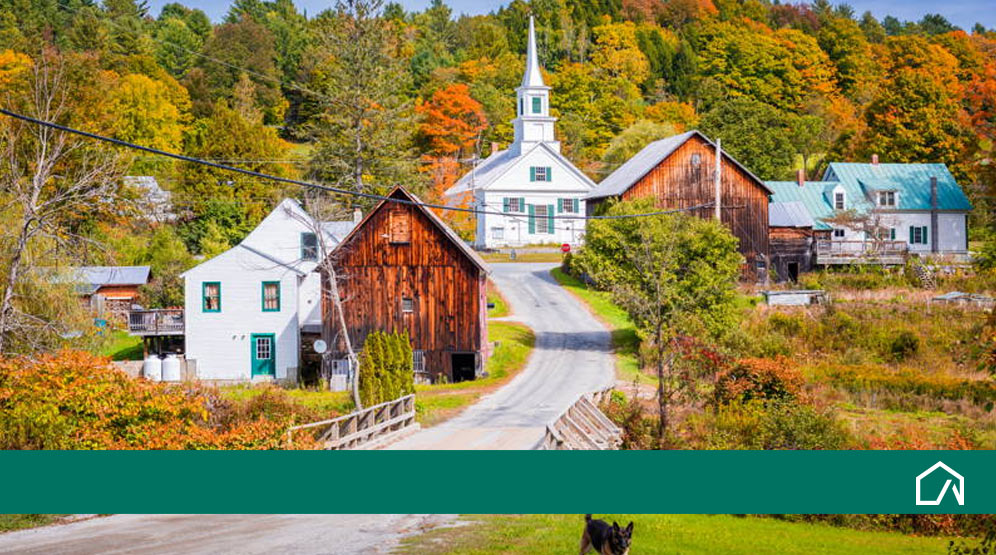
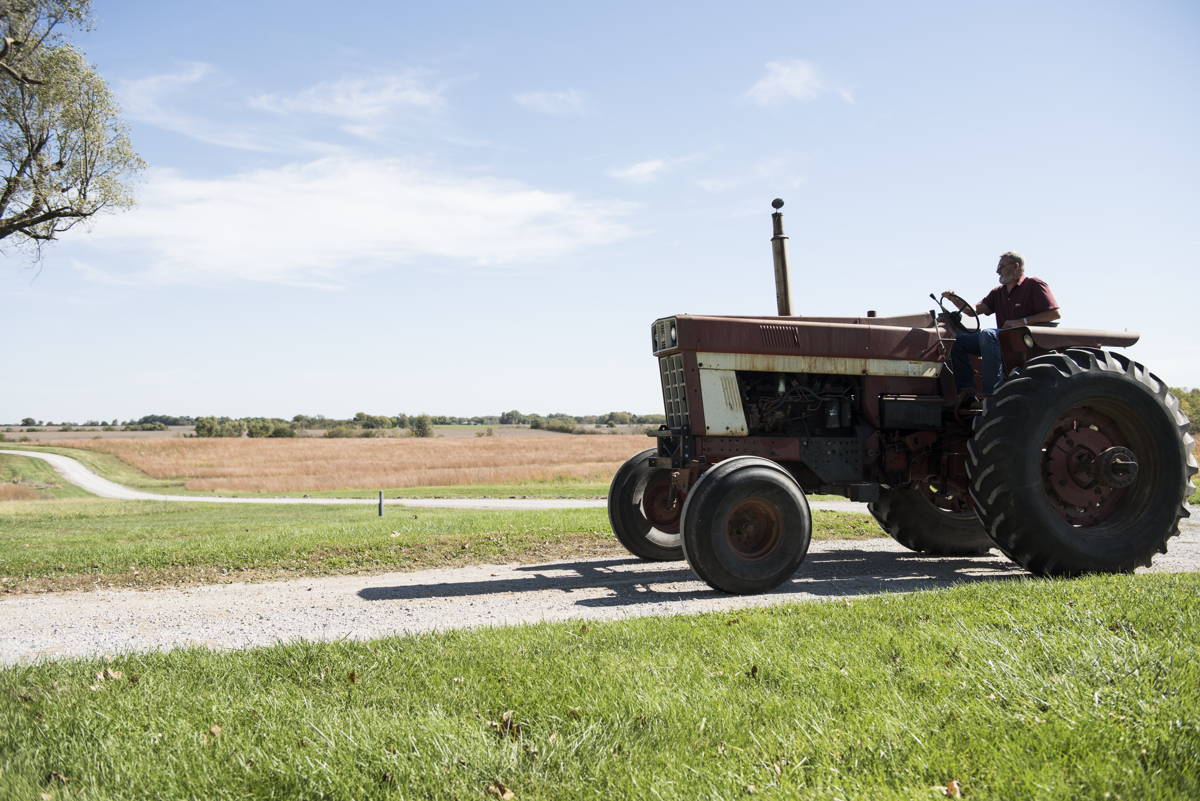
USDA rural housing loans, often referred to as Section 502, serve as mortgages designed for low-income citizens who may not have sufficient credit scores to secure a conventional mortgage. Notably, these loans require no down payment, and interest rates can start as low as 1%.
Properties acquired through these loans must be located in rural areas, which means they should be situated outside of bustling urban centers. In this article, we’ll discuss the three different types of USDA loans, aiming to assist you in identifying the option that best fits your needs.
Types of USDA Rural Housing Loans
Guaranteed USDA Loans
Guaranteed USDA loan lenders are private institutions, including mortgage companies or banks that collaborate with the USDA. These loans receive guarantees because the USDA insures a portion of your mortgage, safeguarding lenders against the risk of default, which encourages them to provide loans to individuals with limited income and minimal collateral.
How to Qualify for a Guaranteed USDA Loan
To be eligible for a guaranteed USDA loan, applicants need to meet the following criteria:
- Have a reliable income that is below the median income for the area.
- Be a U.S. citizen, U.S. non-citizen national, or a legal immigrant.
- Have never been debarred or suspended from participating in other federal programs.
- Maintain timely payment of credit obligations.
- The property must meet all program specifications.
- The property must serve as your principal residence.
How to Apply for a Guaranteed USDA Loan
The first step in applying for a Guaranteed USDA loan is to determine your desired location. Once you identify where you want to live, connect with a USDA-approved lender in that region. For a nationwide list of USDA-approved lenders, click HERE. Be prepared to submit the following documents:
- Proof of citizenship, permanent residency, non-citizen national, or qualified immigrant status.
- Evidence of financial obligations, such as bills.
- Credit score report (If lacking a credit history, introduce records of alternative credit such as utility and rental payment histories).
- The last 2 years of tax returns and pay stubs.
- Identification and social security number.
Direct USDA Loans
Direct USDA loans are funded directly by the USDA and serve as a suitable option for low-income individuals who may not qualify for other financing methods while looking to purchase a home. These loans can also be used for repairs, renovations, relocating a home, or even building a new one.
How to Qualify for a Direct USDA Loan
To be eligible for a Direct USDA loan, applicants must meet the following requirements:
- Be a U.S. citizen, U.S. non-citizen national, or a legal immigrant.
- Have no history of being debarred or suspended from federal programs.
- Not qualify for other loan options from different sources.
- Currently be residing without a safe, sanitary, and decent dwelling.
- The property must serve as your primary residence.
- The market value of the home must fall below the area’s specified loan limit, as determined by the USDA.
How to Apply for a Direct USDA Loan
To initiate an application for a Direct USDA loan, you will need to connect with your local USDA Rural Development office.
Each office may have different procedures and requirements for documents, so it’s essential to check with them. To find a list of USDA Rural Development offices by state, click here. When applying, have the following commonly requested documents readily available:
- Proof of citizenship, permanent residency, non-citizen national, or qualified immigrant status.
- Identification and social security number.
- Credit score report (If you do not have a credit history, be prepared to present documents showing alternate credit such as utility and rental payment histories).
USDA Home Improvement Loans
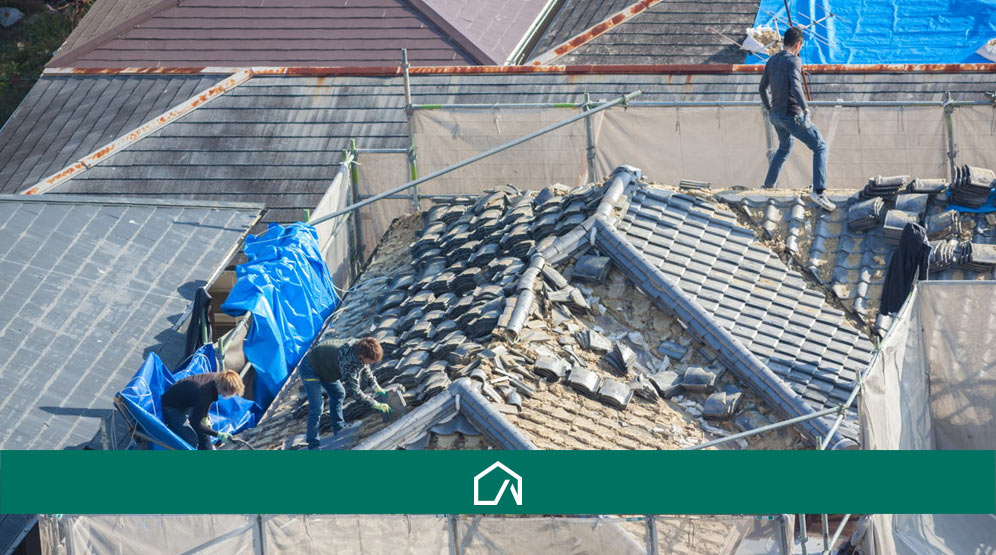
USDA home improvement loans and grants assist very low-income individuals in making enhancements or restorations to their homes. Grants are capped at a maximum of $7,500, while loans typically have a repayment period of 20 years.
If you can contribute towards the repair costs, you might qualify for a combination of a loan and grant.
How to Qualify for a USDA Home Improvement Loan or Grant
To qualify for a USDA home improvement loan or grant, applicants need to meet these requirements:
- Your family income must be below 50% of the median income for the area.
- Not qualify for financing from other sources.
- To be eligible for grants, you must be 62 years or older and unable to repay a loan intended for repairs.
How to Apply for a USDA Home Improvement Loan
To apply for a USDA home improvement loan or grant, you must contact your local USDA home loan specialist. The USDA provides a tool to help you find a specialist and gives specific information regarding the program in your state.
To access this tool, click here. Once on the page, simply select your state to find contact information and detailed program specifics.
Don't MissAffordable Housing Advocates FHEO and FHIPUp NextProtect Your Section 8 Benefits from Scams
Affordable Housing Champions: Inspiring Stories and Solutions

Insights from a Section 8 Landlord

Have you ever questioned what it truly takes for a landlord to approve a Section 8 application? You’re certainly not the only one. Many individuals utilizing housing vouchers are concerned about how to make a favorable impression and secure their…
The Critical Role of Medicaid and Medicare in Healthcare Access

When it comes to maintaining your health and shielding yourself from substantial medical expenses, Medicaid and Medicare are among the most vital programs available in the U.S. They offer assistance to individuals with limited financial means, ensuring access to necessary…