




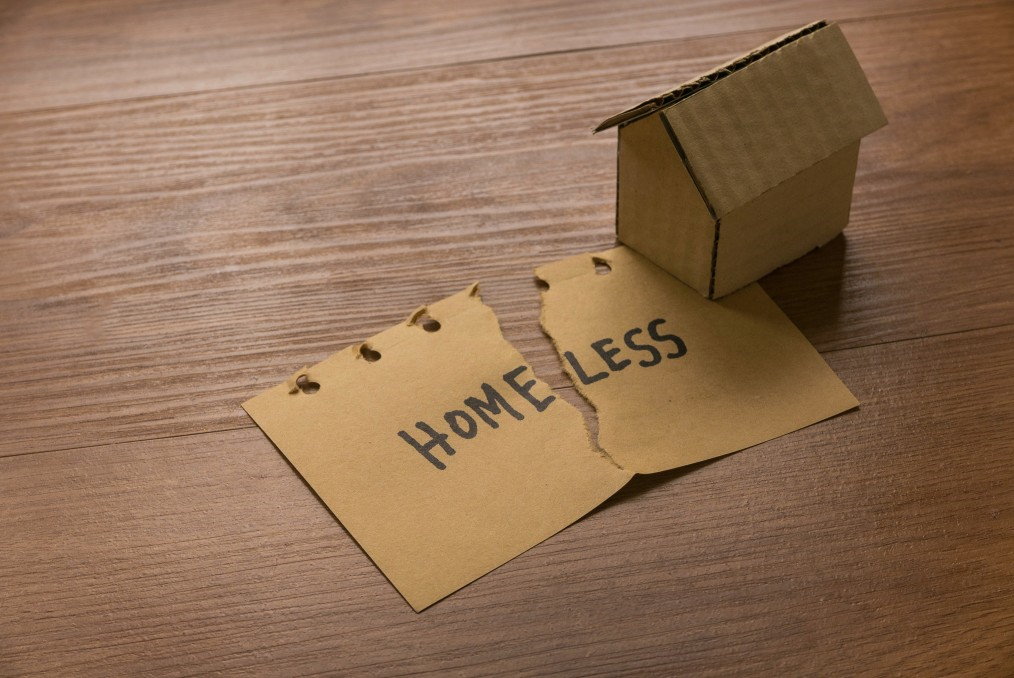

It's widely recognized that there is a shortage of housing supply in various regions across the United States. This situation has been deteriorating for several years and shows little sign of improvement. Even with skyrocketing demand, the supply simply isn’t…
Understanding the Rising Costs of Housing in the Affordable Housing Crisis

It’s widely accepted that access to housing is a fundamental human right, yet securing affordable housing is increasingly challenging for many, especially in the United States. Affordable housing is classified as such when it costs 30% or less of a household’s total income.
Research indicates that nearly half of the 47 million renters are allocating more than 30% of their household income to housing costs. This troubling trend calls for urgent intervention.
The United States is estimated to need about 3.8 million to 5.5 million housing units. It’s crucial that we increase the availability of homes for first-time buyers as well as low- to middle-income families, providing them with affordable financing solutions to improve their chances of homeownership. Addressing the affordable housing crisis is vital for the well-being of our communities.
The consequences of inadequate affordable housing are extensive and deeply impact local neighborhoods.
As I often share with my friends, families without stable housing are burdened with heightened stress related to healthcare, food security, retirement, transportation, and even social cohesion. This issue can contribute to increased traffic congestion and negative environmental effects near major employment centers.
Regions Most Affected by Affordable Housing Shortages
Indeed, the U.S. is grappling with a significant housing crisis, particularly in California, as highlighted in the Housing Underproduction in the U.S.. California faces a more pronounced affordable housing crisis than any other state, with home prices soaring well above the national average.
From my perspective, the housing shortfall in California is a result of decades of high population growth paired with restrictive building regulations. Regulatory frameworks, such as CEQA, further complicate the construction of new homes. For many years, this shortage has sparked significant discussion, prompting housing advocates and lawmakers to propose contentious initiatives like SB 9, which effectively eliminates single-family zoning.
Efforts to tackle the intricate challenges surrounding affordable housing, such as rental assistance, have historically been underfunded and delayed. Recently, the Biden administration unveiled the Housing Supply Action Plan, aimed at mitigating the rising costs of rent and the scarcity of affordable housing. This initiative focuses on a blend of short- and long-term investments targeted at enhancing housing supply, particularly for low- to middle-income households. The plan intends to achieve this by:
- Increasing the availability of affordable housing units in affluent neighborhoods.
- Expanding housing voucher subsidies to ensure more families receive necessary assistance.
- Strengthening renter protections to prevent loss of housing, as eviction poses a major threat to economic stability.
Factors Contributing to the Affordable Housing Crisis
In my view, the origins of the affordable housing crisis can be traced back to an era of extremely low interest rates and relaxed lending standards that led to an unsustainable housing price bubble in the U.S. and beyond.
What began with good intentions—responding to the dot-com bust, various corporate scandals, and the tragic events of September 11—eventually spiraled into a crisis. The Federal Reserve’s decision to lower the federal funds rate from 6.5% in May 2000 to 1% in June 2003 played a considerable role in this scenario, intended to stimulate the economy by making credit more accessible.
This situation escalated housing prices as numerous borrowers capitalized on the low mortgage rates. It also permitted individuals with little or no credit history to become homeowners, laying the groundwork for a substantial secondary market centered around subprime loans.
Note:
- The financial crisis of 2007-2009 was a gradual development, beginning with a drop in home prices in early 2006.
- Subprime lenders began filing for bankruptcy in early 2007.
- Significant hedge funds failed in June 2007, heavily affected by investments in subprime loans.
- In August 2007, losses from subprime loan investments sparked widespread panic, freezing the global lending market.
- September 2008 marked the collapse of Lehman Brothers, the largest bankruptcy in U.S. history.
The Decline of New Housing Supply Following the Great Recession
It’s evident that the housing supply took a sharp downturn after the Great Recession, which excluded many potential homebuyers from the market.
Consequently, many of these individuals turned to renting, consequently increasing demand and pressure on rental prices. This shift has often left low-income families facing more uncertain and unstable housing situations.
Following the 2007-2009 housing crisis, new housing construction rebounded slowly. The decline in housing supply was most pronounced at the tail end of the Great Recession.
Authorizations for both single-family and multifamily housing units (buildings with five or more units) plummeted during and after the housing market crash.
I recall that the years 2010 and 2011 saw an unprecedented lack of multifamily housing developments, registering a record low of just 30,000 units—the worst level since 1968. This dire shortage exacerbated an already critical housing deficit amid rising demand.
Who Holds Responsibility for the Great Recession?
The affordable housing crisis in the United States began long before the COVID-19 pandemic and became particularly acute during the Great Recession, which unfolded between 2007 and 2009.
The rising demand for housing amidst a stagnating supply of new units has significantly affected those on lower incomes, pushing many out of the housing market and increasing competition for rental properties.
Higher-income individuals can often afford to rent higher-cost housing if they choose not to purchase, leaving low-income renters to struggle over a limited number of available rental units.
In my opinion, a significant portion of the blame lies with lax mortgage lending practices that permitted many borrowers to take on mortgage obligations beyond their means. However, multiple parties share the responsibility, including:
- Predatory lenders who aggressively marketed homeownership to unqualified buyers.
- Investment professionals who purchased these substandard mortgages and made them available for resale.
- Agencies that inaccurately rated these mortgage bundles as safe investments.
- Buyers who neglected to consider the risks associated with their mortgage commitments.
- bundles and did not assess the ratings of the mortgage bundle.
What Fuels the Demand for Affordable Housing?
To address the housing supply crisis, we must also consider the factors driving demand. So, why are housing prices so high? Why do over 20 million renter households, particularly those with lower incomes, struggle with housing costs?
The root of the issue lies in the redistribution of wealth and income over the last four decades, which has eroded the middle class. Currently, a larger portion of total income is concentrated among higher-income households, while the share belonging to average and lower-income households is dwindling.
The data from Pew Research indicates that the proportion of American adults living in average-income households has fallen from 61% in 1971 to 51% in 2019. This income shift has also reduced the number of households capable of affording market-rate rents, exacerbating the affordable housing crisis, as highlighted by American Progress.
What Are the Solutions to the Affordable Housing Challenge?
Easing Condo Lending Restrictions
There is a historical low in the construction of condominiums, which represent a potential path for first-time buyers. The restrictions imposed by state, local, and federal agencies on condo lending present a significant hurdle for aspiring homeowners seeking a mortgage.
Reforming Local Policies
Transformative local policy changes are necessary, particularly in primary tax policies that have significantly contributed to wealth redistribution over the past 40 years. Additionally, existing land-use regulations have continued to limit the development of affordable housing units.
In the 2022 Budget Resolution, the Biden administration allocated considerable resources for housing initiatives. Most of these efforts are aimed at increasing housing supply by providing additional funding for both multifamily and single-family home development and preservation.
The creation of affordable housing units will be crucial, yet unless the Biden administration addresses regressive policies that perpetuate wealth disparities and reforms federal tax policies, the affordable housing crisis will endure.
Moreover, the administration must tackle local resistance to affordable housing initiatives by providing resources to help communities update zoning laws and eliminate construction barriers.
Prioritizing Existing Housing
We should consider focusing on existing housing that is either entirely or partially manufactured off-site and assembled on location. These prefabricated homes often represent a more cost-effective solution compared to traditional on-site construction.
Historically, approximately 240,000 manufactured homes were shipped annually prior to 1995, a number that has since dropped to under 100,000 per year. Furthermore, modular, panelized, and precut housing made up 7% of new single-family homes in the 1990s, decreasing to just 3% today.
However, enhancing production in these areas could potentially yield an additional 200,000 affordable housing units each year. Expanding zoning laws and introducing flexible building codes could further facilitate the growth of these manufactured homes.
Improving Access to Home Financing
Many communities across the nation lack access to affordable financial services, creating significant obstacles to homeownership.
During the COVID-19 pandemic, the disparity between white and Black mortgage applicants expanded dramatically. According to the 2019 Zillow report, Black applicants faced a 74% higher denial rate compared to their white counterparts.
This denotes that over 20% of Black Americans filing for a mortgage were denied in 2020, representing the highest denial rate for any demographic group. In contrast, only 10.7% of white applicants experienced similar outcomes that year. Thus, equitable financing is essential if we aim to tackle the affordable housing crisis.
Equity-centered financing can open pathways to homeownership, particularly for working families and communities of color that lack access to familial assistance or intergenerational wealth.
The Self-Help Federal Credit Union is a nonprofit initiative that strives to create economic opportunities for all, particularly among marginalized ethnic and racial groups, women, and rural residents. They facilitate loans to small businesses and nonprofits while providing responsible financial services, including transparently priced accounts.
This credit union has collaborative arrangements with the Keys to Equity program, which assists consumers in obtaining permitting, designs, construction, and financing for building accessory housing units on their properties.
Protecting Renters Facing Eviction Challenges
It’s essential to recognize that many tenants may fall behind on rent due to rising costs and other substantial expenses, including health care and child care. Therefore, enhancing overall security for renters is critical.
These renters require protections to ensure housing stability while they regain their footing. Housing authorities can implement various tenant protection strategies to complement the benefits of additional affordable housing units, which may include:
- Increasing tenant protections to guarantee housing stability not just during a pandemic, but also amid economic downturns.
- Providing households facing eviction with access to legal counsel to effectively counter eviction proceedings and mitigate homelessness.
- Eliminating barriers to future housing by removing eviction records from credit reports and public records, allowing individuals who’ve faced eviction to regain their footing. The stigma associated with eviction can adversely affect struggling families, curtailing their housing options. Once an eviction is halted, landlords will no longer have a basis to deny applications based on prior eviction history.
Empowering Borrowers
Ultimately, it is my belief that none of these proposed solutions will effectively enhance affordable and stable homeownership without empowering families through improved financing options.
Securing mortgage credit has become increasingly challenging since the Great Recession, particularly for those purchasing a home for the first time.
Local, state, and federally-sponsored agencies must take measures to simplify financing requirements for borrowers across the board. One effective method is to encourage more small balance mortgages, particularly those below $100,000, by implementing streamlined processes, providing underwriting flexibility, and offering reduced fees and costs. These changes will significantly benefit low and moderate-income families aspiring to buy modest homes.
It’s essential to provide down payment assistance, particularly for first-generation homebuyers. This support will help many low-income families take their crucial first steps toward home ownership.
Research indicates that millions of renters, alongside low and average-income families and individuals from diverse backgrounds, fulfill the criteria to obtain a mortgage. These individuals are doing their utmost to prepare for homeownership. Therefore, housing authorities need to play their part by making homes available for purchase and ensuring that reliable financing options are accessible.
Conclusion
The ongoing housing shortage is a pressing issue; estimates suggest there is roughly a 6 million-unit shortfall in rental properties for low and average-income families, alongside a deficiency of about 4 million single-family homes.
Addressing the affordable housing crisis is no straightforward task. As it stands, the availability of affordable rental homes will continue to be limited, and renters will confront soaring and persistent costs.
However, policymakers must be equipped with the necessary tools and resources to enhance the availability of affordable rental units, alongside improved financial protections for renters. Modifying existing policies could significantly strengthen current programs through the infusion of much-needed capital.
At both the state and local levels, it is vital to implement policies aimed at reducing avoidable evictions. One effective approach is to expand landlord-tenant community courts and foster better collaboration with social service providers, which can help prevent the costly repercussions of eviction.
In my view, the challenges related to affordable housing require thorough analysis and should be tackled through federal policies aimed at narrowing the wealth gap between the affluent and less fortunate, while also placing more financial resources in the hands of prospective renters, enabling them to afford the housing they need.
Will 2023 Solve the Housing Supply Crisis?

Champions of Sustainable Affordable Housing

The severe shortage of affordable housing is particularly affecting many low-income families across the nation. The challenge is that this situation perpetuates a cycle, exacerbated by inadequately designed and poorly insulated homes equipped with outdated plumbing systems. It has been…
The Reasons Behind Millennials’ Reluctance to Purchase Homes

Recent statistics indicate that millennials are purchasing homes at a significantly lower rate compared to previous generations. Instead, many are choosing to rent, live in apartments, or reside with family members. It's easy to stereotype millennials as lazy or lacking…