


If you've ever applied for HUD housing or know someone who has, you've likely heard how challenging it can be to secure approval. However, the process involves more than just enduring lengthy wait times. Discrimination poses a significant barrier in…
Understanding Permanent Supportive Housing
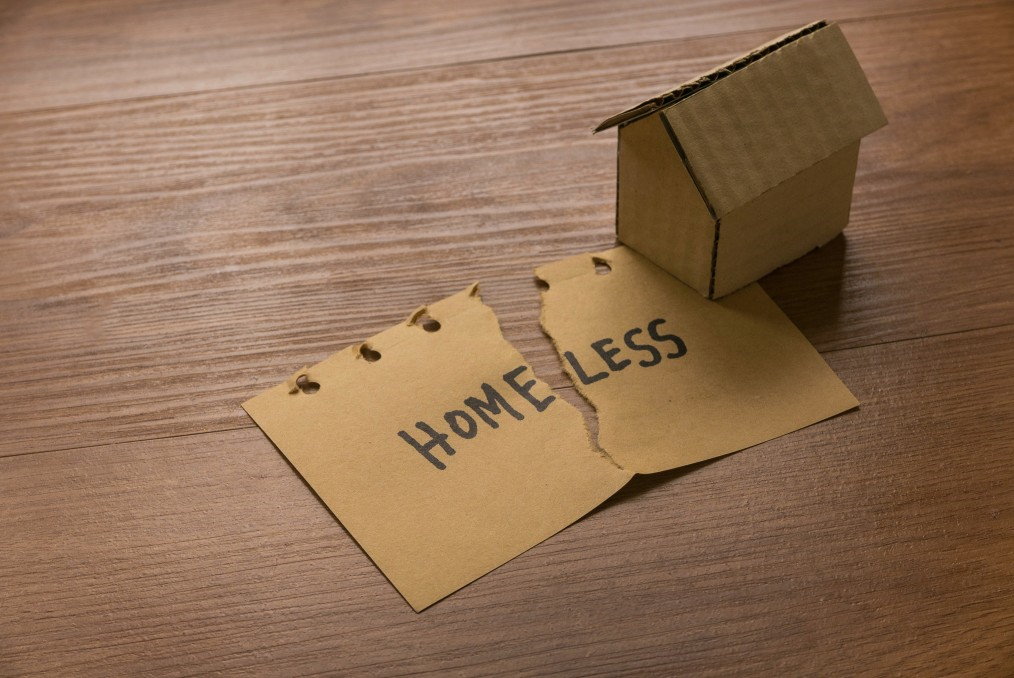
The demand for permanent supportive housing (PSH) is increasing to address the needs of homeless individuals. Research has shown that this type of housing can provide significant advantages to those experiencing homelessness.
Permanent supportive housing is a subsidized housing model. It offers long-term, affordable living spaces along with support services for individuals with disabilities or other special requirements who are either homeless or at risk of becoming homeless.
This kind of permanent supportive shelter plays a vital role in disrupting the cycle of homelessness by offering stable, affordable homes to those in need.
PSH programs deliver ongoing rental assistance and on-site social services to qualifying households, which include rehabilitation counseling, health care referrals, job training opportunities, and educational classes.
With daily access to these support services, those who were previously homeless are more likely to secure employment and maintain stable housing over the long term.
What Permanent Supportive Housing Is Not:
- Transient, meaning residents are not expected to move out after a specific period. Many individuals have experienced homelessness for extended durations and may struggle in other housing arrangements. Thus, this PSH model does not impose an end date or a transition plan to a different housing type.
- Permanent supportive housing is not a shelter. Residents retain their home and are expected to continue paying rent, just like any other tenant would.
How Does Permanent Supportive Housing Work?
Since 2013, PSH programs have reached roughly 100,000 individuals. In this setup, tenants receive rental assistance along with access to social services from a dedicated team that aids them in addressing medical, psychiatric, or substance abuse challenges.
In certain programs, tenants may first pay rent directly to the city, after which cash assistance is utilized to reimburse the city. The tenant is typically responsible for contributing 30% of their income toward rent.
The most frequently used model is scattered-site housing, allowing tenants to reside in private apartments throughout the community.
A more recent model that has gained traction is single room occupancy (SRO). This involves renting individual rooms with shared kitchens and bathrooms, enabling individuals or couples to access communal areas for social interaction.
Permanent Supportive Housing Application
Permanent supportive housing is a resource for individuals with disabilities and veterans. Its primary aim is to assist individuals in living independently, fostering self-sufficiency, and securing employment.
However, permanent supportive housing may not be suitable for everyone. Applicants undergo screening and assessment prior to acceptance into the program.
To qualify for this program, you must meet the following criteria:
- You must be experiencing a physical or mental condition that hampers your ability to work.
- You need to demonstrate a low income.
- Your health issues must have led you to poverty, if not already impoverished.
- You must be homeless or at imminent risk of homelessness within 30 days.
- You must be managing addiction issues.
Those recommended for this program are typically individuals who have family or friends nearby who can provide support after their move into permanent supportive housing.
Successful applicants will be expected to adhere to good tenant practices in their new home. They will also gain access to healthcare, treatment, and additional essential services.
Individuals accepted into the permanent supportive housing program will generally be expected to contribute 30% of their monthly income for rent.
If applicants cannot pay any amount initially, they may still be accepted, but they must commit to finding a way to cover rent after 90 days.
Applicants have the flexibility to choose their living arrangements and roommates.
Those receiving permanent supportive housing vouchers are given 18 months to secure housing before the voucher expires.
What Is a CoC Voucher?
A Continuum of Care (CoC) voucher serves as a permanent rental subsidy to help low-income adults and families facing chronic homelessness to , particularly those receiving services from the Mental Health Division of DPH.
The CoC voucher program also offers supportive services, including case management, behavioral health and healthcare access, medication support, life skills training, and job assistance.
CoC Eligibility Requirements
To be eligible for CoC vouchers, individuals must qualify as low-income adults with disabilities experiencing chronic homelessness.
- Applicants must be homeless or at imminent risk of homelessness, as defined by HUD’s CoCs. Individuals must not have certain criminal convictions that disqualify them from permanent housing.
- Those deemed ineligible for CoC vouchers might still qualify for the general VASH (Voucher Assisted Stable Housing) vouchers through the Department of Public Social Services.
Effectiveness of Permanent Supportive Housing
The model of permanent supportive housing combines affordable living arrangements with essential support services to promote independent living.
Permanent supportive housing may include various services such as case management, mental health or addiction counseling, life skills training, medical treatment, benefits advocacy, employment support, and other necessary services.
The objective is to facilitate a shift for previously homeless individuals into permanent housing while ensuring they can access the support services they require.
Studies indicate that permanent supportive housing significantly reduces reliance on emergency services, including hospital emergency departments and inpatient psychiatric facilities, effectively housing individuals who have experienced chronic homelessness.
For homeless individuals grappling with severe mental illness or substance use disorders, permanent supportive housing means they no longer need to rely on shelters or institutional care.
In a study evaluating the effectiveness of permanent supportive housing for those with severe mental health conditions, researchers noted that participants experienced a notable decrease in jail time and lower emergency department costs post-housing.
A separate analysis from New York City reported significant reductions in hospitalization rates and lengths of stay for chronically homeless individuals who transitioned into
Permanent supportive housing may prove to be more financially efficient than other service models, including shelters or transitional housing, as it offers a type of mainstream affordable housing that does not necessitate ongoing public subsidy.
Nonetheless, permanent supportive housing relies on consistent support services. To ensure the savings from a decreased need for community-based services are maintained, funding for these services must be stable over time.
Challenges Associated with Permanent Supportive Housing
Research into the execution of permanent supportive housing has revealed several challenges. The primary issue is the funding for the housing itself.
This predicament leads agencies to reduce staffing or diminish other services within permanent supportive housing.
Another challenge is the insufficient availability of apartments for PSH. Some units may not be financially accessible for clients who also depend on government assistance for their income. This situation is evident in the lengthy waiting lists at various apartment complexes, which can extend up to seven years.
Additionally, there is a concern regarding the quality of life for residents in permanent supportive housing. Some individuals have reported feeling unsafe due to inadequate security. Unfortunately, some residents may turn to drugs or alcohol, leading to neighbor complaints and jeopardizing their housing stability.
Community opposition to the permanent supportive housing program is perhaps the most pressing concern.
Local residents often resist such initiatives, fearing they may attract undesirable elements into their neighborhoods. This opposition can stall the expansion of the program.
Common Questions Regarding Permanent Supportive Housing
How Does Rapid Rehousing Differ from Permanent Supportive Housing?
In permanent supportive housing, individuals receive a private residence along with access to on-site support services. These services are tailored to meet the unique needs of each client, covering areas such as employment, education, life skills training, recreation, counseling, and more.
In contrast, rapid rehousing offers a brief period of rental assistance (generally between 6 and 12 months) in a private market context, with no continuous support. This approach is often employed for individuals or families who are experiencing homelessness for the first time, have been homeless for only a short duration, or have recently returned to homelessness after a previous housing situation.
Who Determines Eligibility for the Housing Units?
Eligibility for permanent supportive housing is verified by the local Public Housing Authority (PHA).
The PHA will assess an individual’s eligibility based on income limits established by HUD.
Is Permanent Supportive Housing Safe?
PSH is considered a safe and affordable housing option. It preserves social networks and can yield better outcomes compared to other transitional or emergency housing forms, such as emergency shelters or transitional living programs.
Conclusion
Permanent supportive housing represents a valuable resource for individuals seeking help in securing stable living arrangements. For those without homes, finding suitable housing can be incredibly challenging, and permanent supportive housing provides essential assistance during this difficult process.
Permanent Supportive Housing (PSH) includes rental assistance vouchers and the management of scattered-site or congregate housing with on-site services, facilitating the transition of individuals experiencing homelessness from the streets or emergency shelters into safe, affordable housing.
Sources:
https://endhomelessness.org/ending-homelessness/solutions/permanent-supportive-housing/
https://nhchc.org/clinical-practice/homeless-services/permanent-supportive-housing/
Don't MissConsequences of Housing Shortage for Low-Income FamiliesUp NextHow to Preserve Your Section 8 Status Amid Recent Losses for 17000 Families
Examining Barriers to HUD Housing Access Due to Discrimination

Five Leading Charities Offering Free Housing Assistance

Given the significant backlog in the Section 8 Housing Voucher Program, where individuals may wait years to receive their vouchers, several non-profit organizations have stepped in to bridge the gap. These nonprofits work diligently to assist individuals in securing affordable…
Understanding the Importance of Your Credit Score for Section 8 Housing Eligibility

Are you on the lookout for Section 8 housing? Here’s something important to consider: your credit score can significantly affect your chances of securing a home with your Section 8 voucher. Once you have your voucher in hand, it’s crucial…