


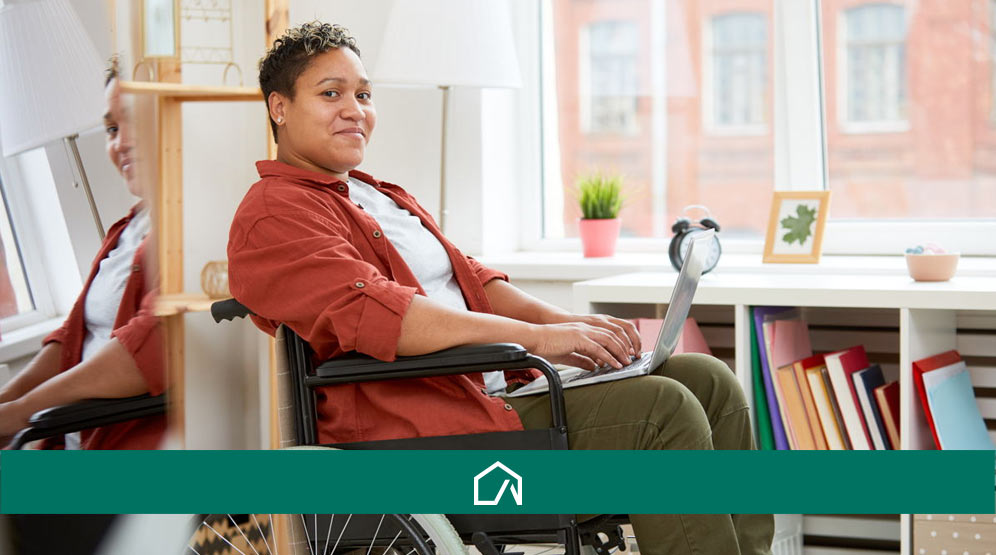


If you're looking to apply for affordable housing through options like Section 8, the pre-application marks your first significant step. This form provides housing agencies with essential information about you, such as your income, family size, and specific housing needs.…
Understanding Medicaid and Medicare Reductions Set for 2025

The Trump administration is initiating significant modifications to Medicaid and Medicare, potentially jeopardizing the healthcare coverage for those who depend on these programs. With the introduction of work requirements for Medicaid, stricter eligibility criteria, and budget cuts, millions of low-income families, seniors, and individuals with disabilities might face increased medical expenses or the complete loss of their benefits.
If you’re concerned about affording healthcare in 2025, continue reading. We’ll clarify what changes are occurring, who might be impacted, and steps you can take if you lose your coverage. If you find yourself in need of assistance with housing, eviction protections, or securing a stable residence, consider these resources:
What’s Changing with Medicaid and Medicare?
1. Work Requirements for Medicaid
The administration is reinstating work requirements for Medicaid. This stipulates that to qualify for coverage, you must demonstrate that you’re employed, volunteering, or participating in job training. Failing to meet this requirement may result in the loss of your Medicaid coverage.
- Who is most at risk? Low-income adults, parents, and individuals with disabilities who do not satisfy the work condition.
- Where will this take effect? States must seek approval, but during Trump’s initial term, 13 states received permission to implement work requirements. It’s anticipated that more states will follow suit in 2025.
If you’re concerned about losing Medicaid due to employment challenges, it’s worth noting that some states allow exemptions for caregivers, students, and those with disabilities. However, many individuals may still be left vulnerable.
2. Stricter Medicaid Eligibility Rules
The government is tightening the eligibility criteria for Medicaid. Even if you previously met the income thresholds, new regulations could complicate your ability to maintain your coverage.
- There will be an uptick in fraud investigations. The Department of Government Efficiency (DOGE), under the leadership of Elon Musk, is on the lookout for individuals who may not be entitled to Medicaid.
- This could cause thousands to be removed from the program, including those who still qualify.
3. Medicare Restructuring for Seniors
Medicare is also undergoing significant changes, with plans to raise out-of-pocket costs for seniors. If you depend on Medicare, you may experience:
- Increased costs for prescriptions and doctor visits.
- Reduced coverage options, potentially requiring you to invest more in private insurance.
For many seniors living on a fixed income, these changes could drastically affect their ability to obtain necessary medical care.
Who Will Be Affected?
The repercussions of these changes will primarily impact the most vulnerable segments of the population:
- Low-income families – Implementation of work requirements and stricter regulations could lead to millions losing their Medicaid coverage.
- Individuals with disabilities – Dependency on Medicaid for specialist care, therapy, or medical devices may result in the loss of critical services.
- Seniors – Heightened Medicare costs could hinder seniors from affording necessary medications and healthcare services.
If you’re currently battling housing issues and facing discrimination in HUD programs, read Is Discrimination Blocking Your Access to HUD Housing? The Truth for strategies to combat these challenges.
What to Do If You Lose Medicaid or Medicare
If these reductions take place, it’s crucial to develop a contingency plan. Here’s a rundown of alternative healthcare options if you lose Medicaid or cannot afford Medicare:
1. Health Insurance Marketplace (Obamacare)
- You can apply for a Marketplace health plan within 60 days of losing Medicaid.
- The government provides discounted plans based on income, enabling some individuals to obtain affordable or free health coverage.
- Coverage becomes effective the month after registration, so act quickly if you lose Medicaid.
Visit HealthCare.gov to apply.
2. Reapply for Medicaid or CHIP
- Even if you lose Medicaid, you may still qualify if your income changes or if you fit into a different category (such as being pregnant or disabled).
- Children’s Health Insurance Program (CHIP) remains an option for kids in many low-income households.
You can apply at any time at Medicaid.gov.
3. Employer-Sponsored Health Insurance
- If you or a family member is employed with insurance benefits, this may present a viable option.
- Employers typically contribute to the premium, making it more affordable than private insurance.
Inquire with your employer regarding enrollment periods.
4. Federally Qualified Health Centers (FQHCs)
- These clinics offer low-cost medical services—even for those without insurance.
- Available services include doctor visits, mental health treatments, and prescriptions at discounted rates based on income.
Locate an FQHC in your vicinity by searching online or contacting your local health department.
5. Free and Low-Cost Clinics
- Numerous charitable organizations and nonprofits provide free medical services to uninsured individuals.
- These services may encompass check-ups, vaccinations, and medications.
Look into local free clinics or nonprofits like The Salvation Army and Catholic Charities.
How Healthcare Cuts Could Increase Homelessness
The absence of Medicaid or Medicare may lead to low-income families losing access to necessary healthcare, accruing debt, and facing eviction.
- Medical debt ranks among the leading causes of homelessness in the U.S.
- Without Medicaid, those with chronic health issues, mental health struggles, or disabilities may find it challenging to maintain stable housing.
- Low-income seniors facing increased Medicare expenses might be compelled to make tough choices between rent and medication.
If you’re at risk of eviction, don’t procrastinate. The Eviction Protection Grant Program may offer assistance.
Stay informed
The 2025 Medicaid and Medicare alterations might leave millions of low-income Americans without healthcare. For those at risk of losing coverage:
- Verify whether you still qualify for Medicaid or CHIP.
- Apply for an affordable Marketplace health plan via HealthCare.gov.
- Seek out a free or low-cost clinic for your medical needs.
- If you’re facing challenges with both healthcare and housing, explore programs that provide free or inexpensive housing.
Don’t wait until your coverage ends to begin exploring alternatives. Stay updated and take proactive measures now to safeguard your healthcare and housing in 2025.
Don't MissNavigating Affordable Housing PoliciesUp NextUnderstanding the Section 811 Housing Program for Individuals with Disabilities
Getting Started with Affordable Housing Applications

Impact of Trump and Musk’s Initiatives on Affordable Housing

Recent updates from the federal government have left many Americans feeling both anxious and unclear about the future. With Donald Trump back in the White House issuing urgent warnings to “prepare for financial hard times,” a sense of uncertainty looms.…
Steps to Take After Section 8 Application Denial

Picture this: you’ve been eagerly awaiting affordable housing assistance, placing your hopes on Section 8. Then, the unwelcome letter arrives: your application was denied. Now what? Fortunately, you still have options. Many applicants successfully contest Section 8 denials, so if…