


Emergency Rental Assistance Program (ERAP) Understand the Emergency Rental Assistance Program (ERAP), designed to aid low-income households facing challenges in meeting their rent or utility expenses due to financial difficulties. HUD’s New Rules for Section 8 Vouchers Learn about the…
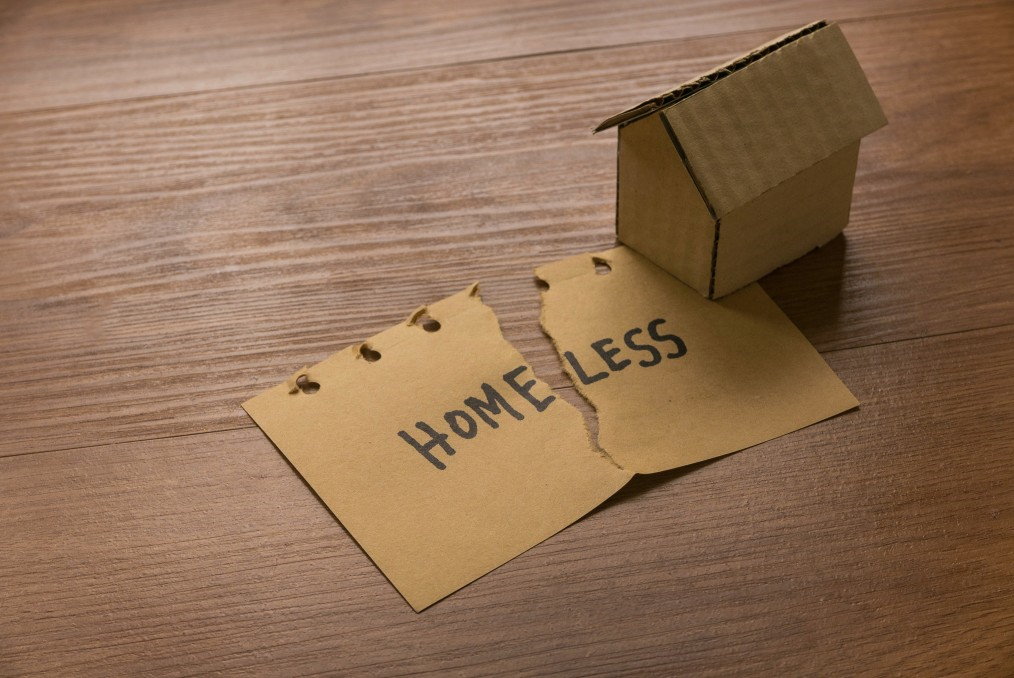
Transforming Lives: The Impact of Recovery Housing on Homelessness
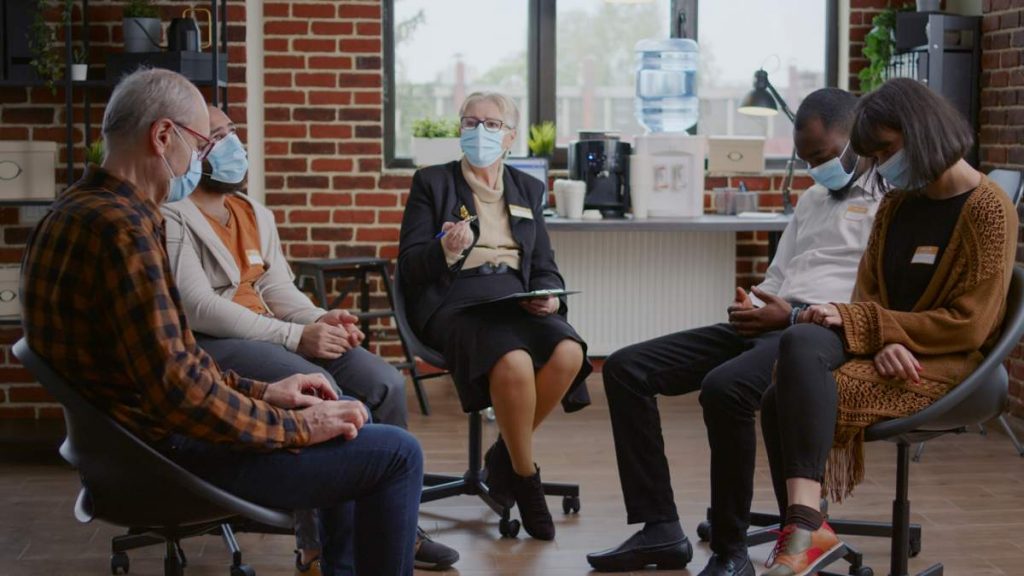
Addressing Addiction and Homelessness: The Importance of Recovery Housing Programs
Given the strong link between substance abuse and homelessness, overcoming these challenges independently can be quite daunting. A viable solution is the Recovery Housing Program.
Substance addiction and homelessness are intertwined issues faced by many individuals. Understanding their connection is crucial for creating effective interventions.
Drug addiction is a complex issue, often rooted in deeper challenges such as mental health conditions, poverty, and insufficient support systems. Typically, homelessness becomes a consequence as addiction worsens these existing problems.
While drug addiction can lead to homelessness, it often starts as a way to cope with adverse situations. However, this coping mechanism can spiral into a worse situation. The high costs of drugs and the experiences of withdrawal can make finding stable housing and employment particularly tough.
Moreover, homelessness can intensify substance use as individuals seek to escape their undesirable living conditions. This creates a precarious cycle that’s difficult to break without external support. Eviction also frequently acts as an unwanted trigger, forcing people out of their homes.
Exploring the Complexities of the Relationship Between Homelessness, Mental Health, Eviction, and Recovery Housing
To tackle homelessness effectively, it is crucial to grasp the complexities related to mental health and eviction as they intersect with recovery housing.
What factors contribute to someone becoming homeless? How does eviction impact mental health?
Homelessness often arises from a tapestry of interconnected issues and cannot be viewed as a single challenge. Mental health plays a critical role in this intricate relationship.
Studies indicate that a substantial number of homeless individuals experience one or more mental health disorders, posing significant barriers to achieving stable housing and employment, thereby perpetuating the cycle of homelessness.
What is a Recovery Housing Program?
A recovery housing program is primarily designed to offer safe, substance-free environments for individuals recovering from substance use disorders. What truly differentiates this program from other housing options is its focus on personal growth and sobriety.
This specialized living environment supports residents in maintaining sobriety, encouraging engagement in treatment programs, and providing the crucial support networks needed for recovery. Peer support often serves as the foundation of these recovery housing programs.
Research shows that recovery housing programs can significantly decrease substance use and enhance housing stability.
Research has demonstrated that recovery housing is associated with a variety of positive outcomes for residents including decreased substance use, reduced likelihood of return to use, lower rates of incarceration, higher income, increased employment, and improved family relationships.
Jason et al., 2006; Jason & Ferrari, 2010; Polcin et al., 2010
What Sets Recovery Housing Programs Apart from Other Housing Initiatives?
How does a recovery housing program stand out from alternative housing options? Here’s what you need to know:
If you dig a little deeper, you’ll uncover that the key differentiator of a recovery housing program is its dedication to providing not just a secure living space but also essential supportive services.
These resources are strategically assembled to assist individuals in overcoming substance abuse and/or mental health challenges. It goes beyond simply providing shelter; it equips them with the necessary tools for a smooth and effective reintegration into society.
Recovery housing programs adopt a holistic approach to address the dual issues of homelessness and addiction, setting them apart from traditional housing initiatives that may lack these supportive frameworks. The objective of recovery housing is not only to create a secure living environment but also to deliver supportive services to help individuals on their recovery journey.
How Does the Continuum of Care (CoC) Program Enhance Recovery Housing Programs?
Strengthening Support through Collaborative Efforts
The Concept Behind the Partnership
The CoC Program aims to foster community-wide commitments to ending homelessness, providing funding to states, nonprofit organizations, and local governments. This support accelerates the rehousing of homeless individuals and families while minimizing trauma and displacement. But how does it relate to recovery housing programs?
Integrating CoC Resources with Recovery Housing Program Goals
The objectives of recovery housing programs align closely with those of the CoC Program. Both of these initiatives focus on delivering safe, supportive living environments for individuals recovering from substance use disorders, essentially acting as a bridge between homelessness and independent living.
- The CoC program provides the resources and broader framework necessary for recovery housing programs to function effectively.
Additional Support Services as a Key Component
Is merely offering shelter sufficient? The beauty of the alliance between the CoC program and recovery housing initiatives resides in their shared vision of not just providing a roof but also necessary support services. These may include treatment, counseling, job training, and life skills coaching, among others.
What Are the Eligibility Criteria for Entry into a Recovery Housing Program?
Have you ever thought about joining a recovery housing program?
It’s not just an open invitation that anyone can accept. Instead, it lays out specific conditions and eligibility requirements that individuals must fulfill to gain access. But why is it important to be aware of these prerequisites?
Understanding these factors creates a clear pathway for those facing addiction and homelessness, offering them a vital lifeline toward recovery and stable housing.
Substance Use Disorders
Recovery housing programs primarily target individuals with Substance Use Disorders (SUDs). Consequently, having a documented history of drug or alcohol dependence is generally required.
The extent of addiction can vary from moderate to severe, but the motivation and desire for recovery should always play a crucial role.
Homelessness or Risk of Homelessness
Another requirement for entry into these programs is either current homelessness or the imminent threat of becoming homeless.
It’s essential to highlight that these housing initiatives are not just standalone addiction treatment centers; they serve as transformative environments aimed at addressing the complex relationship between addiction and homelessness.
Clearance from Detoxification Programs
For some recovery housing programs, being medically cleared from a detoxification process may be necessary. This indicates an initial commitment to sobriety and reinforces the individual’s determination to remain substance-free.
It’s important to recognize that the specific criteria for each program can vary. Always reach out to program administrators or staff if you have any inquiries or concerns.
This will help you better identify which programs are the most suitable for your individual needs.
SAMHSA’s Role in Recovery Housing Programs
- SAMHSA (Substance Abuse and Mental Health Services Administration) strongly advocates for recovery housing as a critical support strategy to assist individuals dealing with substance use and/or co-occurring mental health issues in achieving and sustaining recovery.
Providing someone with a safe and stable living environment can lay the foundation for long-term recovery.
It is crucial that recovery housing programs operate under strong, ethical, and effective guidelines focused on creating a secure, healthy living space where individuals can access community resources and recovery support services to facilitate their progress.
Discussion and Concluding Thoughts
Ultimately, individuals require a safe environment to fully participate in substance use treatment and recovery services. Recovery housing programs, addiction, and homelessness are interconnected challenges that call for a multifaceted response. By integrating the efforts of recovery housing programs with HUD’s Continuum of Care, we can build a system that not only offers immediate assistance but also emphasizes long-term recovery and self-sufficiency.
Through this collaborative approach, we can achieve significant progress in addressing the challenges faced by those struggling with addiction and homelessness, ultimately helping them reclaim their lives and reintegrate into society.
Don't MissQualifying for Section 42 Housing BenefitsUp NextSocial Security Payments Reach Record Highs: Will Yours Rise?
Affordable Housing Champions: Inspiring Stories and Solutions

Insights from a Section 8 Landlord

Have you ever questioned what it truly takes for a landlord to approve a Section 8 application? You’re certainly not the only one. Many individuals utilizing housing vouchers are concerned about how to make a favorable impression and secure their…
The Critical Role of Medicaid and Medicare in Healthcare Access

When it comes to maintaining your health and shielding yourself from substantial medical expenses, Medicaid and Medicare are among the most vital programs available in the U.S. They offer assistance to individuals with limited financial means, ensuring access to necessary…