




Emergency Rental Assistance Program (ERAP) Understand the Emergency Rental Assistance Program (ERAP), designed to aid low-income households facing challenges in meeting their rent or utility expenses due to financial difficulties. HUD’s New Rules for Section 8 Vouchers Learn about the…
The Complete Guide to Applying for Food Stamps
Are you finding it difficult to keep fresh food on the table, looking for employment, or struggling to make your wages last until the end of the month? If any of these situations resonate with you, accessing the Supplemental Nutrition Assistance Program (SNAP), widely known as food stamps, could be a vital resource.
This vital program aims to assist low-income families and individuals, ensuring they have access to nutritious meals even during tough times. In this comprehensive guide, we’ll navigate the process of applying for food stamps together. From determining your eligibility to walking you through the application process and what to expect afterward, we’ve got all your bases covered.
A Brief Overview of SNAP Benefits and Food Stamps
What are food stamps?
Supplemental Nutrition Assistance Program (SNAP), or as many refer to it—‘food stamps’—serves as a crucial support for many households. Imagine this: you’re inundated with bills while your fridge is nearly empty. SNAP steps in to effectively turn that empty fridge back into a source of nourishment.
This federal assistance program offers crucial support to eligible individuals and families, alleviating some of the stress associated with grocery shopping. The central goal is straightforward: no family on a low income should have to fret over affording meals that meet their nutritional needs.
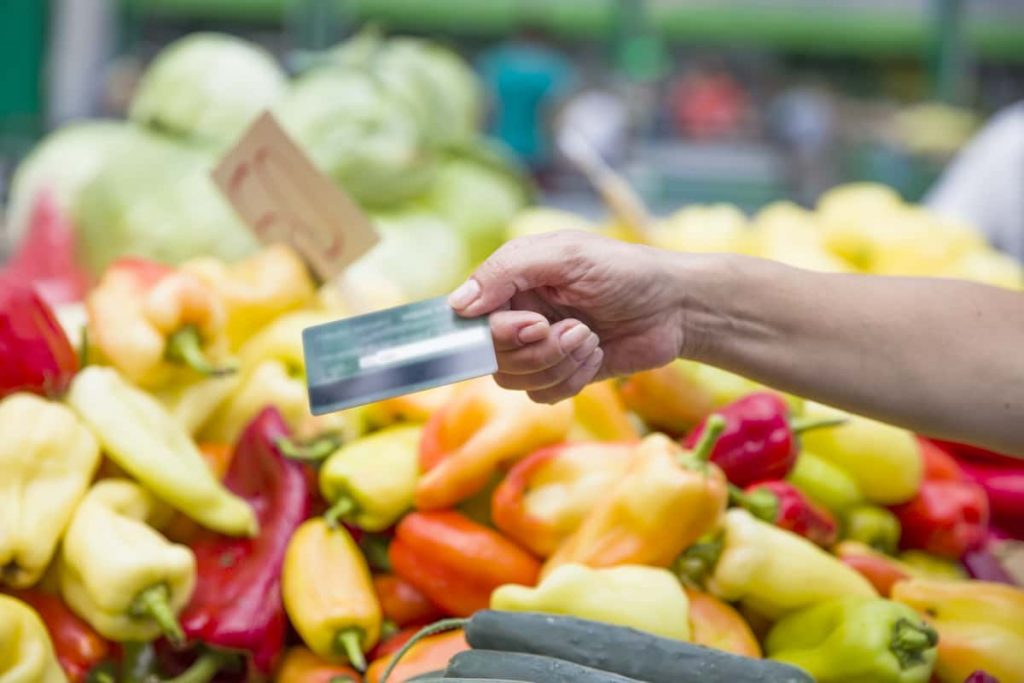
Instead of receiving benefits via a traditional check, SNAP provides assistance through an Electronic Benefit Transfer (EBT) card. Think of it like a debit card: you can visit your local supermarket, pick out eligible food items, and simply swipe your EBT card at checkout. Convenience at its finest, right?
The amount of aid provided is based on the U.S. Department of Agriculture’s Thrifty Food Plan. This plan isn’t crafted for summer body goals; instead, it serves as an affordable blueprint that ensures you can purchase nutritionally sound foods in line with the government’s dietary standards.
Food Stamps’ Significance
Food stamps serve as a vital resource at grocery stores. These essentially golden tickets empower individuals from low-income backgrounds to fill their carts—and, more importantly, their plates—with healthy, nutrient-rich foods. They become a sanctuary during tough times, transforming healthful eating from a luxury into an achievable reality.
From personal experience, I’ve witnessed how this resource can spark a transformative chain reaction: purchasing fresh produce, lean proteins, and whole grains—foods that are rich in vital nutrients. Suddenly, the weight of worrying about your next meal is lifted, bringing with it newfound peace of mind. It’s essential to realize that stress affects not just mental well-being but can take a toll on physical health as well. Alleviating food-related stress can prevent various health issues in the future.
And the benefits extend beyond personal health. Spending these stamps at your local grocery store or farmers’ market aids not only your well-being but also supports the local economy. Your spending bolsters retailers, creating a ripple effect that enhances the financial health of your community. It’s a classic win-win scenario—akin to snagging the last avocados at the farmers’ market! So, securing food stamps doesn’t merely uplift you; it strengthens your neighborhood too. Sounds like a brilliant deal, right?
In summary, food stamps represent more than just a means to nutritional access—they’re a way to engage with and contribute to the local economy, lower your stress levels, and ultimately lead to a healthier, happier version of yourself.
Are you Eligible for Food Stamps or SNAP Benefits?
Income requirements
SNAP, otherwise known as the Supplemental Nutrition Assistance Program, is intended to help individuals procure food. However, eligibility criteria differ. Factors such as income, household size, and geographic location come into play. For instance, if you are part of a family of four with a pre-tax monthly income under $2,790 (as of October 2021), you may qualify. It’s important to note that this threshold can vary based on location and evolve over time.
Additionally, SNAP has provisions in place for households containing seniors or those with disabilities, aiming to support those most in need. Yet, eligibility is not solely based on income levels. SNAP also examines your ‘net income’—your total earnings minus essential expenses. To qualify for SNAP, your net income should be around the poverty line or even below it.
But SNAP looks beyond just finances. It considers your resources, employment status, and various other factors. As such, the assessment isn’t one-size-fits-all. Always check with your local SNAP office or your state’s SNAP website for precise and applicable information.
Household size considerations
Curious about how your household size influences your eligibility for food stamp assistance? You’re correct in thinking it does matter. The U.S. Department of Agriculture (USDA) defines ‘household’ as a group of individuals who live together and regularly share meals.
To clarify: As of October 2021, the income limit for a single-person household is $1,396 per month. For households of eight, this limit rises to $4,430 per month. And for every additional member beyond eight, the monthly income threshold increases by $468.
However, not everyone sharing living space and a streaming account counts as a single household under SNAP rules. Certain individuals, such as children under 22 living with parents, seniors, disabled persons, and supervised children under 18, may be regarded as separate households. Quite interesting, right?
To simplify: Your eligibility for food stamps is influenced by more than just income. Factors such as employment status, immigration status, and available savings all play a role. If this seems a bit complicated, if you want further clarification, check your state’s SNAP website or reach out to your local SNAP office for help.
Gathering Necessary Documents
Proof of Income
Here’s the bottom line: to apply successfully for SNAP benefits, you must gather the appropriate documentation that serves as proof of your income. While it may seem overwhelming, let’s simplify it together.
- Pay stubs: For those of you working a regular job, your recent pay stubs will clearly outline your income. It’s advisable to collect stubs from the last few months so the agency can assess your current earnings.
- Tax returns: For the self-employed crowd, don’t feel left out. Your latest tax return acts as your proof of income. This includes any necessary Schedule C, F, SE, or K forms that freelancers, farm owners, or partners filed.
- Social Security letters: If you’re receiving Social Security benefits, a benefit verification letter is your ticket. You can easily obtain this from the Social Security Administration.
- Unemployment benefit letters: If you’re on the job hunt and receiving unemployment benefits, your benefit statement from your state’s unemployment program will solidify your eligibility.
- Pension: If you’re receiving a pension, be sure to gather documentation that verifies this income source.
Retirees counting on a pension: Your regular pension statement can serve as proof of income.
Remember – the income thresholds for SNAP benefits aren’t uniform. They vary depending on your state and the size of your household. Therefore, ensure you give accurate income details to simplify the eligibility determination process. The bottom line – maintain precision, be truthful, and you’re already on the right track.
Identification Documents
Looking to apply for food stamps or SNAP benefits? A crucial step will be confirming your identity. There are several ways to establish who you are:
- Photo ID: Have a driver’s license or passport? That serves as an excellent proof of identity. These government-issued IDs are generally accepted.
- Social Security card: Keep your Social Security card close at hand. Alternatively, another document displaying your Social Security number will suffice.
- Birth certificate: A birth certificate not only confirms your identity but is also particularly useful for verifying the identities of any children in your home.
Bear in mind that the requirements may vary slightly from one state to another. To be sure, it’s wise to double-check with your local SNAP office or visit your state’s SNAP website. They can provide you with the most accurate and current information regarding the necessary identification documents.
Finding the Application
Online EBT Application Process
While the online application process for SNAP benefits might seem intricate at first, it’s actually quite straightforward. Begin by visiting your state-specific SNAP website to ensure you are using the appropriate form, as each state has its own application forms. Be prepared to provide comprehensive details about your household, such as income and expenses, including the names, Social Security numbers, and birthdates of all family members. The form will also ask for information concerning income sources, savings, and spending habits, like housing costs, utilities, and childcare expenses.
After you complete the online application, you’ll receive a confirmation number. Be sure to note it down, print it, and keep it safe as it will be essential for tracking your application status. Following this, the SNAP office will review your submission and arrange an interview—either over the phone or in-person, depending on your state’s procedures.
As you fill out your online food stamp application, it’s crucial to be accurate. Any discrepancies or misleading information can negatively affect your application or potentially lead to denial. Always reach out to your local SNAP office with any questions; they’re there to help you.
In-Person Application Process
If you prefer a more traditional approach, applying for SNAP benefits in-person is a viable option. Head to your local SNAP office where staff can assist you in filling out the required forms. You can either complete your application there or take it home to finalize at your leisure.
Be aware, however, that the requirements will be the same as the online application. You will need to provide proof of income, personal identification, and other necessary documents. Once you’ve completed your application, return it to the office. It’s a good idea to make photocopies for your own reference; they may come in handy later.
Pro tip: Bring your ID and proof of income when you submit the form. Being well-prepared can save you time and streamline the process.
Submitting the Application
Online Submission
Ready to submit your EBT online application? Let’s make sure it’s done correctly! Be meticulous when filling in every required field. Before hitting submit, take a moment to review your entries for accuracy and consistency. Remember, precision is key.
The final point – honesty is essential. Inaccuracies can lead to negative outcomes, not to mention inconveniencing families who genuinely need assistance. Therefore, complete your form with complete honesty, as if you were having a candid chat with a close friend.
In-Person Submission
Choosing to apply for food stamps is a significant step towards self-sufficiency, and it’s natural to prefer a face-to-face interaction during this process. Applying in person allows you to walk into your local SNAP office, engage in what you hope will be a pleasant conversation with a caseworker, and hand over your completed application personally.
Think of it as akin to submitting a challenging homework assignment. The caseworker might pose a few questions right then and there—sort of like a pop quiz—or they may want to take a closer look at specific documents you’ve provided. You have nothing to worry about! More often than not, your well-organized paperwork and the benefit of a face-to-face interaction will make for a smooth process.
Interview Process
What to Expect During the SNAP Benefits Interview
Once you’ve submitted your application for SNAP, a representative will contact you for an interview, usually conducted over the phone. This conversation aims to clarify any details regarding your application.
Be ready for questions about your income, expenses, and household members. It’s pivotal to answer truthfully and accurately. If you’re uncertain about something, it’s perfectly acceptable to say so—guessing won’t be beneficial.
Keep your documents handy for the interview, as you may need them to confirm specifics, such as income and expenses, that affect your eligibility. While this may seem cumbersome, being prepared is critical.
Remember, you’re not the only one being questioned; feel free to inquire about any aspect of the SNAP program or application process. Your questions are just as important as theirs!
Tips for a Successful Interview
Be Prepared
Preparation is certainly crucial for a successful SNAP interview! To ensure the process is smooth, gather essential documents, including identification and proof of income. Additionally, consider including documents that reflect your financial need, such as bills, rent receipts, or medical records. So, gear up, compile your materials, and get ready for your application. You’ll be well prepared!
Be Honest
Honesty is indeed the best policy, and it holds true during your SNAP Benefits interview as well. Miscommunications can arise if you guess or make assumptions. If you’re unsure about any information, simply acknowledge it; it’s far better than providing incorrect details. Keep in mind that unintentional inaccuracies can lead to complications, including possible denial of benefits or legal issues. So, staying honest is the safest approach to take.
Be Specific
When pursuing SNAP Benefits, being open about your financial circumstances is crucial. This means providing comprehensive details about your income, monthly expenses, and any unusual financial situations you may be facing, such as unexpected repair costs or rising living expenses. Openness regarding your financial difficulties can bolster your application for SNAP Benefits.
Ask Questions
If uncertainties arise, feel free to ask questions. The SNAP representative is there to help clarify the program and assist you throughout the application process.
Follow Up
After your interview, ensure that you provide any additional documentation or information requested by the SNAP representative. Responding promptly to these requests is important to avoid delays in your application’s processing.
How Long Does it Take to Be Approved for Food Stamps?
Timeline for Food Stamps
Submitting a SNAP application doesn’t always result in immediate feedback. Typically, applicants might wait around 30 days for a response. However, in urgent situations where financial conditions are severe, feedback can arrive in as little as a week. This quicker timeline often applies if your monthly income is under $150 and your assets are less than $100, or if your rent and utility costs outstrip your income.
Keep in mind that these timelines can vary. Your individual circumstances and specific state policies can influence how long the process takes. Once you’re approved, benefits are usually available quite swiftly, enabling you to focus on ensuring your family has the essential nutrition they need.
Checking Application Status
You’ve submitted your SNAP application—what’s the next step? Much like tracking a package, you can monitor your application status in real-time! Each state has its dedicated SNAP website that allows you to log in and check the status. Alternatively, reaching out to your local SNAP office can provide you with updates.
Consider it your personal crystal ball—it may not predict the future, but it will keep you informed about any requests for additional information or updates regarding the processing of your application. Timeliness is key; if any requests arise, respond promptly. This attentiveness can significantly reduce potential delays in getting meals on your table.
Using Food Stamps
What Can You Buy with Food Stamps?
SNAP benefits can help you access a delightful range of high-quality, nutritious foods right at home. They cover purchases of fresh fruits and vegetables, meats, dairy, grains, snacks, and non-alcoholic beverages. You can even use your benefits for seeds and plants that will yield fresh produce from your garden.
When planning your shopping, remember that SNAP focuses solely on food items. It doesn’t cover non-food products like detergent, household supplies, hot meals, pet food, vitamins, or medications. Additionally, alcohol and tobacco products are off-limits.
And here’s some exciting news: In many areas, you can use your SNAP benefits at farmers’ markets or community-supported agriculture initiatives. This is a fantastic way to embrace a farm-to-table lifestyle, support local farmers, and contribute to your community’s economy.
If you’re ever uncertain about what’s covered, refer to the USDA’s SNAP Eligible Food Items webpage or contact your local SNAP office. As an informed SNAP shopper, you’re more likely to make the most of the program’s benefits.
Where Can You Use Food Stamps and EBT?
SNAP benefits serve as a vital resource for many, enabling purchases from a wide variety of grocery stores, local markets, and certain farmers’ markets. With advancements in technology, some states allow EBT for SNAP purchases online through platforms like Amazon and Walmart, which can facilitate home delivery for those who have difficulty going out.
However, keep in mind that SNAP benefits cannot be used for everything. They are specifically designed for food intended for home preparation, so ready-to-eat meals, non-food items, and beverages such as alcohol and tobacco are excluded. In essence, SNAP emphasizes supporting home-cooked meals.
Each state has its unique regulations regarding the use of SNAP benefits. If you’re unclear about any specifics, don’t hesitate to reach out to your local SNAP office for guidance. They are there to help you navigate the system successfully.
Recertification Process: Renewing Your SNAP Benefits
Importance of Recertification
Recertification is a key process for maintaining your SNAP benefits. It involves notifying SNAP of your ongoing need for assistance. Typically, this occurs every six to twelve months. Your attention to completing the recertification accurately and on time is vital for avoiding interruptions in your benefits.
Why is this process so important? Its main aim is to confirm your continued need for support and ensure that you receive uninterrupted assistance. Keep an eye out for notifications from your SNAP office and act promptly on recertification reminders.
Usually, the SNAP office will send out a notification with recertification instructions a few weeks before your benefits are set to expire. The recertification process typically resembles your initial application—you’ll complete a form, arrange an interview, and provide necessary supporting documents. Be sure to accurately report any changes in your situation that could affect your benefit amount.
Don’t hesitate to contact SNAP representatives if you need clarity at any point during this process. They are there to guide you through each step, ensuring your successful recertification. Stay alert, act promptly, and remember that you’re not alone in this journey.
Steps for Recertification
When it’s time to renew your SNAP benefits, or recertify, there’s no need to stress. You’ve done it before, and you can do it again. Here’s a handy guide to help you through:
- Receive your recertification notice: You’ll get a notice in the mail signaling that it’s time to recertify your benefits. This notice will contain essential information about the recertification process, including your benefits expiration date and the deadline for submitting your recertification form.
- Complete the recertification form: The notice will include a recertification form for you to fill out. This form will ask for updated information regarding your income, expenses, and household members. Be meticulous in filling out this form, as missing or incorrect details could stall the recertification process.
- Submit the recertification form: After completing the form, you need to send it to your local SNAP office. Typically, this can be done by mail, though some states may allow online submissions as well.
- Schedule an interview: Once your recertification form is submitted, you will be contacted to arrange an interview. This typically occurs via phone or in person, allowing the SNAP office to confirm the details on your submitted form and pose any extra questions.
- Attend the interview: During this session, you’ll go over the information in your recertification form and provide any required documentation. Be ready to respond to questions regarding your income, expenses, and household situation.
- Wait for a decision: After your interview, the SNAP office will evaluate your recertification form and any additional details you submitted. They will then determine your ongoing eligibility for SNAP benefits and, if applicable, the amount you will receive monthly. You will be notified by mail regarding their decision.
Once your notice arrives, start right away to ensure your SNAP benefits continue smoothly. Think of it as planting tomatoes: the earlier you act, the better your crop. Remember, you’ve got this!
Reporting Changes
Changes in income or household size
It’s crucial to communicate any changes in your situation that could impact your eligibility for food stamps. This includes variations in income, household size, or job status.
Updating information promptly
Neglecting to report changes promptly might lead to an overpayment of benefits or even loss of your eligibility. Stay proactive in updating your information to sidestep potential issues.
Penalty for Not Reporting Changes for Food Stamps
Your SNAP benefits hinge on the accuracy of the information you provide. Think of it as communicating with a close friend—this friend certainly dislikes surprises! So, keep your SNAP office informed of any alterations in your income, household size, or other key circumstances.
You may wonder why timely reporting is so essential. Here’s the deal: if you overlook an increase in your income and continue receiving the same benefits, you could unintentionally create an overpayment situation. And trust me, you’ll need to repay that excess amount—a conversation no one wants to have!
Steer clear of the temptation to skip reporting changes simply to boost your benefits. Such actions are viewed as SNAP fraud, which can bring about serious repercussions, including being disqualified from the program, facing fines, and possibly even criminal charges. This is one dance you definitely don’t want to lead!
In the interest of making life easier and keeping your finances in line, ensure your information is as up-to-date as the latest posts on your social media feeds. This practice will save you a significant amount of trouble down the road.
Reasons for Food Stamp Denial
There could be multiple reasons why a person or household may find their application for food stamps or SNAP benefits rejected. These include:
- Income above limits: Should your household’s gross monthly income surpass the designated thresholds set by the SNAP program, you won’t qualify for benefits. These income thresholds differ based on household size and are updated each year.
- Resources above limits: SNAP also assesses the resources or assets of a household, which can include bank account balances and certain property types. If your household’s resources exceed the limit, eligibility for benefits may be denied.
- Non-compliance with work requirements: Able-bodied adults aged 18 to 49 without dependents must meet specified work requirements to be eligible for SNAP. Failure to comply might result in denied benefits.
- Immigration status: Eligibility for SNAP is restricted to U.S. citizens and specific categories of non-citizens. If you do not satisfy the citizenship or immigration status criteria, your application may be denied.
- Failure to comply with program rules: Not adhering to SNAP program regulations, such as failing to report changes in income or household size, could lead to rejection of benefits.
Steps to Appeal a Food Stamp Denial Decision
If your food stamp benefits have been denied and you believe it is a mistake, you have the right to appeal the decision. Here’s how to begin the appeal process:
- Request an appeal: Generally, you will have to submit a written appeal request to your local SNAP office. This request should include your name, contact information, the rationale for the appeal, and a copy of the denial notice. It’s advisable to submit your request at the earliest opportunity, as there may be a deadline for appeals.
- Prepare for the hearing: After your appeal request is received, a hearing will be organized. Before this hearing, gather all relevant documentation such as proof of income, household size, and any other details pertinent to your SNAP eligibility. Consulting with legal advice or representation may also be beneficial.
- Attend the hearing: During the hearing, you’ll have the chance to present your case to a hearing officer. This is your moment to present evidence and clarify why you believe your benefits ought to be granted. Be clear, concise, and truthful in your statements.
- Wait for the decision: Following the hearing, the officer will arrive at a decision based on the information provided. You will receive a notice detailing this outcome. If your appeal is successful, your SNAP benefits will be reinstated or adjusted as necessary.
- Further appeal: If you disagree with the hearing’s outcome, you might have the option to escalate the case to a higher level of administrative review or even pursue legal action.
Keep in mind, the appeal process can be intricate, so it’s vital to know your rights and responsibilities. Consider seeking legal assistance if you’re uncertain about any part of the process.
Unique FAQs
- Can I apply for food stamps if I’m currently employed?
- Yes, many employed individuals and families qualify for food stamps if their income falls below the guided eligibility limits.
- Do I need to have children to qualify for food stamps?
- No, food stamp eligibility is determined by income and household size, not whether or not you have children.
- Are food stamps only for unemployed individuals?
- No, food stamps are accessible to anyone who meets the income and eligibility criteria, regardless of their employment state.
- Can I use food stamps to buy non-food items like toiletries or household supplies?
- No, food stamps are solely for purchasing eligible food items as defined by SNAP program guidelines.
- What should I do if I’m struggling to afford food but don’t qualify for food stamps?
- There are alternative food support programs and resources, such as food banks, community meal services, and local assistance programs. Connect with your local social services agency for more information.
Don't MissQualifying for Section 42 Housing BenefitsUp NextSocial Security Payments Reach Record Highs: Will Yours Rise?
Affordable Housing Champions: Inspiring Stories and Solutions

Insights from a Section 8 Landlord

Have you ever questioned what it truly takes for a landlord to approve a Section 8 application? You’re certainly not the only one. Many individuals utilizing housing vouchers are concerned about how to make a favorable impression and secure their…
The Critical Role of Medicaid and Medicare in Healthcare Access

When it comes to maintaining your health and shielding yourself from substantial medical expenses, Medicaid and Medicare are among the most vital programs available in the U.S. They offer assistance to individuals with limited financial means, ensuring access to necessary…