



Finding a supportive sober living environment is essential for anyone in recovery. It's about more than just having a place to stay; it’s about establishing a setting where you can heal, develop, and continue along the path to lasting sobriety.…
Student Housing Solutions by Affordable Housing Heroes
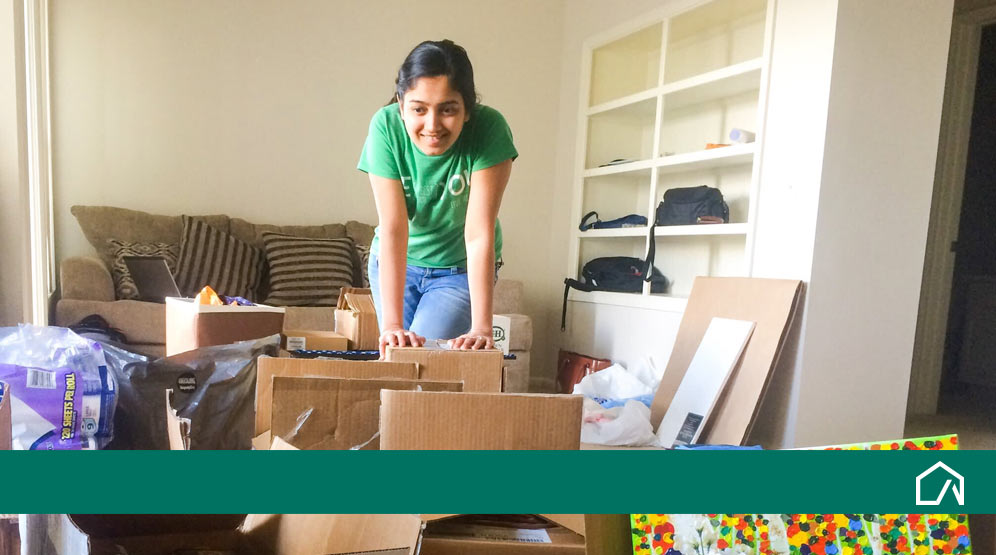
The cost of college can be daunting, especially with the added burden of housing for those who can’t commute. Many students are eager to find accommodations near or on campus and relish the opportunity to experience life away from home, enjoying a taste of independence.
Choosing the right living situation and locating affordable housing for low-income students can be a challenging task.
The guidelines for affordable housing for students are notably stringent, so a “student rule” was established to ensure that program benefits are directed to those who genuinely need them, rather than to students who are dependents of affluent parents or families with lesser financial needs.
This article highlights a few program options for students, along with their specific student rule.
Independent Student
Let’s first clarify the definition of an independent student according to the Department of Education:
- At least 24 years old
- Married (separated but not divorced is acceptable)
- Has legal dependents aside from a spouse
- Is an orphan (has been in foster care or a ward of the court)
- Experiencing homelessness or at risk of becoming homeless
- Emancipated minor with appropriate court documentation
- Veteran of the U.S. military
- Not claimed as a dependent by anyone else under IRS regulations
- “Professional students” pursuing a master’s or doctorate degree
- Documentation of any financial assistance from parents, signed by them (even if no support is provided, a certification indicating $0 assistance should be submitted)
Program Options
Section 8
Commonly known as the Housing Choice Voucher program, Section 8 offers very low-income individuals and families housing vouchers to acquire affordable housing in privately owned properties and sometimes covers utilities as well.
To qualify for Section 8 housing as a student, you must be recognized as an independent student (as previously defined), a disabled individual who is already a Section 8 beneficiary, or you, along with your parents (either individually or collectively), qualify for the Section 8 program, or you can prove independence from parents who do not qualify.
HUD HOME
This program finances various initiatives such as purchasing, rehabilitating, or constructing rental properties for low-income families or individuals with incomes of less than 80% of the area’s median income.
To be eligible for the HUD HOME program as a student, you must also be classified as an independent student. The student rule here mirrors that of Section 8.
LIHTC
This program promotes the building and restoration of low-income housing through federal tax credits. While many properties have been developed specifically for seniors, not all are limited to this demographic.
It’s worthwhile to explore if you’re an eligible student. To qualify for the LIHTC program, you must be an independent student receiving TANF benefits, or enrolled in a job training program under federal, state, or local laws, including the Job Training Act.
Proving Your Independence
Generally, you’ll need to furnish proof of your independence from your parents.
Landlords may require documentation demonstrating that you are of legal contract age according to state laws and that you have established a separate residence from your parents or guardians for at least 12 months before applying.
Unconventional Option
Some senior living facilities allow low-income students the opportunity to reside in their facilities, with the understanding that students will provide companionship, entertainment, and assistance during activities for seniors. Typically, students are expected to contribute at least 30 hours of their time weekly towards these activities.
This could be an excellent option, not only for affordability but also for the rewarding experience of providing support to seniors who may be in need of companionship during times when friends and family are not nearby.
Conclusion
While there are numerous constraints surrounding affordable student housing, we hope this information has shed light on your options. Always remember to reach out to your Public Housing Authority (PHA) to inquire about additional resources that may assist you.
Don't MissConsequences of Housing Shortage for Low-Income FamiliesUp NextHow to Preserve Your Section 8 Status Amid Recent Losses for 17000 Families
Discovering No-Cost Sober Living Options
Examining Barriers to HUD Housing Access Due to Discrimination

If you've ever applied for HUD housing or know someone who has, you've likely heard how challenging it can be to secure approval. However, the process involves more than just enduring lengthy wait times. Discrimination poses a significant barrier in…
Five Leading Charities Offering Free Housing Assistance

Given the significant backlog in the Section 8 Housing Voucher Program, where individuals may wait years to receive their vouchers, several non-profit organizations have stepped in to bridge the gap. These nonprofits work diligently to assist individuals in securing affordable…