



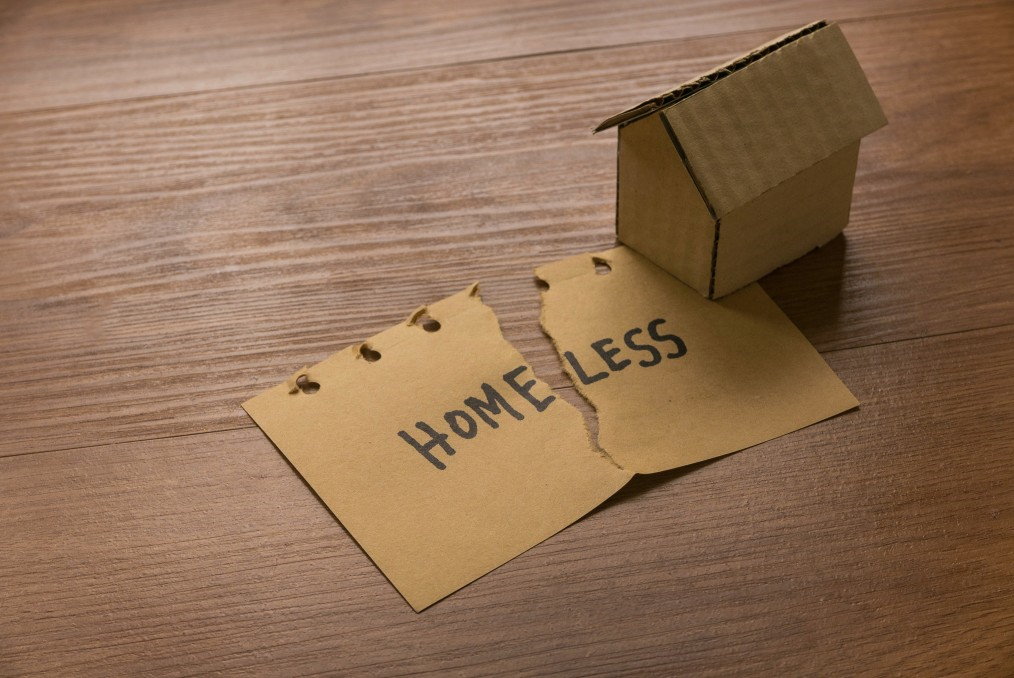


Exciting developments for those receiving housing assistance or aiming to qualify! The U.S. Department of Housing and Urban Development (HUD) has just rolled out their new income limits for 2025, and the adjustments are noteworthy. With substantial increases in many…
Revitalizing Infrastructure and Economy Through the Build Back Better Initiative

President Joe Biden believes there is no better method to invigorate the economy and revitalize the middle class than by empowering American workers. He made a commitment during his campaign to restore the foundation of America—the middle class—and to ensure that government serves all, not merely a select few.
Currently, he is fulfilling these promises through the Build Back Better framework. The aim is to rebuild the middle class in the U.S. by furnishing tools and funding that assist Americans in securing quality jobs. This framework is poised to generate millions of well-paying jobs, make education affordable, and fulfill climate objectives. Additionally, it aims to enable more Americans to participate in and remain within the workforce, thereby bolstering economic growth.
This framework will address the enhancements necessary for the economy across various sectors. These include:
Investing in Children & Elderly Care
Free Preschool for All
If you have a 3 or 4-year-old child in preschool, you probably recognize that early childhood education typically costs $8,600 a year. This framework aims to expand access to free preschool nationwide, marking a significant investment in America’s future workforce and economic expansion. Consequently, 6 million children annually will benefit from this free education, enhancing the quality of preschool for those already enrolled in various institutions.
As parents, you now have the flexibility to choose any preschool that you believe is the best fit for your child’s education, regardless of your income level. Be it a public or private institution, your options are broadened.
Making High-Quality Childcare Affordable for All
For middle-class families with children, this framework will provide affordable childcare. It guarantees that no family will spend more than 7% of their income on childcare. Regardless of the state you reside in, you will have access to high-quality, affordable childcare. This is projected to assist 20 million children annually, reaching 9 out of 10 families nationwide.
To put this into perspective, if you are part of a couple with one toddler and earn $100,000 a year, this framework could lead to savings of $5,000 each year specifically on childcare. So, are you eligible for this? Absolutely, if your family of four earns less than $300,000 annually. The motivation behind providing affordable childcare is to empower families, especially mothers, to engage in the workforce. Nursing mothers will also have opportunities to enroll in skill training for better job prospects, thanks to the affordability of bringing their kids to childcare centers.
Affordable, High-Quality Care for Older & Disabled Americans
For families caring for older or disabled individuals, the worry about expensive home care services will be alleviated. The framework will enhance Medicaid coverage for seniors and those living with disabilities, providing low-cost, high-quality care while also supporting the caregivers.
Extending the American Rescue Plan’s Expanded Child Tax Credit
In 2022, parents with children aged 6 and under will receive $300 per month, while those with children aged 6 to 17 will receive $250 per month. The objective is to diminish child poverty and assist with essential needs like food, housing, and healthcare. The plan also guarantees that the most vulnerable families will continue to benefit from the full Child Tax Credit.
Combating Climate Change
Giving Rebates & Tax Credits in Exchange for Clean Energy
This initiative will save families hundreds of dollars annually on energy expenses. The president asserts that the framework will reduce the cost of installing solar panels by roughly 30%. Additional measures include expanding and enhancing existing solar energy tax credits and rebate programs focused on electrification. New vehicle tax credits will lower the costs for American-made electric vehicles. Furthermore, grants and loans will be available through the Department of Agriculture for rural communities to seize clean energy opportunities.
Making America a Leader in Clean Energy Technology
The framework intends to incentivize growth in domestic supply chains within the solar and wind sectors, thereby creating more jobs. Moreover, it seeks to enhance the competitiveness of U.S. manufacturing by addressing technology gaps, such as acquiring high-quality steel for wind towers and cement for power plants.
Advancing Environmental Justice Through Clean Energy and Sustainability Accelerator
Under this proposal, the president plans to invest in projects nationwide, bringing benefits of up to $40 billion to disadvantaged communities. This will also initiate a Civilian Climate Corps consisting of over 300,000 members who will focus on conserving public lands, enhancing community resilience to climate change, and securing well-paying union jobs for more Americans.
This initiative will also facilitate cleaner public transport, buses, and trucks, alongside providing support grants for communities facing environmental challenges.
Historic Investment in Natural Climate Solutions
In an effort to address the degradation of natural resources, the plan will advance initiatives focused on coastal restoration, management, and soil conservation. It will also assist farmers, ranchers, and forestland owners in boosting conservation efforts and lowering emissions. By investing in climate-smart agricultural practices, it will not only improve crop yields but also combat climate change.
Expansion of Affordable Healthcare
Low-cost Prescription Drugs
The government must intervene to curb the exorbitant pricing structures surrounding prescription drugs. Medicare is set to take on this role by negotiating with pharmacies and manufacturers to lower prescription drug expenses. Once finalized, this will lead to more affordable medicine for everyone. New policies will enforce compliance from drug companies, penalizing those who do not adhere to regulations or who increase prices beyond the rate of inflation.
If you have diabetes, you can expect positive changes, as insulin prices will be capped at no more than $35 per month.
Strengthening the Affordable Care Act
This is particularly encouraging news for Americans who remain uninsured. With this framework, insurance can now be accessed through the Affordable Care Act Marketplace at reduced premiums. On average, you’ll only need to pay about $600 annually, leading to savings of approximately $245 per month on insurance costs.
Closing of the Medicaid Coverage Gap
Previously, individuals needed to pay $450 for benchmark coverage. However, thanks to this framework, there will be no cost. The plan’s goal is to ensure healthcare coverage for everyone through Affordable Health Care Act tax credits.
Medicare to Cover Hearing Benefits
Medicare will expand its coverage to include hearing benefits, ensuring that all citizens have access to the affordable care they require.
Bring Down Cost & Strengthen the Middle Class for Generations
Affordable Housing
The framework is set to construct over 1 million affordable homes to increase supply and reduce…
Affordable Housing Initiatives
This initiative not only addresses the crucial issue of housing costs but also aims to transform cities into safe, livable, and healthier environments. Additionally, it provides rental and down-payment assistance, empowering individuals to achieve homeownership and build long-term wealth. The plan further seeks to cultivate equitable communities through local zoning policies that foster vibrant neighborhoods.
Expansion of Earned Income Tax Credit (EITC)
To combat poverty, the Build Back Better plan proposes an expansion of the EITC, which will assist nearly all low-wage workers in escaping poverty. This expansion includes the extension of the American Rescue Plan, which triples the credit for workers without children, thereby benefiting nearly 17 million individuals.
Affordable Education Beyond High School
The framework is designed to make skill-based training both accessible and affordable for everyone. This will see the maximum Pell Grant raised to $550, enabling nearly 5 million students to pursue their aspirations. Additionally, the plan offers support to low-income students from minority and underserved communities. It focuses on providing students with quality training and education that can lead to improved job prospects across various sectors.
Nutrition Security for Children
A greater number of schoolchildren will benefit from free meal programs, supplemented with $65 each to help purchase food during the summer. This initiative aims to enhance nutritional security among children, thereby enabling them to reach their full potential.
Enhancing Equity, Safety, & Fairness
The legislation will empower rural communities through support for locally driven projects. Furthermore, the government will continue its investments in nutrition security and maternal health, expand free meal programs, and work toward establishing violence-free environments. The framework will also bolster small businesses while preparing for future pandemics and potential supply chain disruptions.
Immigration Reform
Build Back Better aims to reform immigration by funding seamless operations, rebuilding trust with the American public, and ensuring border enforcement aligns with humane principles.
Comprehensively Funded Historic Investments
The framework, fully funded through the repeal of the Trump Administration’s rebate rule, shifts the financial burden to the nation’s largest corporations and the wealthiest Americans. Individuals earning under $400,000 will not see any increase in their tax obligations. All proposed measures are anchored in laws and policies designed to ensure accountability.
- Prevent large corporations from having zero tax liabilities
- Encourage businesses to invest in their workforce and stimulate economic growth rather than solely benefiting themselves
- Eliminate incentives for companies that outsource jobs and profits overseas, ensuring that America derives benefits from local companies operating abroad
- Require wealthy Americans to contribute their fair share in taxes
- Establish equity in tax contributions. With an existing 99% compliance rate among regular workers, it is only fair that wealthier individuals adhere to the same standards. No one is exempt from current tax laws, and trained agents will be employed to pursue tax evaders among the wealthy, ensuring they meet their obligations.
Sources:
https://www.whitehouse.gov/build-back-better/
https://earthjustice.org/sites/default/files/files/build_back_better_fact_sheet_10.28_vfinal.pdf
Don't MissConsequences of Housing Shortage for Low-Income FamiliesUp NextHow to Preserve Your Section 8 Status Amid Recent Losses for 17000 Families
2025 Housing Income Limits: Check Your Qualifications Now

Alternative Housing Solutions by State for Those in Need

As Section 8 waitlists close across numerous states and federal housing funding faces reductions, low-income tenants are increasingly seeking alternative options. If you're unable to secure a Section 8 voucher or find the wait too lengthy, several state-specific programs can…
Locating Free Food and Clothing Assistance Through HUD

If you're finding it challenging to pay for food or clothing, the HUD Find Shelter tool can be of assistance. Many assume this government resource solely helps in locating emergency shelters, but it also links you to food pantries, soup…