



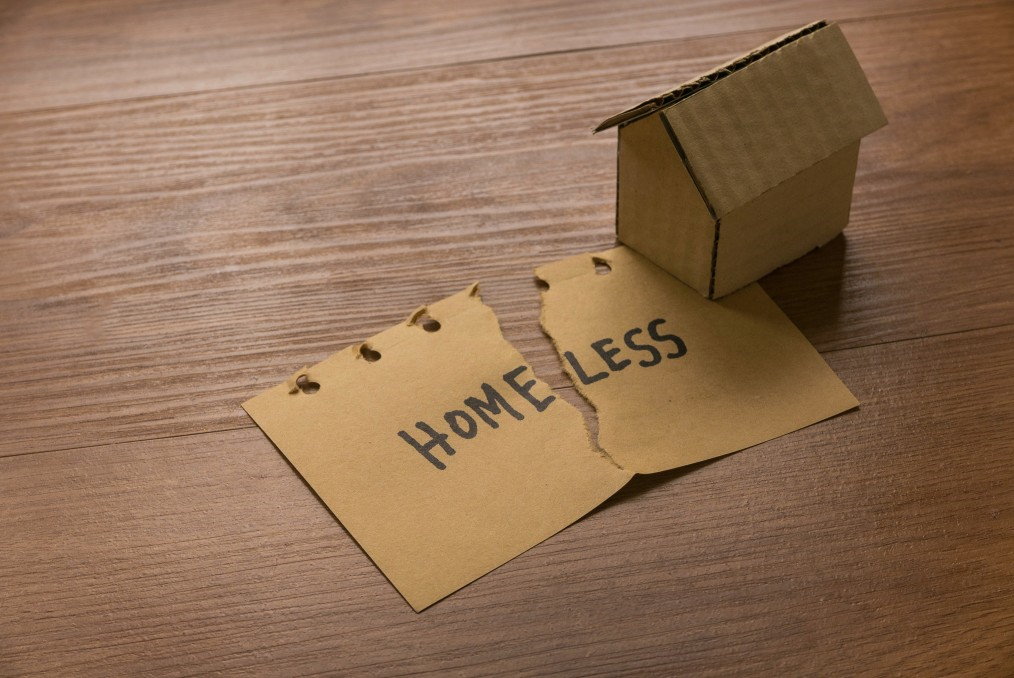


Exciting developments for those receiving housing assistance or aiming to qualify! The U.S. Department of Housing and Urban Development (HUD) has just rolled out their new income limits for 2025, and the adjustments are noteworthy. With substantial increases in many…
Impact of Government Policy on Housing Vouchers
The pressing need for solutions to the housing crisis in the United States became increasingly evident during and after the COVID-19 pandemic. The existing housing safety net has fallen short in ensuring safe housing for countless families, even during times of economic stability.
In January 2020, approximately 580,000 individuals experienced homelessness, highlighting the inability of many to afford housing. A significant portion of this population is linked to low-income households, revealing the detrimental impact of inadequate housing on children raised in such environments.
The U.S. government, through its lawmakers and agencies like HUD, has rolled out various rental assistance programs aimed at alleviating the burden of high housing costs for those in need.
The high cost of housing is associated with increased risks of homelessness, housing instability, and overcrowding.
One of the key rental assistance options provided by the government is housing vouchers, which support approximately 2.2 million households annually.
The Housing Choice Voucher Program was created in 1974 under Section 8 (Existing Housing Certificate Program) of the US Housing Act by Congress. This program offers housing assistance by closing the gap between local rent prices and what families can afford. Essentially, the government pays the remaining amount of the rent after the family contributes what they can.
These vouchers are managed by Public Housing Agencies (PHAs), enabling low-income families to secure safe and suitable housing in apartments, single-family homes, or townhouses of their choice.
This program is among the most advantageous forms of housing aid offered to qualifying households by the federal government. It targets individuals who spend half or more of their income on rent and utilities, allowing them to allocate funds that would otherwise go to housing towards crucial expenses like food, healthcare, and other welfare needs.
Housing Choice Vouchers as a Solution to Homelessness and Housing Instability
Individuals with the lowest incomes are more susceptible to housing issues, and this demographic includes a significant percentage of people of color (62%), including Black, Latino, Asian, and Native American communities.
A survey conducted by the Center on Budget and Policy Priorities (CBPP) revealed that about 11.2 million households faced severe cost burdens in 2018. These renters were found to be spending more than half of their income on housing costs.
Moreover, 99 percent of these households had low incomes (80 percent of the local median or below), with three-quarters falling into the extremely low-income category (at or below the federal poverty line or 30 percent of the local median).
It’s also important to recognize that many of these households care for dependents, including seniors, children, and individuals with disabilities.
Eligibility for housing vouchers requires individuals to be part of the low-income population as defined by HUD (earning 80 percent of the local median or less), be homeless or at risk of homelessness, and fleeing unsafe living conditions such as domestic violence, stalking, or sexual assault.
A significant benefit of being a housing voucher recipient, compared to other federal rental assistance options, is the freedom to choose the housing unit to which the subsidy applies. This flexibility allows beneficiaries to relocate to low-poverty neighborhoods.
This ability can positively influence the upward mobility of individuals in these households.
For instance, studies have shown that children whose families received housing vouchers after experiencing homelessness are more likely to display positive social behaviors and, due to the stability, they change schools less frequently, leading to better academic performance.
Furthermore, the enduring nature of housing vouchers makes them an ideal solution to combatting the housing crisis in the country. The vouchers should inherently be flexible, ensuring coverage even during circumstances that may lower beneficiaries’ income, such as job losses or reduced work hours encountered during the pandemic.
However, this federal solution to housing challenges is not without its hurdles regarding effective implementation.
While housing vouchers are a primary form of rental assistance provided federally, only 1 in 4 eligible households are able to take advantage of them, mainly due to funding constraints.
Increasing the availability of vouchers would significantly benefit low-income families spending over half their income on housing. A forecast from 2015 by Congress indicated that 8 million households could gain from a ten-year phase-in of voucher entitlement, which would require approximately $460 million today.
Establishing a mandatory funding level, as opposed to the currently discretionary level, would enhance the feasibility of this plan, as applicants endure lengthy waiting lists as they strive to maintain stability.
Despite the intention for housing choice vouchers to empower beneficiaries to select their living units, some landlords tend to refuse tenants with vouchers. While it is illegal for landlords to discriminate based on sex, race, gender, national origin, disability, or color, many states do not enforce “source of income” laws that prevent them from rejecting potential tenants relying on any form of housing aid.
This pattern of rejection can be linked to systemic racism, as a higher proportion of voucher holders belong to minority groups, with women of color representing the majority.
Housing Vouchers vs. Housing Supply Investments
A combination of increasing housing vouchers for eligible households and bolstering investments in housing supply will be crucial in addressing issues like overcrowding, homelessness, and housing instability.
Expanding the number of vouchers means that additional families receive necessary assistance for affordable and secure housing in lower-poverty neighborhoods. Simultaneously, increasing investments in housing supply will provide more affordable options for low-income households.
This could also extend housing solutions to individuals with unique needs, such as seniors, persons with disabilities, and those with chronic illnesses. The discretionary funding request for the 2022 fiscal year from the Biden administration included funding for 200,000 vouchers.
Although this did not represent a comprehensive plan for achieving the President’s goal of enhancing voucher availability, it underscores the federal government’s role in alleviating housing issues.
Research has demonstrated that housing vouchers are a more cost-effective housing assistance option compared to the expense of creating new housing units.
The necessity for more housing units comes into play when examining the dynamics of the housing market. In areas with tight housing markets, a clear need for additional units is apparent.
Thus, increasing investments in housing supply will be essential. Conversely, in softer markets, this may not be necessary and could undermine some benefits of housing vouchers, particularly regarding beneficiaries’ rights to choose.
Being able to select one’s housing unit is crucial when considering the potential necessity to be closer to a new workplace, children’s schools, or a relative requiring special attention.
In a housing economy focused on enhancing supply investments, these units are typically offered at subsidized rates.
This situation may lead to a greater concentration of low-income households in specific areas, potentially resulting in segregation, which confines them to neighborhoods with underperforming schools, inadequate healthcare, and various other disadvantages.
Don't MissConsequences of Housing Shortage for Low-Income FamiliesUp NextHow to Preserve Your Section 8 Status Amid Recent Losses for 17000 Families
2025 Housing Income Limits: Check Your Qualifications Now

Alternative Housing Solutions by State for Those in Need

As Section 8 waitlists close across numerous states and federal housing funding faces reductions, low-income tenants are increasingly seeking alternative options. If you're unable to secure a Section 8 voucher or find the wait too lengthy, several state-specific programs can…
Locating Free Food and Clothing Assistance Through HUD

If you're finding it challenging to pay for food or clothing, the HUD Find Shelter tool can be of assistance. Many assume this government resource solely helps in locating emergency shelters, but it also links you to food pantries, soup…