
It's widely acknowledged that inflation is soaring, and you don’t need to tune in to the news to grasp its impact. The prices for food, gas, housing, and various essentials have consistently climbed over the past couple of years. At…
Housing Initiatives by the Bureau of Indian Affairs

The Bureau of Indian Affairs (BIA) Housing Program supports American Indian and Alaskan Natives in securing one of the most essential human rights: a safe and sanitary home for themselves and their families. Its primary goal is to eradicate substandard housing and homelessness in Indian communities.
What Is the Housing Improvement Program?
The Housing Improvement Program (HIP) provides financial assistance to eligible American Indians and Alaskan Natives (AI/AN) needing funds for new housing, home repairs, or renovations.
The program focuses on individuals and families lacking immediate resources for adequate housing.
Established by the Snyder Act of 1921, the HIP acts as a safety-net initiative addressing the housing needs of eligible members from federally recognized Indian tribes.
Individuals and families with extremely low incomes are prioritized and awarded higher points for grant qualification, which assists with the costs of repairs, renovations, or even housing replacements — including potential funding for new homes.
What Are the HIP Benefits?
The HIP offers funding across five categories of housing needs:
Category A: Minor Repairs
This category provides funding for minor improvements, offering up to $7,500 for necessary housing repairs.
If your home’s condition jeopardizes the health and safety of its occupants, this is the category for you to apply.
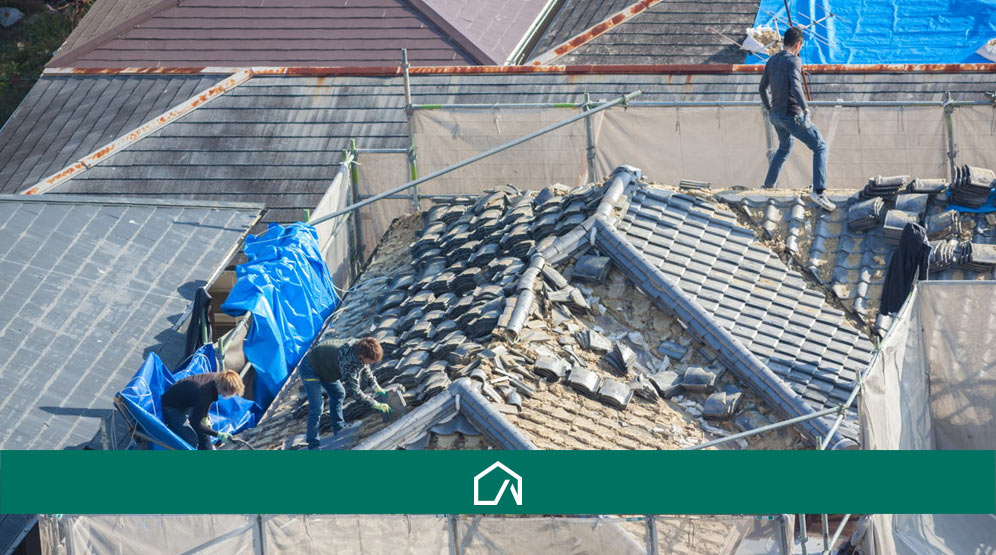
Issues like roof leaks, broken windows, and electrical wiring problems may fall under this category.
This funding aims to enhance the living conditions of low-income families by addressing basic housing needs.
Category B: Major Repairs and Renovations
Should your house require extensive repairs or renovations needed to comply with building code standards, you can apply for assistance under this category, which offers grants up to $60,000.
This category can cover homes requiring structural repairs necessary to meet housing standards.
These repairs and renovations are crucial for ensuring the home’s compliance with minimal standards, safeguarding the occupant’s health and safety, preventing fire hazards, structural collapse, and general deterioration.
Category C1: Replacement Housing
If updating a home to meet building code standards is not feasible with the $60,000 allocated from a Category B grant, applicants may seek replacement housing.
Replacement housing refers to the substitution of existing, occupied, and solely-owned housing when repair and rehabilitation are not financially or practically viable.
Category C2: New Housing
This category applies to individuals who do not own a home. If they own land suitable for housing or hold a lease of over 25 years for an appropriate property, they may qualify for a modest new house.
A modest home will be functional and safe, providing a secure living environment for a family and adhering to building code requirements.
Category D: Down Payment Assistance
Individuals and families unable to cover the entire cost of a home loan may be eligible for a one-time grant of up to 15% of the contract sale price, capped at $20,000 (or $75,000 in Alaska).
Eligibility depends on ownership of residential land or a lease, fostering homeownership among working-class families lacking the finances for a down payment.
HIP Eligibility
- The applicant must live within a tribal service area, which is a geographic area designated by a tribe and approved by the BIA for HIP services. Applicants must show proof of land ownership, a homesite lease, or demonstrate that they can secure a lease for at least 25 years.
- The applicant’s income must not exceed 150% of the U.S. Department of Health and Human Services poverty guidelines. Two income guideline charts are available — one for Alaska and one for the lower 48 states.
- Housing conditions must be substandard. State Housing Laws describe substandard housing as conditions that threaten the life, safety, or welfare of the occupants or public. Examples include:
- Fire hazards
- Structural hazards
- Insufficient weather protection
- Poor ventilation
- Lack of water
- Lack of heating
- Insufficient sanitation
- Infestation by insects or vermin
- No other resources for housing assistance. If you do not have alternative resources for housing help, you may qualify to apply for HIP.
- Notably, applicants may be disqualified if their existing housing was obtained via a federally funded housing program.
Keep in mind that once you receive assistance under Categories B, C, or D, you become ineligible for future HIP assistance.
Other Housing Resources for Native Americans
There are additional federal programs that may offer housing assistance to Native Americans. It’s worth exploring these options to find the most suitable fit for your needs.
Indian Housing’s Office of Native American Programs (ONAP)
This office, managed by the Department of Housing and Urban Development (HUD), administers housing and community development programs benefiting American Indian and Alaska Native tribal governments.
Tribal Green Building
This organization secures funding from federal, tribal, and state agencies directed towards tribal green building initiatives. It offers grants and loans to support these green building efforts.
Indian Housing Grant Programs
This annual grant from HUD allocates funds for a variety of affordable housing activities for tribally designated housing entities (TDHEs).
These activities can include housing development, services, and programs aimed at offering affordable housing options to Native Americans.
Indian Home Loan Guarantee Program
The Indian Home Loan Guarantee Program, managed by HUD, provides financing with fixed rates and extended, manageable repayment terms.
The maximum loan amount is 50% greater than the local lending limits established by the Federal Housing Authority.
Indian Community Development Block Grant Program
The Indian Community Development Block Grant provides funding for the sustainable growth of AI/AN communities.
Support may manifest in the form of quality housing or economic opportunities aimed at low-income individuals within these communities.
Direct Home Loans for Native Americans
This is a direct lending program tailored for Native American Veterans and non Native Americans married to non-veterans interested in purchasing or constructing a home on Federal Trust land.
Conclusion
The Housing Improvement Program (HIP) focuses on aiding a demographic that urgently requires assistance, individuals who often lack alternatives for enhancing their living conditions.
This initiative plays a crucial role in enriching lives. Poor living situations have detrimental effects on both physical and mental well-being.
The repercussions extend beyond individual families and isolated homes — they impact entire communities.
When nearly 50% of a family’s income is consumed by rent, essential expenditures such as utilities, transportation, education, nourishment, and health care are sacrificed.
Access to housing programs allows families to reallocate their budgets, enabling them to allocate more funds toward other vital needs.
With enhanced financial capacity, they also boost the prosperity of local businesses, which subsequently generates increased income for a wider range of individuals.
This exemplifies a trickle-up economy that uplifts the welfare of entire communities.
By providing people with the basic necessity of housing, they can gradually emerge from poverty and work towards improving their living standards.
If you are a Native American seeking assistance in obtaining a suitable home for your family and qualify for HIP support, please reach out to your local tribal or BIA Regional Housing office.
References:
https://www.bia.gov/bia/ois/dhs/housing-improvement-program
http://www.fortpecktribes.org/hip/
https://www.federalregister.gov/documents/2015/11/10/2015-28547/housing-improvement-program
Don't MissQualifying for Section 42 Housing BenefitsUp NextSocial Security Payments Reach Record Highs: Will Yours Rise?
Strategies for Managing Inflation in 2024

Affordable Housing Champions: Inspiring Stories and Solutions

Emergency Rental Assistance Program (ERAP) Understand the Emergency Rental Assistance Program (ERAP), designed to aid low-income households facing challenges in meeting their rent or utility expenses due to financial difficulties. HUD’s New Rules for Section 8 Vouchers Learn about the…
Insights from a Section 8 Landlord

Have you ever questioned what it truly takes for a landlord to approve a Section 8 application? You’re certainly not the only one. Many individuals utilizing housing vouchers are concerned about how to make a favorable impression and secure their…