






Emergency Rental Assistance Program (ERAP) Understand the Emergency Rental Assistance Program (ERAP), designed to aid low-income households facing challenges in meeting their rent or utility expenses due to financial difficulties. HUD’s New Rules for Section 8 Vouchers Learn about the…
Grocery Access Programs for Low-Income Families
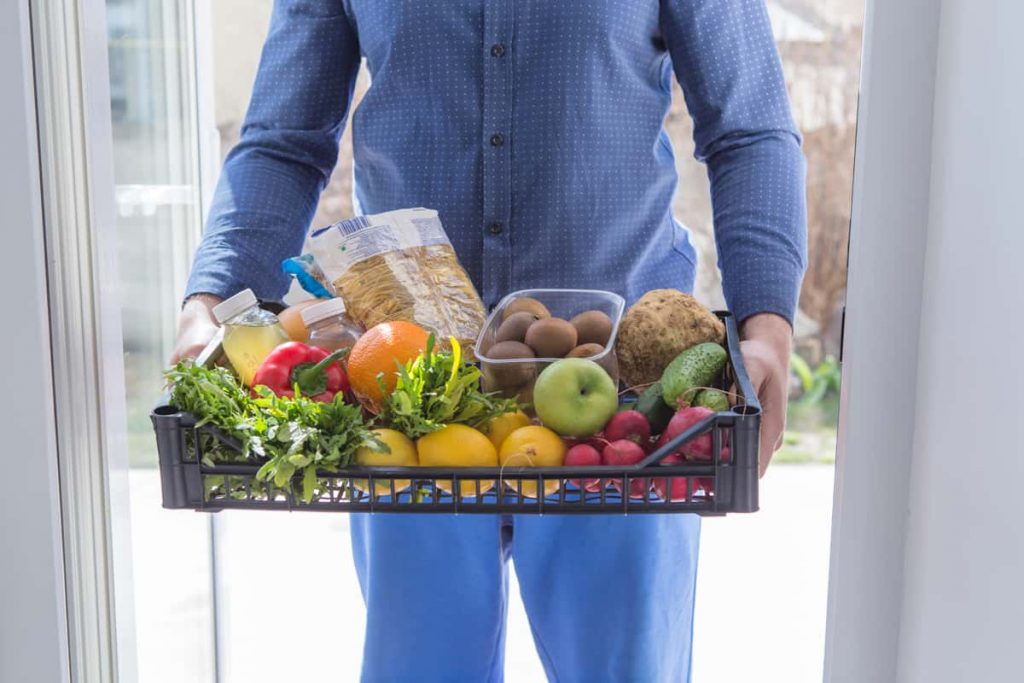
Finding access to nutritious food can sometimes resemble scaling a mountain, particularly for families facing financial challenges. However, discovering free groceries in your local community can greatly alleviate this burden, once you understand where to seek assistance. This guide aims to illuminate various programs and resources available to aid low-income families in securing free groceries.
Understanding Food Assistance Programs
SNAP (Supplemental Nutrition Assistance Program)
The Supplemental Nutrition Assistance Program (SNAP), often referred to as Food Stamps, represents a vital avenue for providing nutritious groceries to low-income families. This federal program in the U.S. aims to ensure that everyone has access to quality food, regardless of their financial situations. With millions of Americans benefiting, SNAP stands as the largest food assistance initiative in the country.
Eligibility for SNAP is determined by several factors, primarily including income, financial assets, and family size. Benefits received are based on these criteria. Practically, SNAP assigns recipients an Electronic Benefit Transfer (EBT) card, functioning like a debit card. Each month, a specific amount is deposited onto the card, enabling families to purchase groceries from approved retailers.
A notable feature of SNAP is its focus on promoting healthy food choices. The program encourages the purchase of items like fruits, vegetables, grains, proteins, and dairy — all essential components of a balanced diet. Additionally, SNAP extends its support to cover seeds and plants for growing food at home.
Overall, SNAP acts as a crucial resource in the battle against hunger, offering a safety net for those experiencing financial hardships. Through its food aid provisions, the program fosters greater financial stability and health among its participants. Consequently, for many families in pursuit of free and nutritious groceries, SNAP often emerges as a key solution.
WIC (Women, Infants, and Children)
The Women, Infants, and Children program—commonly known as WIC—is a vital support system provided by the federal government. This initiative is specifically designed to safeguard the health of women, infants, and children who are at nutritional risk and belong to low-income families. You could think of it as a supportive ally that supplies healthy foods, crucial nutritional education, and access to necessary health and social services, all at no cost.
Are you wondering if you or someone you know qualifies for WIC? The program primarily serves pregnant women, breastfeeding mothers until their baby’s first birthday, non-breastfeeding mothers until the infant reaches six months, and children under five years old. Through this focus, WIC provides free groceries for children and support for single mothers.
The aiding nature of WIC is showcased through its detailed food packages, which include various items like infant cereal, iron-fortified adult cereal, vitamin C-rich fruit or vegetable juice, eggs, milk, cheese, and much more. Each package resembles a treasure trove filled with essential staples like peanut butter, dried and canned beans, canned fish, and other fundamental foods.
Much like SNAP, WIC utilizes an Electronic Benefit Transfer (EBT) system, allowing beneficiaries to redeem their benefits for authorized WIC foods in approved grocery stores and pharmacies.
Essentially, WIC acts as an important stepping stone, aiding low-income women and children to close nutritional gaps. Specifically, the program provides significant support to single mothers by offering free groceries packed with essential nutrients, ensuring their children grow and develop properly.
Food Pantries and Soup Kitchens
Local food pantries and community soup kitchens function as crucial resources for individuals grappling with food insecurity. They provide a range of grocery items and prepared meals at no charge to those in financial difficulty. These initiatives focus on gathering and distributing diverse food products, from canned goods and ready-to-eat meals to fresh produce, dairy products, and sometimes even meats. Additionally, some pantries cater specifically to dietary requirements, offering items such as baby food or gluten-free products.
In times of need, soup kitchens serve as a source of warm and nourishing meals for those who require it most. While many concentrate on offering evening dinners, some also provide breakfast and lunch services.
Soup kitchens may operate independently or as part of larger community organizations. Besides offering a safe space for individuals to enjoy meals together, these community centers often provide additional supportive services such as counseling and referrals to other assistance programs.
The effectiveness of food pantries and soup kitchens hinges on the active involvement of volunteers and the generosity of donors, whether they are individuals, corporations, or philanthropic organizations. Their contributions are vital in ensuring these services can keep supplying wholesome food to needy individuals, regardless of their financial situation.
Feeding America
Are you aware of the exceptional work carried out by Feeding America? If not, this remarkable nonprofit organization manages the largest network of food banks in the United States. But their work extends beyond that; they also support millions through food pantries, soup kitchens, shelters, and similar agencies. While they address immediate hunger needs, their ultimate goal is to eliminate hunger entirely.
Curious about how it all operates? Feeding America has an impressive system for sourcing food and essential groceries. They collaborate with numerous partners – including government entities, national food producers, grocery retailers, logistics companies, packers, and even farmers. The collected donations then make their way to food banks and pantries across the country.
However, their impact goes beyond just distribution. Feeding America actively advocates for those at risk of hunger, working tirelessly to promote crucial legislation that protects vulnerable families. They also develop programs to encourage self-sufficiency and disseminate valuable information concerning the ongoing fight against hunger in the nation. They’re not just a meal provider; they are creating greater awareness around hunger issues as well.
In terms of supplying free groceries for families in need, Feeding America undoubtedly shines as a significant resource. So, if you or someone you know requires assistance, their extensive network and unwavering commitment to combating hunger make them an invaluable resource.
The USDA National Hunger Hotline
Ever have concerns about where your next meal might come from? If so, you are not alone. Numerous individuals and families deal with food insecurity. Thankfully, there are resources in place, including the National Hunger Hotline, managed by the USDA.
This hotline serves not only as a lifeline for emergencies but also as a wealth of information about emergency food providers, as well as…
government assistance programs. The best part? It’s available throughout the US! No matter your location, the hotline can steer you toward nearby resources for free groceries and help you uncover valuable food options in your community.
Moreover, the hotline operates in both English and Spanish. But that’s not all it does. In addition to directing you to local food banks, meal sites, and other food aid programs, it offers information on federal nutrition assistance programs like SNAP and WIC. This includes guidance through the application process and clarity on benefits; consider this hotline your trusted guide.
Interestingly, the National Hunger Hotline does more than just provide immediate assistance. It also conducts a bit of research, gathering data on the needs of incoming callers. This information is instrumental in shaping future strategies and policies aimed at reducing food insecurity. Sounds like a win-win, doesn’t it?
In conclusion, the National Hunger Hotline is making significant strides in the fight against hunger in America, offering an accessible way to discover free groceries near you. So don’t hesitate—tap into this resource!
The Emergency Food Assistance Program (TEFAP)
The Emergency Food Assistance Program (TEFAP) is a vital federal initiative aimed at providing free emergency food and nutrition assistance to individuals in need, particularly targeting low-income households and seniors. Managed by the U.S. Department of Agriculture (USDA), this program operates on multiple levels—from federal and state to local—ensuring that the issue of food insecurity is effectively addressed.
In essence, TEFAP involves the USDA procuring food items and distributing them to States. These States then relay the food to local agencies, typically food banks, which in turn distribute these goods to food pantries and soup kitchens that serve the public directly.
Local organizations receive monthly food supplies, pass them on to eligible recipients, and even use them in meals served at their facilities. The specific food purchased under TEFAP may vary based on market conditions and State preferences. However, you can expect a mix ranging from canned goods and fresh produce to frozen items, providing a diverse array of nutritious options. Once States place their orders, the USDA secures and delivers the food to them.
The Commodity Supplemental Food Program (CSFP)
Have you heard about the Commodity Supplemental Food Program (CSFP), often referred to as “Everyday Eats”? This initiative is tailored for older adults, particularly those aged 60 and above with incomes below 130% of the federal poverty line.
The mission is both clear and commendable: to improve the health of seniors by offering them free groceries filled with nutritious USDA Foods. Just to clarify, these packages don’t constitute a complete diet—they’re designed to supplement existing groceries with healthy options.
Curious about what a CSFP monthly food package contains? You can expect a nice assortment of wholesome food items.
This includes non-fat dry milk, fluid milk with ultra-high temperature treatment, refreshing juice, farina, oats, ready-to-eat cereals, rice, pasta, peanut butter, dry beans, canned meat, poultry or fish, and a delightful selection of canned fruits and vegetables. And here’s the icing on the cake—these food packages are thoughtfully curated to include nutrients that seniors often lack in their diets. Quite considerate, right?
The mastermind behind CSFP? It’s the Food and Nutrition Service (FNS), a branch within the U.S. Department of Agriculture that oversees the program at the federal level. At the local level, State and Tribal agencies step in to ensure that food packages reach eligible seniors directly. It’s evident that CSFP plays a crucial role in enhancing the health and nutrition of low-income seniors, significantly improving their quality of life.
Summer Food Service Program (SFSP)
The Summer Food Service Program (SFSP) is an essential lifeline providing nutritional meals to kids in low-income areas, especially during the extended summer vacations when school meals are unavailable.
Led by the United States Department of Agriculture (USDA) and facilitated by authorized sponsors such as schools, community organizations, camps, and private charities, this program ensures that children have access to free meals during the summer.
The concept is straightforward: establish a central location—a school or community center—where children can gather and enjoy their meals. These meals are not only nutritious but are designed in accordance with strict federal nutritional guidelines. This approach aims to significantly mitigate future health risks such as childhood obesity that stem from poor dietary habits. In fact, SFSP effectively addresses the significant gaps of hunger and food scarcity, providing a reliable source of wholesome meals.
For families who depend on school meals for their children’s nutrition, SFSP is truly a blessing. However, it’s not just about food. The program serves as a social gathering that keeps children engaged and encourages ongoing learning throughout the summer. In essence, it plays a vital role in combating child hunger.
The Child and Adult Care Food Program (CACFP)
The Child and Adult Care Food Program (CACFP) is an admirable government initiative designed to ensure top-quality nutrition for both children and adults in childcare settings. This includes childcare facilities, family daycare homes, and adult daycare centers. CACFP is dedicated to providing financial support to organizations focused on enhancing the nutritional quality of the meals they serve.
This program is lovingly managed by the U.S. Department of Agriculture. To give you an idea of its impact, CACFP currently serves over 4.2 million children daily through childcare centers, family care homes, and after-school programs. Isn’t that remarkable? And it doesn’t end there; the program also caters to more than 124,000 adults daily in adult daycare centers.
What’s great about this initiative is that it not only offers meals and snacks but ensures they are rich in nutrients while low in fats and sugars. It is a heartfelt effort aimed at tackling food insecurity and promoting healthy eating habits from an early age.
Nutrition Services Incentive Program (NSIP)
If you’re an older adult or have elderly loved ones, the Nutrition Services Incentive Program (NSIP) may be just what you’ve been searching for. This exceptional program is part of the Older Americans Act Nutrition Program, thanks to the Administration
on Aging (AoA).
Here’s the deal: The NSIP is more than just providing meals; it’s about nourishing our bodies with quality food. Administered at the federal level, the NSIP allocates funds to various state agencies and Indian Tribal Organizations. These funds eventually reach local service providers who work diligently to prepare and deliver meals to older adults.
What sets this program apart is its commitment to assisting low-income seniors, a group often beset by food insecurity and limited access to nutritious options. Knowing that a healthy meal is always within reach brings immense comfort.
But that’s not all! In addition to meal provision, NSIP offers nutrition education, counseling, and outreach endeavors, aimed at fostering healthier eating habits. Think of it as having a reliable nutritionist by your side, guiding you toward better long-term food choices.
The mission? To create enduring health benefits that extend beyond simply alleviating hunger. By enhancing access to nutritious meals, NSIP significantly contributes to the well-being of older Americans, ultimately improving their quality of life.
Leveraging Community Resources
Community Gardens
Have you thought about community gardens as a source for healthy, free food? They can be a true lifeline, especially for those in need. Community gardens are shared spaces where you can plant, nurture, and harvest your own fruits, veggies, and herbs. Imagine supplementing your meals with fresh, organic produce from your own garden—much better than relying on canned goods from food banks!
These spaces are not just about gardening; they also build neighborhood camaraderie. You can swap gardening tips, share your harvest, and learn from one another in this nurturing environment.
Moreover, community gardens often serve as community hubs, offering free workshops on gardening, food preservation, and healthy cooking—serving as educational centers for both kids and adults. They also play an essential role in teaching youth about agriculture, food sourcing, and nutritional value.
On top of all this, community gardens promote sustainable living by encouraging local growing, which minimizes reliance on processed foods and reduces transportation emissions. You’re not only providing fresh produce for yourself and your family but also contributing positively to the environment!
That said, be sure to check the specific rules for your local community garden. While some operate on a ‘first come, first serve’ basis for free, others may charge a nominal fee or request volunteer hours. Regardless, the benefits of community gardens go beyond mere access to free food; they enhance your diet, stretch your grocery budget, and strengthen community bonds—all while being fun and educational.
Farmer’s Markets and Gleaning Programs
Did you know that farmer’s markets can offer you access to budget-friendly, fresh produce? Many of these markets have initiatives that provide discounts or even free fruits and vegetables for families in need. Often, they boost the value of your SNAP benefits when you shop there. The best part?
You can save on your food costs, support local agriculture, and enjoy the freshest produce available. Here’s the catch: Imagine spending ten bucks from your SNAP EBT card but receiving the equivalent of twenty bucks to spend at the market. Pretty appealing, right?
Then there are gleaning programs, which take a creative approach to food sustainability. These programs gather leftover crops from farmers’ fields after the major harvest has been completed.
This produce would typically go to waste but is instead provided to families in need or distributed to food banks. Interestingly, some gleaning programs even allow community members to participate in the harvest, turning the experience into a fun, community-building event. Gleaning not only tackles food insecurity but also minimizes waste, making it a win-win situation.
Nonprofit Organizations and Charitable Foundations
A network of support exists through civic-minded nonprofit organizations and charitable foundations. These entities work collaboratively with local businesses and government agencies to make food more accessible to those who need it most, including low-income families and single parents.
Assistance can take many forms, such as food vouchers, meal deliveries, or even direct financial aid to cover grocery expenses. Doing a bit of research and getting in touch with these organizations can unveil new options for assistance in your local area.
Navigating the Application Process
Documentation and Eligibility Requirements
We understand that navigating the eligibility requirements for various food assistance programs can be daunting and confusing. However, grasping this information makes accessing these programs much easier. Let’s break it down! Typically, these programs aim to support low-income individuals and families.
The objective is to ensure that those facing financial hardships can access nutritious food. You may need to present specific documents, such as proof of income, to demonstrate that your earnings fall below a certain threshold, usually tied to federal poverty levels.
This threshold can vary depending on the state and the specific program. Some initiatives also take into account valuable assets like savings and property when determining eligibility. Family size is also a significant factor; larger families or those with dependents, like children or seniors, may qualify for greater assistance.
Additionally, some programs focus on specific groups. For instance, if you are a pregnant woman, a breastfeeding mother, or have a child under five, you may find WIC beneficial. Conversely, the NSIP mainly serves older adults.
It’s important to note that you will often need to recertify your eligibility periodically to retain your benefits. So, familiarizing yourself with these details is essential in order to secure the support you need!
Application Assistance and Support Services
Don’t feel overwhelmed if you’re new to this process or if specific hurdles are making it challenging to access benefits. There are many resources available to help guide you through the application process. Numerous organizations offer services such as personalized support, language translation when necessary, and advocacy to ensure you receive the benefits you’re entitled to. Don’t worry; we’re in this together.
Conclusion
Finding free groceries for families with limited income requires awareness, creativity, and persistence. By accessing food aid programs, utilizing community resources, and navigating the application process, you can help alleviate potential food shortages. Assistance is available, and no one in our communities should face hunger. Let’s simplify this information in a relatable way, empowering you to understand your options and take the necessary steps.
Don't MissQualifying for Section 42 Housing BenefitsUp NextSocial Security Payments Reach Record Highs: Will Yours Rise?
Affordable Housing Champions: Inspiring Stories and Solutions

Insights from a Section 8 Landlord

Have you ever questioned what it truly takes for a landlord to approve a Section 8 application? You’re certainly not the only one. Many individuals utilizing housing vouchers are concerned about how to make a favorable impression and secure their…
The Critical Role of Medicaid and Medicare in Healthcare Access

When it comes to maintaining your health and shielding yourself from substantial medical expenses, Medicaid and Medicare are among the most vital programs available in the U.S. They offer assistance to individuals with limited financial means, ensuring access to necessary…