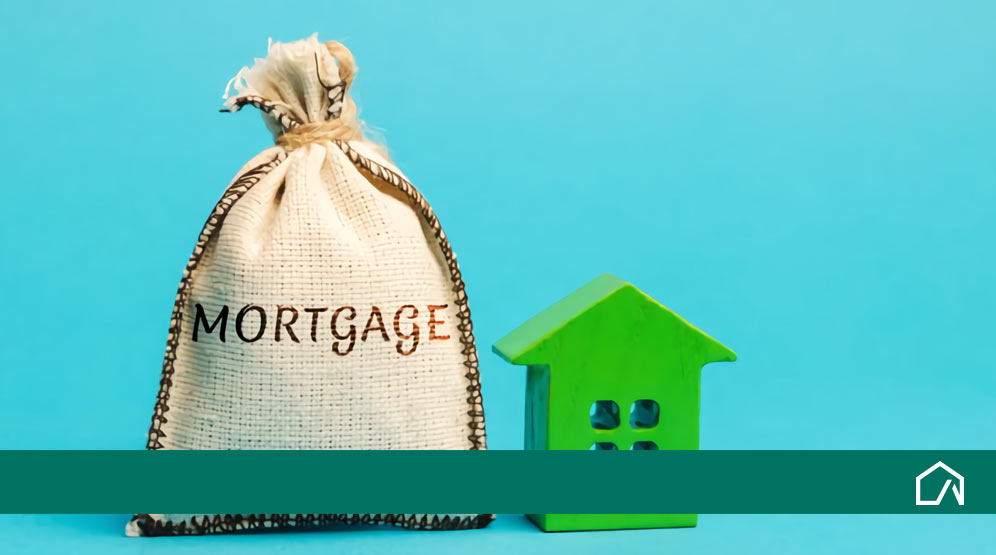
Reverse mortgage loans specifically designed for seniors are available to individuals aged 62 and older, and they are secured by your private residential property. This arrangement allows you to borrow a portion of your home’s value.
Essentially, this means you can convert your home equity into liquid cash. To qualify for a reverse mortgage, you must have purchased the property and currently reside in it. Rental properties do not qualify.
Unlike personal loans, in a reverse mortgage, it’s the lender who provides funds to you. Depending on your preference and lender stipulations, payments may be received in the following formats:
- Lump sum – you receive a fixed interest rate payment, typically amounting to 60% of your maximum loan limit.
- Term – You receive fixed payments for a specified number of years. After this term ends, payments cease.
- Line of Credit – You’re allotted a credit limit and pay interest only on the funds you use.
- Tenure – You benefit from a set payment each month for as long as you live in the home, or until you sell or vacate the property.
Pros and Cons of Reverse Mortgages for Seniors
While reverse mortgages can offer substantial advantages for some seniors, it’s crucial to evaluate the Pros and Cons before making a choice. Here’s a brief overview to help inform your decision:
Pros:
- These loans can provide a crucial income supplement, helping you manage your expenses more effectively.
- They allow you to remain in your home, facilitating aging in place, and can be more cost-effective than relocating.
- Funds received via reverse mortgages are considered loan proceeds and are not subject to taxation. However, consulting a tax advisor beforehand is advisable, as tax laws can be intricate.
Cons:
- If health issues force you to leave your home for an extended period (over 12 months), you’ll need to repay the loan in full, generally within a 6 to 12 month timeframe.
- The equity you utilize will reduce the inheritance your heirs might receive.
- Some seniors regret taking a reverse mortgage too early in retirement, emphasizing the need to thoroughly consider this option before moving forward.
- You must stay current on your homeowners insurance, property taxes, and home maintenance; neglecting these could lead to losing your home.
Requirements for a Reverse Mortgage for Seniors:
To qualify for a reverse mortgage for seniors, you must meet specific eligibility requirements. Each of these criteria is essential for securing approval:
Borrower Requirements
- The borrower must be at least 62 years old.
- You must own the home outright.
- The property must be your primary residence.
- Completion of counseling with a HUD-approved advisor (mandatory for HECM loans).
Property Requirements
- The home must be a single-family or a multi-family dwelling with up to four units, one of which is occupied by you, the borrower.
- A manufactured home may qualify if it meets FHA standards.
Note that vacation homes and second properties are ineligible for reverse mortgage loans as they are not considered primary residences. Additionally, income-generating properties like farms do not qualify.
Financial Requirements
- You must not have any federal debts outstanding.
- You need to demonstrate the ability to cover property taxes, homeowners association fees, and insurance costs.
Types of Reverse Mortgage for Seniors
While this is the most highly recommended option, other types are available. Here’s an overview:
- Federally insured reverse mortgage – Commonly referred to as the Home Equity Conversion Mortgage (HECM), these loans feature high upfront costs and can be pricier compared to traditional loans. They are popular among seniors due to their lack of medical requirements or income thresholds, and the loan proceeds can be used at your discretion. To qualify, you must consult with a HUD-approved counselor (you can find one online or reach out to (800) 569-4287 for assistance).
- Proprietary reverse mortgages – These are typically for higher-valued homes, resulting in larger proceeds for the borrower.
- Single-purpose reverse mortgages – This option allows funds to be utilized only for specific, lender-approved purposes. It tends to involve lower costs and is offered by various local and non-profit organizations.