



Are you considering your housing options for the upcoming year? If you're aiming to pursue a career in farming and agriculture, the U.S. Department of Agriculture’s Section 514/516 Farm Labor Housing Program could be a viable solution. This initiative offers…
Disaster Recovery Housing Assistance and Affordable Solutions
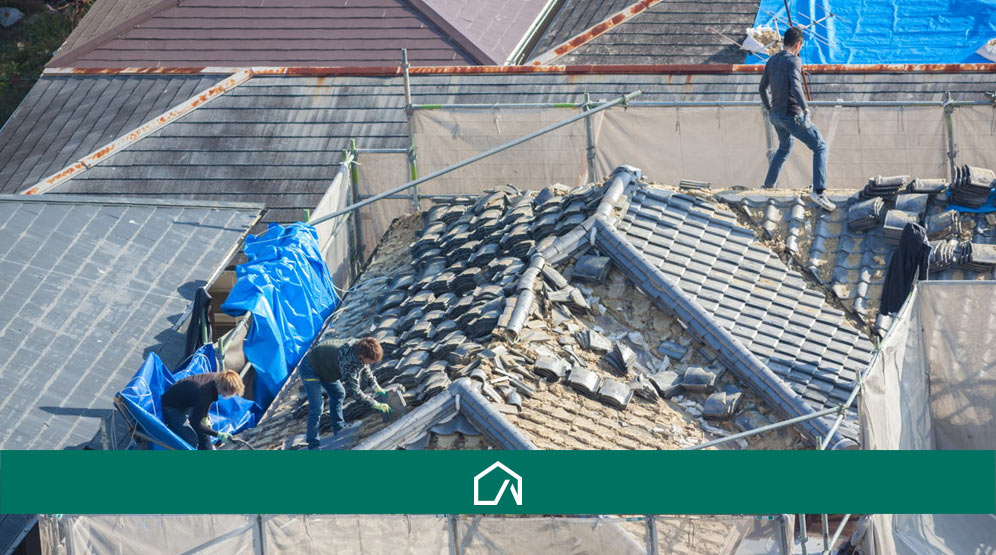
The disaster housing assistance program offers financial and housing support to individuals and households displaced by qualifying disasters.
This program addresses housing needs for those lacking insurance or sufficient funds to manage the damages inflicted by a disaster on their homes. Usually administered by FEMA, a federal agency dedicated to disaster relief, this assistance is vital for impacted families.
The Federal Emergency Management Agency, or FEMA, serves as the main federal organization providing support for disaster survivors across the United States.
A significant part of FEMA’s mission involves not only assisting after disasters happen but also in preventing them and preparing states for potential natural emergencies. FEMA provides temporary housing, business loans, funeral arrangements, and supplies like food and clothing among other disaster-related support.
Who Is Eligible For Disaster Housing Relief?
To qualify for the disaster housing relief program, applicants must meet several general requirements set by FEMA. Notably, there are no income limitations or salary criteria imposed before an application can be submitted. These essential requirements include:
- Your primary residence must have experienced damage or loss due to a disaster or related impacts.
- Your household must be located within a presidentially declared disaster area that is currently inaccessible to your family.
- Applicants must successfully pass FEMA’s identity and occupancy verification process.
- You or a member of your household must be a U.S. citizen or a documented immigrant.
- You must currently lack insurance coverage for the disaster-related costs concerning your home; relief is not available for households with insurance policies.
What Benefits Are Available Under The Disaster Assistance Program?
The disaster housing assistance program presents two primary forms of support for affected households: Direct Housing Assistance and Financial Housing Assistance.
Direct Housing Assistance typically becomes accessible once a household is approved for disaster relief. Examples of direct housing assistance include:
- A direct lease allowing affected individuals to temporarily occupy a separate, existing home leased by FEMA.
- A multi-family lease providing accommodation in a multi-family rental property, also funded by FEMA.
- FEMA-provided temporary housing units designed specifically for affected households.
- Permanent housing construction support, including repairs or new construction for homes, available for certain areas lacking other assistance options.
Financial Housing Assistance is also made available to help households displaced by disasters. The offerings include:
- Rental assistance, enabling families to lease alternative housing for a specified period.
- Home repair assistance for reconstructing or repairing the home, including certain utilities and residential infrastructure such as driveways and roads.
- Home replacement assistance for replacing a primary residence damaged by a disaster.
- Reimbursement for lodging expenses incurred for short stays at hotels, motels, and other temporary accommodations.
What Are FEMA Hotel Vouchers and How Can I Obtain Them?
Transitional Shelter Assistance refers to FEMA’s hotel vouchers aimed at disaster relief. The Transitional Shelter Assistance (TSA) Program, offered by FEMA, covers expenses for short-term lodging in hotels for households affected by disasters.
To qualify for the TSA Program, affected individuals must complete an application provided by FEMA, which may grant them the opportunity to stay in a hotel or motel for a limited timeframe arranged by FEMA.
However, it’s important to note that FEMA covers only the hotel room costs and does not finance other expenses such as food, phone services, laundry, etc., which must be paid by the occupants themselves.
A list of participating hotels and motels can be found on the FEMA website; only these locations will be funded as Transitional Shelter Assistance for disaster survivors for a specified duration. After reviewing the list and applying to FEMA, survivors can book their accommodations and liaise with FEMA for the required documentation.
Before applying, check your eligibility for the TSA Program at https://www.disasterassistance.gov/ or by calling FEMA at 1-(800)621-3362.
How Do I Apply For Disaster Relief?
To apply for the disaster housing assistance program, you can reach out to FEMA at 1-800-621-FEMA (3362) and apply by phone.
Alternatively, you may apply online by completing the application form or visiting a local Disaster Recovery Center (DRC) for assistance.
Disaster Distress Helpline
The disaster distress helpline is 1-800-985-5990, available for support related to natural disasters like hurricanes and the coronavirus outbreak. This helpline is accessible 24/7 to provide assistance and counseling for those grappling with mental and emotional challenges. You can also contact the FEMA helpline at 1-800 621-3362 and TTY 1-800 462-7585.
Conclusion
While natural disasters can occur unexpectedly and are often beyond our control, we encourage you to reach out to your local disaster recovery center or call the disaster helpline for assistance with your needs, especially if you currently lack insurance.
Don't MissStrategies for Managing Inflation in 2024Up NextFarm Labor Housing Programs by USDA Section 514 and 516
Farm Labor Housing Programs by USDA Section 514 and 516

Understanding the Section 811 Housing Program for Individuals with Disabilities
Who is eligible for Section 811 Housing? To qualify for Section 811 housing, applicants must meet the following criteria: At least one adult member of the household must have a disability, which can include a physical or developmental disability, as…
Understanding Permanent Supportive Housing
The demand for permanent supportive housing (PSH) is on the rise for individuals experiencing homelessness. Research indicates that this type of housing provides significant benefits for those in need. Permanent supportive housing is a type of subsidized accommodation. It offers…