

Additional support for the Housing Choice Voucher program may be on the horizon, though it's not yet certain! The United States Senate has just unveiled a new piece of legislation, championed by Senator Elizabeth Warren (Massachusetts), aiming to immediately augment…
Accessible Living Solutions for Individuals with Disabilities

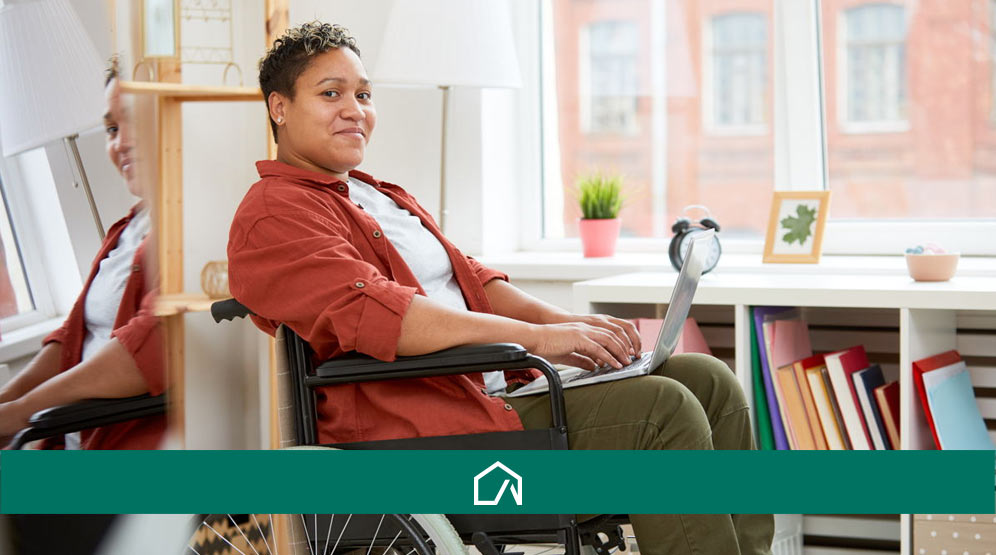
In the United States, there are 61 million adults living with disabilities, which means that 1 in 4 individuals faces some form of disability, encompassing physical or developmental challenges, as well as chronic mental health issues.
Unfortunately, a significant number of disabled individuals struggle to find affordable housing, often unaware of their eligibility or the various available programs designed to assist them.
Many have become discouraged in their search for supportive programs due to factors like discrimination and difficulty finding accessible properties.
*The majority of discrimination complaints directed to the HUD Fair Housing Enforcement Office come from people with disabilities, and these issues are addressed with utmost seriousness.
The Fair Housing Act prohibits discrimination in housing based on disability, sex, religion, race, color, national origin, and familial status. If you feel you’ve faced discrimination on any of these grounds, it is crucial to report it.
Affordable Housing Options for People with Disabilities
There are numerous housing assistance programs available in the US that cater specifically to individuals with disabilities.
These initiatives not only assist you in locating affordable and secure housing but also contribute to enhancing your quality of life. Below, we’ve compiled a list of various programs along with their specifics to help you find an option that best matches your circumstances.
- Section 8 – Known as the Housing Choice Voucher, this program provides individuals and families with very low incomes housing vouchers to access affordable dwellings in privately owned properties. In some instances, utility costs may also be included. Section 8 mandates annual property inspections and reviews to ensure ongoing eligibility. Approximately 1 in 3 households benefiting from Section 8 assistance is headed by a non-elderly person with a disability.
- Public Housing – Managed by local Public Housing Agencies, Public Housing aims to offer safe rental options for low-income families, individuals with disabilities, and the elderly. Factors such as income, family size, and immigration status are considered in the application process. The Public Housing Authority typically conducts background checks to evaluate your rental history, so it’s advisable to part ways with previous rental properties on amicable terms.
- Section 811 – Officially known as the Supportive Housing for Persons with Disabilities program, Section 811 is designed to assist disabled individuals with very low incomes. Eligible families must have at least one adult member with a disability.
Eligible disabilities encompass physical disabilities, chronic mental health conditions, and developmental disabilities. Section 811 does not impose citizenship requirements unless the property must adhere to specific program rules. A poor rental history, criminal record, or submission of inaccurate information may result in disqualification from this program.
- NED Vouchers – Non-elderly Disabled vouchers enable families to rent affordable, suitable, and accessible private housing. To qualify, families must include at least one non-elderly disabled member (under 62 years). Some Public Housing Authorities receive additional funding for NED vouchers, so it’s worthwhile to explore these options first. To access a list of PHAs offering extra NED funding, click HERE.
- Certain Development Vouchers – These vouchers provide housing assistance to disabled families in developments or rentals designated exclusively for seniors. This option is tailored for non-elderly, disabled families only. Eligibility is determined by the area’s median income, following the guidelines of most HUD programs.
It’s the family’s duty to locate a rental unit that meets the quality standards set by the PHA. If the monthly rent surpasses the amount you qualify for through the PHA, there’s an option to pay the difference. For more detailed information regarding these vouchers, reaching out to your local PHA is advisable, as each PHA has its own procedures and requirements.
Requesting Accommodation
“Disability accommodation” or “reasonable accommodation” refers to special requests you may submit to the HUD or PHA if you or a household member has a disability.
This process can assist you in securing an affordable home that aligns with your needs or allow you to remain in your current residence if it meets your requirements and you are satisfied.
It’s essential to submit these requests in writing and keep copies of any responses you receive. This documentation might prove helpful in the event of disputes down the line.
The most frequent accommodation requests include extensions on deadlines, additional or larger bedrooms, and increased housing vouchers. If you develop a disability after moving into your current home, you still have the right to request reasonable accommodations based on your new needs.
Don't MissConsequences of Housing Shortage for Low-Income FamiliesUp NextHow to Preserve Your Section 8 Status Amid Recent Losses for 17000 Families
$70 Billion Boost to HCV Initiative

Join Us in Expanding Affordable Housing Opportunities

Your Affordable Housing Heroes have consistently aimed to foster a positive impact in our nation, offering valuable resources to assist those in need to navigate government initiatives and secure the housing they rightfully deserve. Now, we have a unique chance…
VASH Program for HUD HCV Rental Assistance and VA Support

How does the HUD’s Housing Choice Voucher (HCV) rental assistance operate within the VASH program? HUD-VASH is the result of a robust collaboration between the Department of Housing and Urban Development (HUD) and the Department of Veterans Affairs (VA), aiming…