





Are you considering your housing options for the upcoming year? If you're aiming to pursue a career in farming and agriculture, the U.S. Department of Agriculture’s Section 514/516 Farm Labor Housing Program could be a viable solution. This initiative offers…
Emergency Rental Support Initiative

As a result of the COVID-19 pandemic and its negative impact on income and job security, it’s no surprise that some individuals may struggle to manage housing costs and utilities. With many having lost their jobs, family finances often only cover basic necessities like food. Therefore, government assistance is essential for those in need.
The government has implemented a rental and utility assistance initiative administered through the Emergency Rental Assistance Program (ERAP), designed to support numerous low-income households.
The Emergency Rental Assistance Program (ERAP) is a government-sponsored initiative providing financial support to low-income households facing rental challenges due to the COVID-19 crisis. Typically, households experiencing financial difficulties in meeting their rental obligations qualify for this assistance.
Established by the Consolidated Appropriations Act of 2021, which Governor Wolf signed into law on February 5, 2021, the Department of Human Services (DHS) is now tasked with implementing and managing the ERAP program with oversight from the federal agency.
The ERAP program helps households cover rental arrears that have accrued since 2020, disbursing funds directly to landlords or property owners.
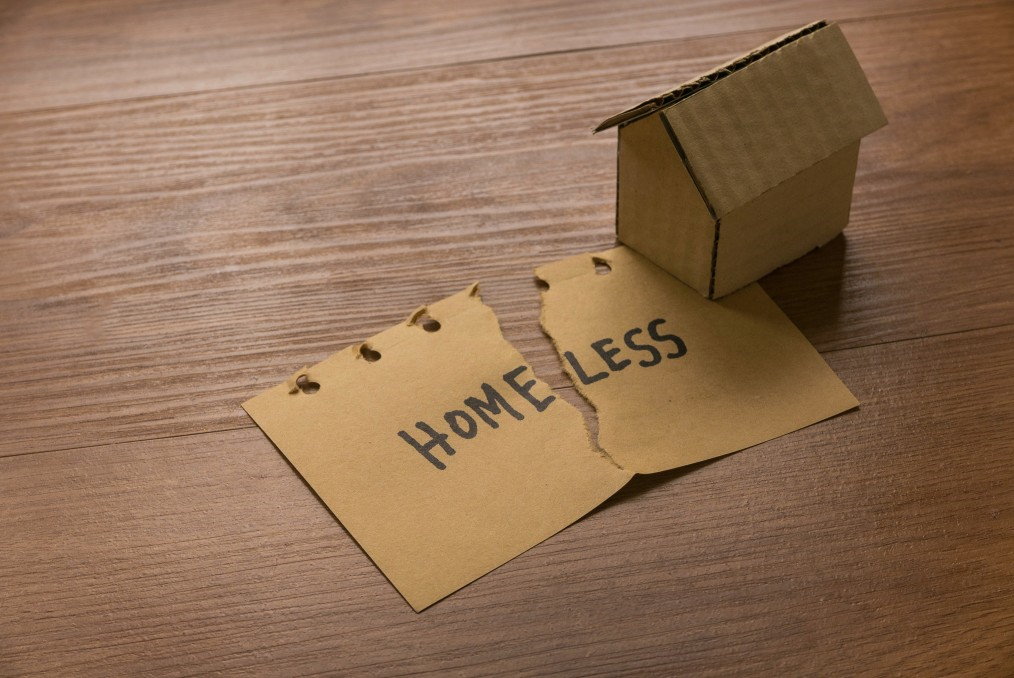
By doing so, the government aims to ensure that families maintain stable housing and avoid eviction or homelessness resulting from the pandemic’s economic challenges. There’s significant government support behind this housing relief effort to curtail homelessness across the nation.
ERAP specifically targets low-income households struggling with rent, offering assistance for overdue rent, household utility payments such as trash and sewer bills, electricity, gas, water, energy expenses, and other associated costs, all paid directly to property owners or utility companies.
The assistance encompasses a wide range of rental properties, including rental units, motels, boarding homes, trailers, and long-term hotel accommodations.
Who is Eligible to Apply for ERAP?
Applicants for this housing relief program must meet specific criteria established by the agency. Tenants have the option to apply themselves or have their landlords submit an application on their behalf to access relief funds.
In either scenario, both the landlord and tenant must complete the application process, as different sections require input from each party. Anyone can initiate the application, with the other party notified via email to follow up.
However initiated, both parties should have discussed the application process and feel comfortable to avoid any misunderstandings. Some of the essential criteria for tenants include:
- The head of the household or any family members must be US citizens, as a social security number will be needed.
- The household must have a history of paying rent on their residence and currently face challenges maintaining those payments.
- At least one household member must currently qualify for unemployment benefits or experience a decrease in earnings fitting within low-income thresholds.
- The household should provide evidence of financial impact from the COVID-19 pandemic, whether direct or indirect.
- The household must demonstrate a risk of housing instability or potential homelessness due to financial hardship and the threat of eviction without assistance.
- The household’s income must be at or below 80% of the Area Median Income (AMI) for the state where the application is submitted.
For Landlord’s Application
Landlords and property owners must provide specific documentation to facilitate their tenants’ access to ERAP funds. It’s crucial for landlords to collaborate with tenants in gathering the necessary information. Below are some of the documents required.
- A W-9 tax form needs to be completed online in the ERAP portal associated with the property owner’s account.
- Lease or tenant application along with the tenant’s payment documents for the last full rental fee, inclusive of monthly obligations and unit address.
- Documentation of rent owed from the tenant must be submitted using a monthly rent confirmation form that outlines any overdue rent, including late fees.
- Banking details of the landlord, which should be entered in the ERAP portal for direct deposit purposes.
Before submission, landlords or property owners must sign the application and accompanying agreements, affirming the accuracy of the uploaded information. Upon signing the agreement for ERAP, landlords must adhere to several terms and conditions:
- Property owners must accept ERAP payment and ensure it covers tenant rents for all relevant periods.
- Landlords must agree to waive any late fees associated with rental arrears encompassed by the ERAP program.
- Rental fees cannot be raised during the ERAP application process and for about a year following the receipt of payments.
- Eviction proceedings for the tenant, for reasons related to expired leases, cannot be initiated for at least one year post-ERAP payment.
How do I Apply for ERAP?
Applications can be filed online or, if unavailable, directly with the county. Required information includes the following:
- Identification details for any household member, such as a driver’s license, state-issued ID, or passport.
- Current income information for all household members above the age of 18 or proof of unemployment for working adults.
- Tenant lease or a letter issued by the landlord to indicate the current rental amount owed by the household.
- Your landlord’s contact information and related details to ensure their involvement in the application process.
- Proof of utility bills and expenses that require payment, such as water, electricity, and gas.
For further information, please visit: https://home.treasury.gov/policy-issues/coronavirus/assistance-for-state-local-and-tribal-governments/emergency-rental-assistance-program
Don't MissAccessible Housing Solutions for Individuals with DisabilitiesUp NextDisaster Recovery Housing Assistance and Affordable Solutions
Farm Labor Housing Programs by USDA Section 514 and 516

Understanding Permanent Supportive Housing

The demand for permanent supportive housing (PSH) is on the rise for individuals experiencing homelessness. Research indicates that this type of housing provides significant benefits for those in need. Permanent supportive housing is a type of subsidized accommodation. It offers…
Accessible Housing Solutions for Individuals with Disabilities

Many individuals with disabilities find themselves without access to affordable housing, often unaware of their eligibility or the various programs designed to assist them. Some have relinquished the search for assistance altogether, discouraged by factors such as discrimination and a…