
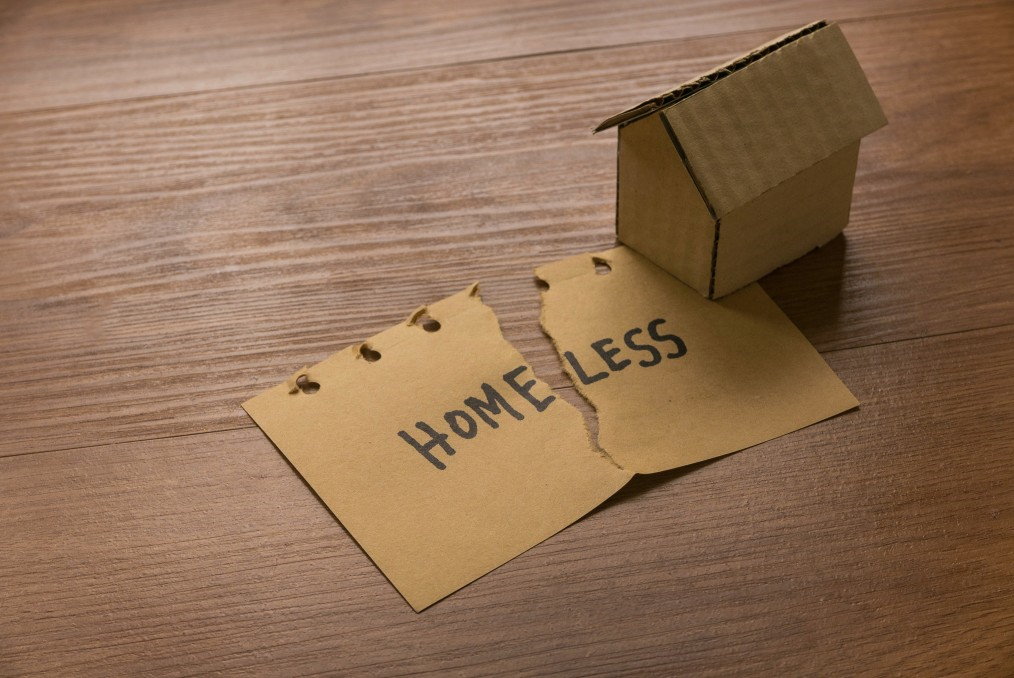


Are you considering your housing options for the upcoming year? If you're aiming to pursue a career in farming and agriculture, the U.S. Department of Agriculture’s Section 514/516 Farm Labor Housing Program could be a viable solution. This initiative offers…
Accessible Housing Solutions for Individuals with Disabilities

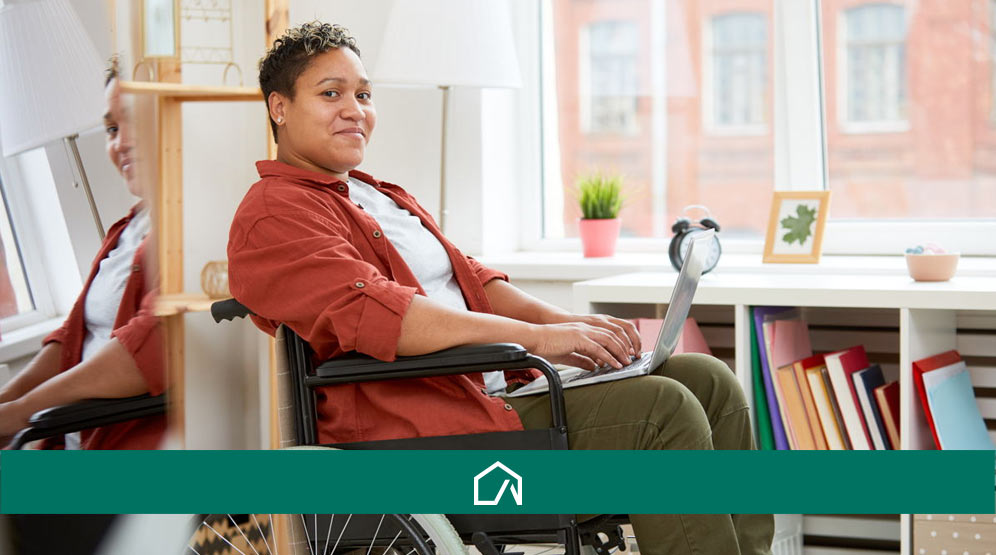
In the United States, there are 61 million adults with disabilities, which translates to about 1 in 4 people experiencing some form of disability, including physical or developmental conditions, as well as chronic mental illnesses.
Many individuals with disabilities find themselves without access to affordable housing, often unaware of their eligibility or the various programs designed to assist them.
Some have relinquished the search for assistance altogether, discouraged by factors such as discrimination and a lack of accessible properties.
*A significant number of complaints regarding discrimination filed with the HUD Fair Housing Enforcement Office come from individuals with disabilities, and these are taken very seriously.
The Fair Housing Act safeguards against housing discrimination based on disability, sex, religion, race, color, national origin, and familial status. If you believe you have faced discrimination in any of these areas, it’s crucial to file a report.
Affordable Housing Options for People with Disabilities
In the US, there are various housing assistance programs, most of which are inclusive of individuals with disabilities.
These initiatives not only aid in securing affordable and safe living arrangements but also enhance overall quality of life. Below is a compilation of several programs and their specifics to guide you in finding the option that best meets your needs.
- Section 8 – Commonly referred to as a Housing Choice Voucher, Section 8 offers housing vouchers to individuals and families with very low income, facilitating access to affordable housing in privately owned properties. In certain instances, utility costs may also be included. This program mandates annual property inspections and eligibility reviews. Notably, 1 in every 3 Section 8 households is led by a non-elderly person with a disability.
- Public Housing – Managed by the city or county’s Public Housing Agency, Public Housing communities provide safe rental options for low-income families, individuals with disabilities, and the elderly. Factors such as income, family size, and immigration status are considered in this program. The Public Housing Authority often conducts background checks to assess past tenant behavior, making it essential to exit previous rentals on good terms.
- Section 811 – Known as the Supportive Housing for Persons with Disabilities program, Section 811 is established to offer housing to low-income individuals with disabilities. To qualify, families must have a very low income and include at least one adult member with a disability.
This encompasses physical disabilities, chronic mental illnesses, and developmental disabilities. While Section 811 typically does not have citizenship requirements, there may be exceptions based on other housing program guidelines. A poor rental history, criminal record, or submission of false information could lead to disqualification.
- NED Vouchers – Non-elderly Disabled vouchers allow families to secure affordable, adequate, and accessible private housing. To qualify, there must be at least one non-elderly disabled individual (under 62 years) in the family. Some Public Housing Authorities (PHAs) may receive additional funding for NED vouchers, so checking these options first can be beneficial. For a list of PHAs with extra NED funding, click HERE.
- Certain Development Vouchers – These vouchers assist disabled families living in developments or rentals designated specifically for senior citizens. This assistance is exclusively for non-elderly disabled families. Eligibility is determined by the area’s median income, consistent with most HUD program guidelines.
It is important for the family to locate a rental unit that meets the PHA’s quality standards. If the monthly rent exceeds the amount permitted by the PHA, families can choose to pay the difference. For comprehensive details on these vouchers, contacting your local PHA is advisable, as each has its own procedures and requirements.
Requesting Accommodation
“Disability accommodation” or “reasonable accommodation” refers to specific requests made to the HUD or PHA when you or a household member has a disability.
This option can assist in finding an affordable living situation that satisfies your requirements or help maintain your current residence if it meets your needs and preferences.
It is crucial to submit these requests in writing and keep any responses for reference. This documentation can be beneficial should any conflicts arise.
Common accommodation requests include extended deadlines, additional bedroom space, and increased housing vouchers. If a disability arises after moving into your current unit, you still have the right to request reasonable accommodations based on your evolving needs.
Farm Labor Housing Programs by USDA Section 514 and 516

Understanding Permanent Supportive Housing
The demand for permanent supportive housing (PSH) is on the rise for individuals experiencing homelessness. Research indicates that this type of housing provides significant benefits for those in need. Permanent supportive housing is a type of subsidized accommodation. It offers…
Emergency Rental Support Initiative

As a result of the COVID-19 pandemic and its negative impact on income and job security, it’s no surprise that some individuals may struggle to manage housing costs and utilities. With many having lost their jobs, family finances often only…