



Are you considering your housing options for the upcoming year? If you're aiming to pursue a career in farming and agriculture, the U.S. Department of Agriculture’s Section 514/516 Farm Labor Housing Program could be a viable solution. This initiative offers…
Understanding Permanent Supportive Housing
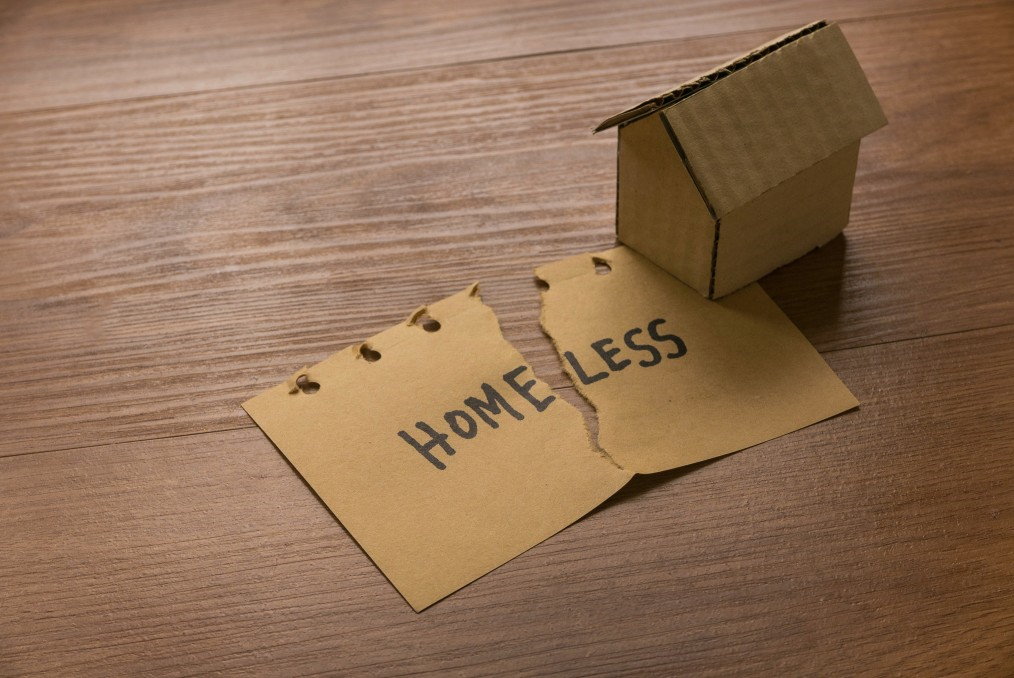
The demand for permanent supportive housing (PSH) is on the rise for individuals experiencing homelessness. Research indicates that this type of housing provides significant benefits for those in need.
Permanent supportive housing is a type of subsidized accommodation. It offers long-term, affordable living arrangements along with support services for people with disabilities or other special requirements who are either homeless or at risk of losing their homes.
This permanent supportive shelter can help disrupt the cycle of homelessness by offering stable, affordable housing for those in need.
Programs focused on Permanent Supportive Housing (PSH) deliver ongoing rental assistance and provide on-site social services to qualifying households. Services include rehabilitation counseling, healthcare referrals, job training, and educational opportunities.
With these support services readily available, individuals who were previously homeless are more likely to secure employment and maintain stable housing over time.
What Permanent Supportive Housing Is Not:
- Transitional housing, which implies that residents are expected to leave after a set duration. Many individuals experiencing homelessness have been in this situation for an extended period and may struggle in other housing environments. This type of PSH has no expiration date or transition plan to another housing arrangement.
- Permanent supportive housing is not a shelter. A resident’s home remains theirs, requiring them to continue paying rent, just like any standard tenant.
How Does Permanent Supportive Housing Work?
As of 2013, permanent supportive housing programs have served about 100,000 individuals. Tenants benefit from rental assistance and access to a dedicated team of social services aimed at addressing medical, psychiatric, or substance abuse issues.
In some instances, tenants may initially pay rent to the city, and then financial assistance is directed towards reimbursing the city, leaving the tenant responsible for the remaining rent. Generally, tenants are expected to allocate 30% of their income to rental costs.
The most prevalent model is scattered-site housing, where tenants reside in private apartments located throughout the community.
A more recent model gaining traction is single room occupancy (SRO), which provides single rooms with shared kitchens and bathrooms to individuals or couples, with access to a communal lounge and office for social interaction.
Permanent Supportive Housing Application
Permanent supportive housing offers assistance to individuals with disabilities and veterans. The objective of this housing model is to help individuals live independently, gain autonomy, and secure employment.
It’s important to note that permanent supportive housing is not suited for everyone and every situation. Prospective applicants undergo screening and assessment prior to acceptance into the program.
To qualify for this program, you need to meet the following criteria:
- You must have a physical or mental health condition that impedes your ability to work.
- You must have a low income.
- Your health issue has either already placed you in poverty or is likely to do so.
- You must be homeless or face the prospect of becoming homeless within the next 30 days.
- You must be addressing addiction issues.
It’s advantageous for applicants to have family or friends nearby who can offer support after they transition into permanent supportive housing.
Accepted applicants will be expected to fulfill the responsibilities of being good tenants. They will also have access to healthcare, treatment, and additional needed services.
Individuals admitted into the permanent supportive housing program will typically be required to contribute 30% of their monthly income.
If some applicants cannot afford to contribute at all, they may still be accepted, provided they commit to finding a way to pay rent after a 90-day period.
Applicants have the freedom to choose their living arrangements and roommates.
Those receiving permanent supportive housing vouchers have 18 months to secure a home before their voucher expires.
What Is a CoC Voucher?
A Continuum of Care (COC) voucher serves as a permanent rental subsidy for low-income adults and families facing chronic homelessness, helping them
The CoC voucher initiative also encompasses supportive services, such as case management, behavioral health and healthcare services, medication support, life skills training, and job assistance.
CoC Eligibility Requirements
To qualify for CoC vouchers, applicants must be low-income adults with disabilities experiencing chronic homelessness.
- Applicants must be homeless or face imminent risk of homelessness, as per HUD’s guidelines. Individuals cannot have been convicted of specific crimes that would exclude them from permanent housing.
- Those deemed ineligible for CoC vouchers may still be able to qualify for general VASH (Voucher Assisted Stable Housing) vouchers through the Department of Public Social Services.
Effectiveness of Permanent Supportive Housing
The permanent supportive housing framework combines affordable living with supportive services to empower individuals to live independently.
Permanent supportive housing may encompass the following services: case management, mental health or addiction counseling, life skills education, medical treatment, benefits advocacy, employment support, and other assistance.
Its primary aim is to aid formerly homeless individuals in
Research indicates that permanent supportive housing significantly mitigates the reliance on emergency services, including hospital emergency rooms and inpatient psychiatric care, proving effective for housing chronically homeless individuals.
Individuals faced with severe mental health conditions, substance use disorders, or overlapping challenges who receive permanent supportive housing can avoid staying in shelters or institutions.
A study examining the effectiveness of permanent supportive housing for homeless individuals with serious mental health concerns revealed that participants experienced notably less time in jail and lower emergency department costs after gaining housing.
An additional analysis from New York City reported significant reductions in hospitalization rates and shorter lengths of stay for chronically homeless individuals who transitioned into
Permanent supportive housing may offer a more cost-effective solution compared to alternative service models such as shelters or transitional housing. This approach operates as a form of mainstream affordable housing that does not necessitate ongoing public subsidy.
Nonetheless, permanent supportive housing relies on consistent support services. It’s crucial that funding for these services remains stable over time to ensure that the savings from decreased dependence on community-based services are maintained.
Challenges Associated with Permanent Supportive Housing
Extensive research has revealed various challenges in implementing permanent supportive housing. The primary issue is securing funding for the housing itself.
This challenge often compels agencies to reduce staff or cut essential services within permanent supportive housing.
Additionally, the availability of apartments for PSH is limited. Many apartments are unaffordable for certain clients who also benefit from government assistance. Consequently, this has led to lengthy waitlists at numerous apartment complexes, extending up to seven years.
Another issue is maintaining residents’ quality of life in permanent supportive housing units. Some individuals report feeling unsafe due to insufficient security, while occurrences of drug or alcohol use among some residents can generate complaints from neighbors and potentially jeopardize the clients’ housing stability.
A significant concern involving permanent supportive housing is the opposition from the community.
Community members often resist such programs, fearing that they may introduce undesirable elements into their neighborhoods. This pushback can hinder the expansion of these essential services.
Frequently Asked Questions About Permanent Supportive Housing
What Distinguishes Rapid Rehousing from Permanent Supportive Housing?
In permanent supportive housing, individuals are given a private residence along with access to on-site support services. These services cater to clients’ unique needs and may encompass assistance with employment, education, life skills, recreation, counseling, and more.
Conversely, rapid rehousing offers a short-term rental assistance (typically ranging from 6 to 12 months) within a private market setting, lacking ongoing support. This approach is frequently utilized for individuals or families experiencing homelessness for the first time, those who have been briefly homeless, or those who have recently found themselves homeless again after leaving a previous housing situation.
Who Determines Eligibility for the Units?
Eligibility for permanent supportive housing is verified by the local Public Housing Authority (PHA).
The PHA assesses an individual’s eligibility against the income limits set by HUD.
Is Living in Permanent Supportive Housing Safe?
PSH represents a safe and affordable housing option. It preserves social networks and tends to yield better outcomes compared to other emergency or transitional housing options, such as emergency shelters or transitional living programs.
Conclusion
Permanent supportive housing serves as a valuable resource for those in need of assistance in finding their homes. For many individuals facing homelessness, securing stable housing independently can be challenging, making permanent supportive housing an excellent avenue for much-needed support.
Permanent Supportive Housing (PSH) encompasses rental assistance vouchers and the management of scattered-site or congregate housing paired with on-site services, allowing individuals experiencing homelessness to transition from the streets or emergency shelters into safe, affordable housing.
Sources:
https://endhomelessness.org/ending-homelessness/solutions/permanent-supportive-housing/
https://nhchc.org/clinical-practice/homeless-services/permanent-supportive-housing/
Don't MissUnderstanding the Section 811 Housing Program for Individuals with DisabilitiesUp NextAccessible Housing Solutions for Individuals with Disabilities
Farm Labor Housing Programs by USDA Section 514 and 516

Understanding the Section 811 Housing Program for Individuals with Disabilities
Who is eligible for Section 811 Housing? To qualify for Section 811 housing, applicants must meet the following criteria: At least one adult member of the household must have a disability, which can include a physical or developmental disability, as…
Accessible Housing Solutions for Individuals with Disabilities

Many individuals with disabilities find themselves without access to affordable housing, often unaware of their eligibility or the various programs designed to assist them. Some have relinquished the search for assistance altogether, discouraged by factors such as discrimination and a…