

It's widely acknowledged that inflation is soaring, and you don’t need to tune in to the news to grasp its impact. The prices for food, gas, housing, and various essentials have consistently climbed over the past couple of years. At…
Heroes of Affordable Housing in Disaster Relief
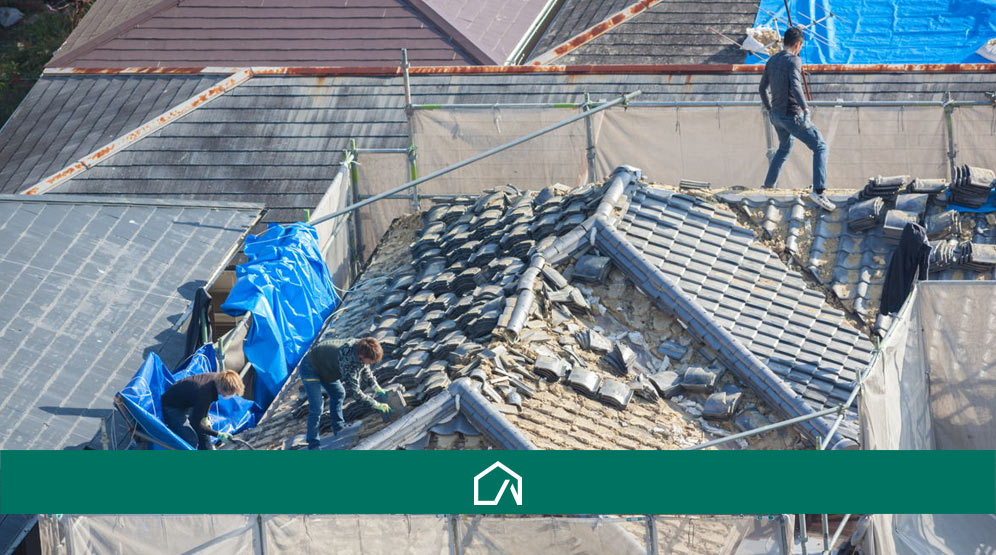
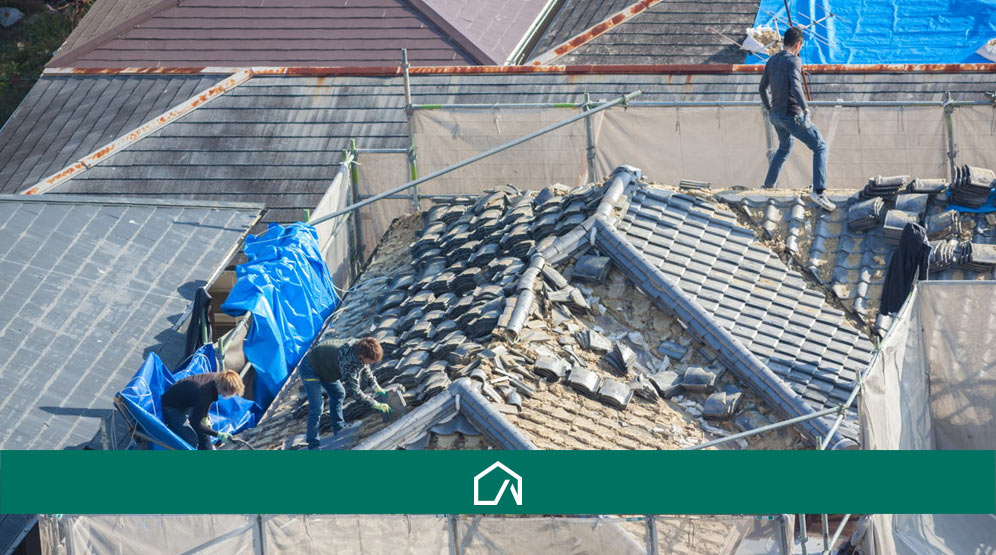
The disaster housing assistance program delivers financial and housing support to individuals displaced by disasters, along with their households who have also been impacted by these events.
This housing assistance initiative caters to those without insurance or insufficient funds to address the damage inflicted by a disaster on their residence. Typically, this disaster assistance program is managed by FEMA, the federal agency responsible for disaster relief.
The Federal Emergency Management Agency, commonly known as FEMA, is a federal body that aids disaster survivors across the United States.
In addition to its relief efforts, FEMA also focuses on disaster prevention and preparation for states facing imminent natural disasters. Among its services, FEMA provides temporary housing, business loans, funeral arrangements, and essentials like food and clothing in response to disasters.
Who Is Eligible for Disaster Housing Relief?
To qualify for the disaster housing relief program, applicants must meet specific FEMA guidelines. There are no income thresholds or salary benchmarks required for disaster households before applying. The criteria include:
- Your primary residence must have sustained damage due to a disaster or related impacts.
- Your household must be situated in a presidentially declared disaster area and currently inaccessible to your family.
- Applicants must successfully pass FEMA’s identity and occupancy verification process.
- You or any household member must be a U.S. citizen or a documented immigrant.
- You currently lack insurance to cover the disaster-related expenses of your home. Households with insurance policies cannot access this disaster relief.
What Does the Disaster Assistance Program Offer?
The disaster housing assistance comes in two primary forms available to affected households: Direct Housing Assistance and Financial Housing Assistance.
Direct Housing Assistance is typically provided once a household is approved for disaster relief. The types of direct housing assistance may include:
- A direct lease that provides affected individuals with a separate existing home for temporary usage, leased by FEMA.
- A multi-family lease, funded by FEMA, for temporary housing in a multi-family rental property.
- Temporary housing units issued by FEMA installed for affected households.
- Permanent housing construction which includes home repairs or the building of new homes for affected households, limited to specific areas that lack other housing assistance options.
Financial Housing Assistance is also provided by FEMA to support households displaced by disasters. Some of the financial assistance includes:
- Rental assistance, allowing households to secure alternative housing for a defined period.
- Home repair assistance aimed at refurbishing or constructing homes, including some utilities and residential infrastructure like driveways and roads.
- Home replacement assistance designated for replacing primary homes damaged by disasters.
- Reimbursement for lodging expenses incurred during short stays in hotels, motels, and other temporary accommodations.
What Are FEMA Hotel Vouchers and How Can I Obtain Them?
Transitional Shelter Assistance, frequently referred to as FEMA’s hotel vouchers for disaster relief, covers the cost of short-term hotel stays for households affected by disasters.
Individuals must first complete and submit the necessary applications to FEMA to be eligible for the TSA Program, which may allow for temporary accommodation in hotels or motels arranged by FEMA.
Note that FEMA covers only the costs associated with the hotel room, excluding additional expenses like food, telephone, laundry, and similar costs, which guests must cover themselves.
A list of participating hotels and motels can be found on the FEMA website; only those establishments will receive direct funding and serve as Transitional Shelter Assistance for disaster survivors for a specified timeframe. After reviewing the list and applying through FEMA, survivors can reserve their rooms and communicate with FEMA for proper documentation.
To check your eligibility for the TSA Program before applying, visit https://www.disasterassistance.gov/ or call FEMA at 1-(800)621-3362.
How Do I Apply For Disaster Relief?
To apply for the disaster housing assistance program, reach out to FEMA at 1-800-621-FEMA (3362) and submit your application via phone.
You can also complete the application online or visit a local Disaster Recovery Center (DRC) for additional assistance.
Disaster Distress Helpline
The disaster distress helpline is 1-800-985-5990 and offers support for natural disasters such as hurricanes and pandemics. The helpline is available 24/7 to provide assistance and counseling for those experiencing mental and emotional distress. For further assistance, you can contact FEMA at 1-800-621-3362 and TTY 1-800-462-7585.
Conclusion
Natural disasters are unfortunately unavoidable, but when they occur, it’s crucial to reach out to your local disaster recovery center or the disaster helpline for necessary assistance, especially if you lack insurance coverage.
Don't MissAffordable Housing Initiatives for ImmigrantsUp NextAffordable Housing Champions in the 40b Initiative
Strategies for Managing Inflation in 2024

Affordable Housing Champions: Inspiring Stories and Solutions

Emergency Rental Assistance Program (ERAP) Understand the Emergency Rental Assistance Program (ERAP), designed to aid low-income households facing challenges in meeting their rent or utility expenses due to financial difficulties. HUD’s New Rules for Section 8 Vouchers Learn about the…
Insights from a Section 8 Landlord

Have you ever questioned what it truly takes for a landlord to approve a Section 8 application? You’re certainly not the only one. Many individuals utilizing housing vouchers are concerned about how to make a favorable impression and secure their…