



Emergency Rental Assistance Program (ERAP) Understand the Emergency Rental Assistance Program (ERAP), designed to aid low-income households facing challenges in meeting their rent or utility expenses due to financial difficulties. HUD’s New Rules for Section 8 Vouchers Learn about the…
Children’s Health Insurance Program Overview
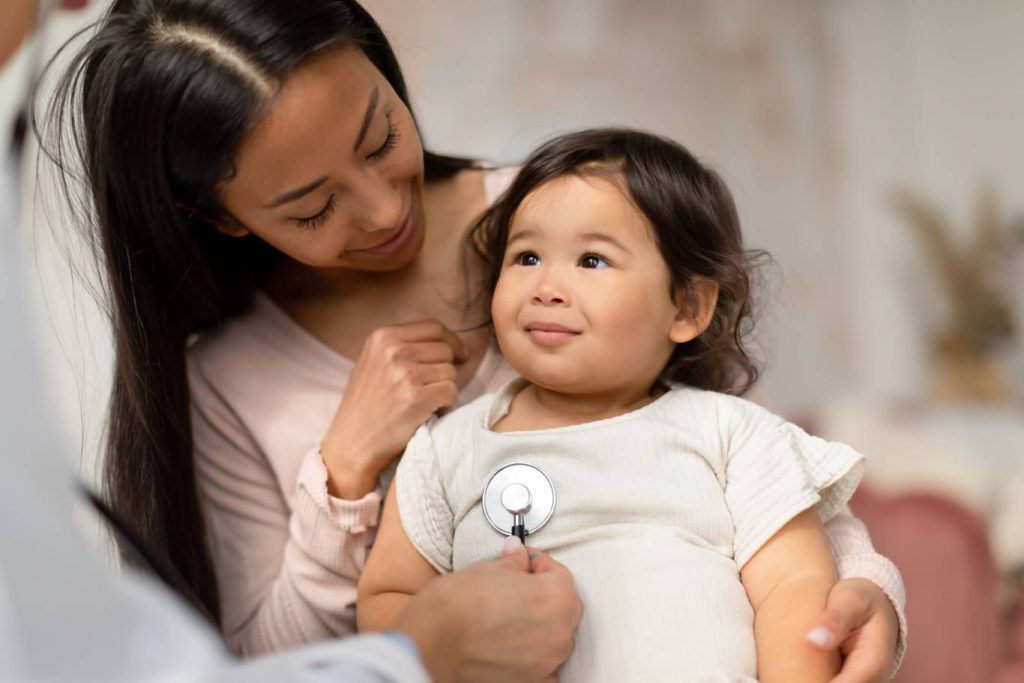
As a caregiver, ensuring your child has access to quality healthcare is a top priority. However, navigating this can be challenging for numerous low-income families. Thankfully, the Children’s Health Insurance Program (CHIP) is here to help.
CHIP is a government-supported initiative designed to provide health coverage for children from low-income families who do not qualify for Medicaid but struggle to afford private insurance. In this article, we will explore the workings of CHIP, its benefits, and the criteria for enrollment.
What does CHIP cover?
CHIP offers an extensive array of pediatric health services, which include:
- Routine checkups and vaccinations.
- Medical consultations and specialized treatments.
- Hospitalization and emergency care.
- Prescription drugs and medical supplies.
- Dental and vision care.
- Mental health treatment and substance abuse counseling – along with physical therapy and other rehabilitation services.
Coverage may vary slightly based on your location. However, certain essential services, such as vaccines and emergency care, are required to be provided by all states. For more details on the specific benefits available in your area, please visit the official CHIP website.
Who is eligible for CHIP?
To qualify for CHIP, children must meet specific criteria, which may vary based on your state, but generally include:
– The child must be under 19 years old; a U.S. citizen or a legal permanent resident; ineligible for Medicaid; and from a family whose income exceeds Medicaid eligibility but falls short of what is needed to afford private insurance.
The income thresholds for CHIP differ by state, though typically, families with incomes up to 200% of the federal poverty level can qualify. Some states may have higher limits. To determine if your family is eligible for CHIP, visit the official CHIP website or directly contact your state’s CHIP program.
How to Compare Your Income to the Federal Poverty Level (FPL)
To assess your eligibility, you’ll need to know your family size and total income. You’ll then determine the federal poverty line for that household size. You can view the FPL for different household sizes here.
For instance, if you’re a single-person household with one earning adult, the FPL is $14,580. If your actual income is $7,500, you would calculate your income relative to the FPL ($7,500 ÷ $14,580), resulting in approximately 0.5144, or 51.44% of the FPL, which may qualify you for CHIP based on your income.
To confirm your family’s eligibility for CHIP, visit the official CHIP website or contact your state’s CHIP program. You’ll find a link with a map at the bottom of the page. Keep reading to explore your eligibility further.
Children with Special Needs and CHIP
Children with disabilities may face specific challenges in obtaining adequate healthcare. Fortunately, CHIP offers tailored benefits for these young individuals.
For example, CHIP includes habilitative services designed to help children with impairments acquire the skills necessary for daily living. These services can include physical therapy, occupational therapy, and speech therapy. CHIP may also provide coverage for assistive devices, such as wheelchairs or hearing aids, enabling children with disabilities to enjoy greater independence.
Additionally, CHIP has a medical home program specifically for children with chronic conditions like asthma or diabetes, offering customized care coordination to help these children maintain good health and manage their conditions successfully.
Children with disabilities must meet the same general eligibility criteria as other participants in CHIP to access these specialized benefits. However, certain states might have additional requirements for disabled children. For more information regarding the benefits available to children with disabilities through CHIP, contact your state’s CHIP program directly or explore the official CHIP website.
Frequently Asked Questions
Is Child Healthcare Free in the United States, and How Is It Funded?
No, child healthcare in the United States is not without cost. However, there are government-funded programs, including Medicaid and CHIP, that provide affordable health insurance options for low-income families.
How Has CHIP Impacted Families Across America?
Since its establishment in 1997, CHIP has delivered essential healthcare services to millions of children throughout the United States. It has significantly decreased the number of uninsured children while simultaneously enhancing health outcomes for those enrolled in the program.
What Are the Income Limits for CHIP?
Families with a child who has disabilities and whose income exceeds Medicaid eligibility might still secure coverage through the Medicaid Buy-In for Children program. This initiative allows families to obtain Medicaid benefits by making a monthly payment.
In Conclusion
CHIP offers a vital solution for low-income families needing affordable healthcare for children who are ineligible for Medicaid yet unable to purchase private insurance. It encompasses a broad spectrum of medical services, including mental health care and medications. Additional support may be available for children with disabilities. For more information, visit the official CHIP website or reach out to your state’s CHIP program.
To find your state’s CHIP program and start the application process online, go here.
Don't MissImpact of Credit Scores on Section 8 EligibilityUp NextUnderstanding the Section 8 Investigation Process in Affordable Housing
Affordable Housing Champions: Inspiring Stories and Solutions

Insights from a Section 8 Landlord

Have you ever questioned what it truly takes for a landlord to approve a Section 8 application? You’re certainly not the only one. Many individuals utilizing housing vouchers are concerned about how to make a favorable impression and secure their…
The Critical Role of Medicaid and Medicare in Healthcare Access

When it comes to maintaining your health and shielding yourself from substantial medical expenses, Medicaid and Medicare are among the most vital programs available in the U.S. They offer assistance to individuals with limited financial means, ensuring access to necessary…