


Imagine having your very own home thanks to Section 8 – it’s not just a dream! Many folks believe Section 8 solely applies to rentals, but there’s an incredible option that allows you to buy a house with your voucher.…
Understanding HUD Violations in Affordable Housing
HUD stands for Housing and Urban Development. This governmental agency oversees the Section 8 program, which offers housing assistance to low-income families through agreements with private landlords or managers of rental housing. Additionally, they investigate instances of fraud.
Understanding HUD violations is crucial since HUD establishes standards for acceptable housing conditions. If your rental unit fails to meet HUD’s criteria, you could potentially lodge a complaint.
What Happens if You Don’t Report Income to HUD?
If you participate in the HUD Section 8 rental assistance program and fail to disclose your income, you may face consequences.
Your first instance of not reporting income will result in a warning letter from HUD. If you ignore this and the issue arises again, they may terminate your lease or decrease your rent subsidy.
Furthermore, HUD will inform your state about the income you neglected to report, which could impact matters such as child support payments.
If a third party reports non-compliance with Section 42 of the Housing Act, you may be liable for a civil monetary penalty (CMP) in accordance with 24 CFR Part 9858 from HUD.
When Is Reporting Income Required?
You are obligated to report your annual income to the local Program Participant Intermediary (PPI) each year you receive assistance. A PPI is a HUD-approved nonprofit organization that helps families apply for and maintain housing vouchers and other rental assistance programs.
It’s also necessary to report any alterations in your income, family size, or address within ten days of the change. This is crucial for ensuring you receive the correct level of assistance.
Forgot To Report Income Section 8?
Did you forget to disclose your income on your HUD application? This is a common oversight, but it’s vital to remember that all forms of income must be reported.
Failing to do so could lead to penalties from HUD, and you might be required to repay any benefits received improperly.
It may be tempting to delay reporting your income, but be aware that any undisclosed funds will be categorized as unreported income by HUD.
If discovered later, HUD can retroactively adjust your rent charges or reduce assistance based on the illegal benefits obtained.
What Happens if You Lie To Housing?
If you are found to be dishonest on your HUD application, you could face criminal charges. Falsifying information on a HUD application is a federal offense and may result in fines or imprisonment.
This issue is common, as many landlords do not adequately inform tenants of their rights. Therefore, it’s vital to understand your HUD housing and Fair Housing rights to avoid future issues with HUD.
Other Possible HUD Violations
Remember that landlords must give you advance notice regarding any repairs or modifications planned for your home, whether it’s painting a room or installing new carpeting.
They are required to notify you before entering your home for repairs. Failing to do so may lead to fines imposed by HUD.
Discrimination against tenants based on gender, race, or religion is strictly prohibited. Additionally, they cannot deny you housing due to credit history issues, such as previous bankruptcies or evictions.
If you are a victim of domestic violence, you have the right to terminate your lease without penalties. You also have the right to reasonable accommodations like changing locks or enhancing security features in your home.
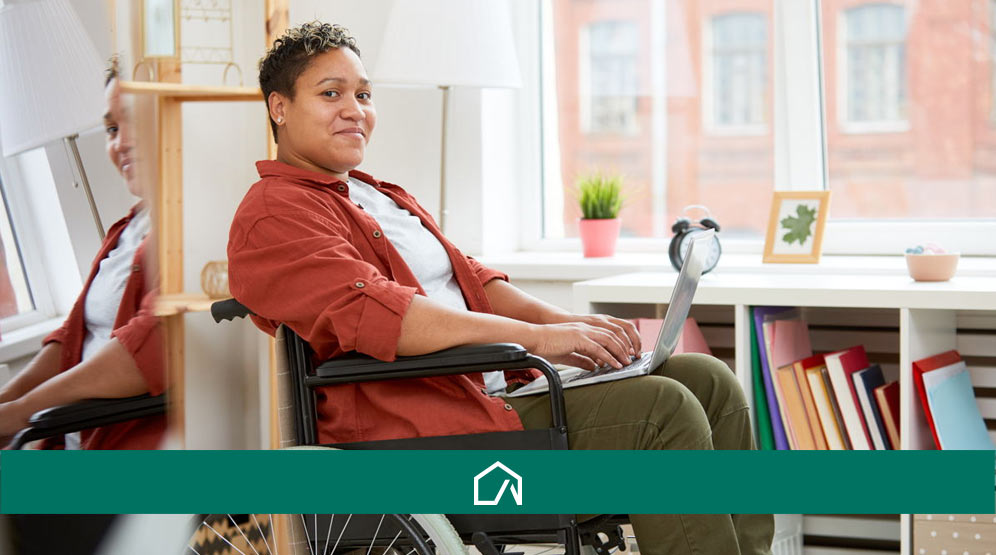
Moreover, landlords must provide reasonable accommodations for tenants with disabilities to facilitate comfortable living conditions.
What Is Section 8 Fraud?
HUD examines cases where owners and managers of rental properties are alleged to have committed fraud related to Section 8 programs. Section 8, or public housing, is a program offering subsidies to low-income families seeking affordable and safe housing.
Tenants or applicants for Public Housing or Section 8 who make false claims about their income or family size, or who fabricate documents, are committing fraud.
Fraud may include, but is not limited to:
- Creating false documents to qualify for a program that they would not be eligible for otherwise.
- Substituting incorrect information on an application, such as incorrectly claiming U.S. citizenship status.
- Providing false statements or documentation when you know this information is essential for qualifying or maintaining participation in a program.
- Concealing assets, income, or other relevant details that would hinder your application from being approved.
Consequences for committing HUD housing fraud can be severe. Offenders can receive fines, face imprisonment, or both. Additionally, anyone found guilty of fraud will likely have their benefits terminated and could be barred from future housing assistance.
It’s crucial to understand that HUD takes fraud very seriously and will prosecute individuals who commit these offenses. If you’re contemplating lying on your application or falsifying documents, reconsider. It’s simply not worth the potential repercussions.
Can You Go to Jail for Section 8 Fraud?
The United States Department of Housing and Urban Development (HUD) treats Section 8 violations and program fraud with the utmost seriousness. If caught or aware of someone engaging in such actions, the consequences can be drastic.
In fact, even a first-time offense for misrepresenting income on an application can lead to imprisonment under federal law. While this is uncommon, it certainly can happen. Any offense resulting in the theft of HUD funds will automatically trigger prosecution and potential jail time.
If you’re considering committing fraud to secure housing, stop right there. The stakes are simply too high. Remember, HUD is always vigilant.
What Is the Enterprise Income Verification (EIV) System?
The Enterprise Income Verification (EIV) System is a computerized database utilized by HUD to fight fraud and abuse within the Section 8 program. The system is designed to provide efficient, accurate, and timely verification of applicants’ claims regarding their income.
HUD’s EIV system is mandatory for all Public Housing Agencies (PHAs) throughout the U.S.
This ensures that applicants for Section 8 housing will automatically have their submissions entered into HUD’s database. Each application is checked against multiple data sources to verify the accuracy of all the provided information, including employment records, asset holdings, and income streams; with a primary focus on independent verification processes to confirm or refute the information submitted.
The EIV system is further employed to identify and monitor potential fraudulent activity involving landlords and tenants accused of participating in or committing fraud within the Section 8 program.
If you’re applying for Section 8…
To effectively navigate the housing system, it’s essential to understand the workings of HUD’s EIV system and the steps you can take to ensure your application remains accurate and valid.
Is There an Asset Limit for HUD?
The Section 8 program provides an excellent opportunity for low-income families to enter the housing market.
While there may not be restrictions on the assets tenants possess in any given year, annual income calculations will still take place, potentially influencing eligibility and overall payments if they exceed certain thresholds.
Interestingly, HUD imposes no asset limit, as long as the assets are not utilized for illicit profits under the program. There are, however, established guidelines detailing what constitutes an allowable asset versus what does not.
Annual evaluations of income and asset levels mean there’s always a possibility for adjustments in the amount of HUD assistance one can receive.
Do Assets Count as Income?
HUD does not classify assets as income; however, they have specific regulations that dictate allowable categories. Despite some misconceptions that asset values may be treated as income for individuals residing in public housing, the reality is a bit more nuanced.
HUD provides guidelines on how much an asset can earn while still meeting Section 8 qualifications, but the ultimate decision lies with individual landlords.
Some landlords may allow public housing residents to retain additional funds without counting assets as income, while others may require the full disclosure of all assets.
It’s crucial to keep in mind that landlord policies can vary, so always consult directly with your landlord if there’s any uncertainty regarding what qualifies as an allowable asset.
Allowable Assets
The following assets are considered allowable:
- House or other dwelling: Only applicable if it is your primary place of residence.
- Bank account funds: Including savings, checking, and money market accounts.
- Stocks and bonds: Assets held within brokerage accounts.
- Life insurance policies: The cash surrender value of these policies.
- Safe deposit boxes: Contents stored within them.
- Cash on hand: Any cash you may physically possess.
- Valuable personal items: Such as boats, jewelry, furniture, personal mementos, and collectibles.
- Burial plots: Providing they are not used for illegal purposes, purchased outright with cash or fully paid for via life insurance policies.
Disallowable Assets
The following items are classified as disallowable assets:
- IRA accounts: The value of IRA accounts cannot be counted as an asset.
- 401(k) or other retirement accounts: Similar limitations apply to these accounts.
- Vehicles: Cars, trucks, motorcycles, and other vehicles do not qualify as allowable assets.
- Real estate investments: Properties for rental or investment purposes are not included.
- Tax-exempt bonds: All types of municipal, state, and federal tax-exempt bonds are excluded.
- Businesses or investments: Profits from any business or investment ventures are not permitted as assets.
If you’re planning to apply for Section 8 housing, understanding what qualifies as an allowable asset is vital. This knowledge will facilitate a smoother application process and prevent delays.
How To Report Section 8 Fraud Anonymously
When you report fraud, you will be prompted to provide your name and contact details; however, you can opt to remain anonymous if that is your choice.
It’s essential to understand that while you can choose to report anonymously, you may not receive updates or information regarding the case. Anonymity is beneficial if you wish to avoid direct contact from the HUD investigator, but it also means that your information may not be utilized in future legal proceedings.
For greater protection when reporting fraud, utilizing an online form or a phone call is recommended over sending an email.
In your report, make sure to provide as much detail as possible, including names, dates, and relevant contact information. Documents such as emails, letters, or photographs can prove invaluable. Additionally, keep all records pertaining to the fraud you’re reporting securely stored.
It’s crucial to act quickly when reporting any suspected HUD violations, whether you are a tenant or a landlord. You can anonymously report fraud by calling the HUD hotline at (800) 955-2232 or through the HUD website.
Conclusion
HUD violations should be taken seriously. Failure to report income or assets can lead to significant consequences, including potential jail time, fines, and other legal repercussions. To safeguard yourself from violating housing laws, knowing when to report your income and assets is essential to avoid penalization for non-compliance with Section 8 regulations.
Even if you believe that a minor issue isn’t significant, it’s critical to report your income to HUD. This ensures that you receive appropriate housing assistance and contributes to preventing Section 8 fraud from occurring in the future. It’s vital to report any changes in your income promptly, as even oversights can lead to complications. We hope this article has provided clarity and answered any questions you might have about HUD violations.
Don't MissEssential Housing Options for Survivors of Domestic ViolenceUp NextAgenda 47: Transforming Family Futures
Navigating Homeownership with Section 8 Assistance

Initiating Your Disability and Social Security Payments

For individuals facing disabilities and unable to work, Social Security and disability benefits serve as a crucial support system. While these programs aim to provide you with necessary financial assistance during tough times, navigating the application process can prove to…
Social Security Payments Reach Record Highs: Will Yours Rise?

Great news for millions across America: Social Security payments hit their all-time highs in 2025. If you're a recipient of Social Security or Supplemental Security Income (SSI), your monthly check has increased this year due to a cost-of-living adjustment (COLA).…