





How does the HUD’s Housing Choice Voucher (HCV) rental assistance operate within the VASH program? HUD-VASH is the result of a robust collaboration between the Department of Housing and Urban Development (HUD) and the Department of Veterans Affairs (VA), aiming…
Emergency Housing Support Initiative

In light of the COVID-19 pandemic and the resultant challenges to income and job stability, it’s understandable that many individuals are struggling with housing expenses and utility bills. With numerous people having experienced job losses and the family budget barely covering basic necessities, government support has become increasingly crucial.
The government has established a rental and utility assistance initiative, which is managed under the Emergency Rental Assistance Program (ERAP), aimed at supporting low-income households.
The Emergency Rental Assistance Program (ERAP) is a government-initiated program designed to provide financial aid for rent and relief to low-income households. Those experiencing financial challenges related to rent due to the impact of COVID-19 are typically eligible for this assistance.
ERAP was created through the Consolidated Appropriations Act of 2021, which was signed into law on February 5, 2021, by Governor Wolf. Following the enactment of this law, the Department of Human Services (DHS) has been empowered to implement and manage the ERAP program by the federal government agency.
The ERAP program helps households pay off rental arrears that have accumulated from 2020 and directs assistance to landlords or property owners.
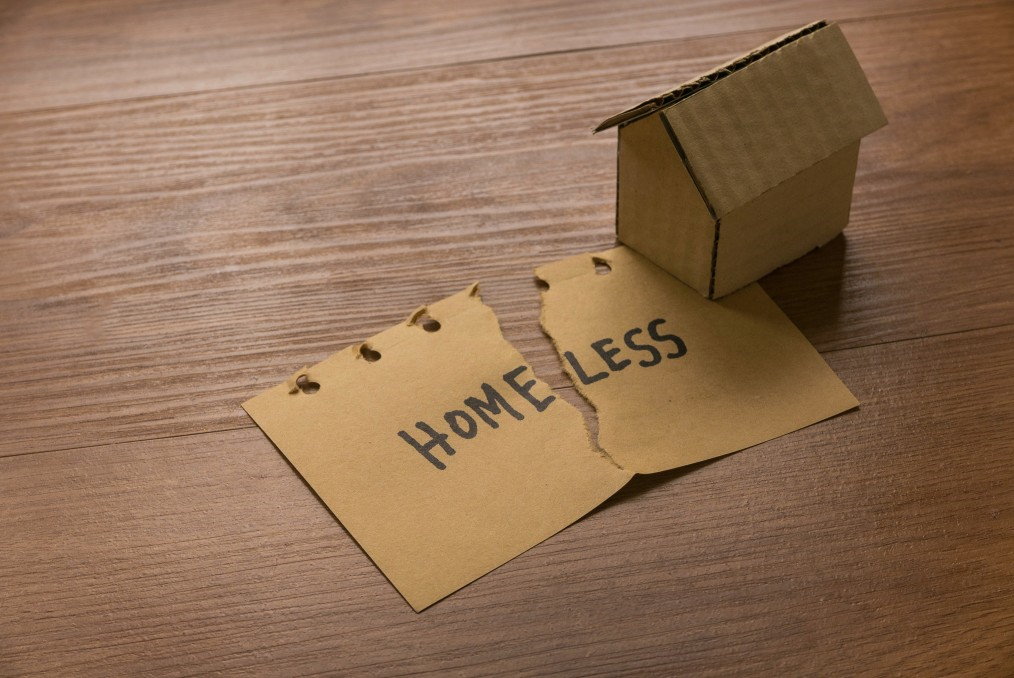
This initiative ensures that families maintain their housing stability and are protected from eviction or homelessness as a result of the pandemic’s challenges. The government is heavily invested in this housing relief strategy as a means to decrease the number of homeless individuals across the nation.
ERAP is primarily focused on low-income households facing difficulties with rental payments by addressing overdue rents, along with household utility bills, such as trash collection, sewer services, electricity, gas, and water, as well as other related expenses, directly to property owners or utility companies.
The rental assistance encompasses nearly all types of rental properties, including rental units, motels, boarding homes, trailers, and long-term hotel housing.
Who is Eligible to Apply for ERAP?
To enroll in this housing assistance program, applicants must meet all criteria set forth by the agency. Tenants can apply on their own or landlords can submit applications on behalf of their current tenants to access the relief funds.
Regardless of who initiates the application, both the landlord and tenant must participate in the completion of the process, as various sections require input from both parties. Anyone can initiate the application, and the other party will receive an email prompting follow-up actions.
It’s essential for landlords and tenants to have a discussion about this application procedure to ensure smooth collaboration. Some of the criteria for tenants include:
- The head of the household or other family members must be US citizens to qualify for assistance, as a social security number will be required.
- The household must have a history of paying rent on the residence and is currently experiencing difficulty maintaining payments.
- One or more members of the household must qualify for unemployment benefits or show a decrease in income that aligns with low-income household standards.
- The household must provide evidence of having been financially impacted, either directly or indirectly, by the COVID-19 pandemic.
- The household must demonstrate a risk of housing instability or potential homelessness due to financial challenges and possible eviction if assistance is not provided.
- The household’s income should be at or below 80% of the Area Median Income (AMI) for the state submitting the application.
For Landlord’s Application
Landlords and property owners are required to submit specific documents that will enable their tenants to access ERAP funding. Coordination with tenants to provide the necessary information is essential. Below is a list of required documentation:
- A completed W-9 tax form should be submitted through the ERAP portal under the owner account.
- Documents relating to the lease or tenant application and payment records for the last full rent, including the tenant’s monthly obligations and unit address.
- Documentation of the rent owed by the tenant must be submitted, detailing the past due amounts along with any applicable late fees.
- Bank details for the landlord are required for direct deposit information on the ERAP portal.
Before submission, the landlord or property owner must sign the application form and certify that all included information is accurate. Additionally, there are several conditions to which the property owner must agree upon signing the ERAP agreement:
- The property owner must agree to accept ERAP rental payments, which will cover the tenant’s rent for all time periods specified by the payment.
- The landlord must agree to waive any late fees on the rental arrears covered by the ERAP program.
- There shall be no increase in monthly rental fees at the time of the ERAP application, nor for approximately one year thereafter.
- No eviction for lease expiration reasons may occur for the tenant benefiting from ERAP payments for at least one year after receiving funding.
How do I Apply for ERAP?
Applications can be submitted online, or if accessing the internet is not feasible, directly to the county. To facilitate the application, certain information will be required, including:
- Identification information for any household member, which could be a driver’s license, state-issued ID card, or passport.
- Current income details for all household members over the age of 18 or proof of unemployment for working individuals.
- Tenant lease or a letter from the landlord confirming the total rent owed by the household.
- Your landlord’s contact information will be necessary to ensure their cooperation in the application process.
- Proof of utility expenses and bills that require payment, such as water, electricity, and gas.
For more information, please visit: https://home.treasury.gov/policy-issues/coronavirus/assistance-for-state-local-and-tribal-governments/emergency-rental-assistance-program
Don't MissFinding Affordable Housing Options in Your AreaUp NextUnderstanding the Responsibilities of the US Department of Housing and Urban Development
VASH Program for HUD HCV Rental Assistance and VA Support

How to Preserve Your Section 8 Status Amid Recent Losses for 17000 Families

Maria Santos had been on the waiting list for nine years. Nine years on Houston’s Housing Choice Voucher list, checking her mailbox daily, hoping for positive news. Then it finally came in May 2025: a letter stating she had 60…
Overcoming Homelessness: Strategies for Success

The recent initiative launched by HUD, the United States Department of Housing and Urban Development, aims to address the escalating issue of homelessness by equipping at-risk individuals with the necessary resources to prevent them from ending up on the streets.…