



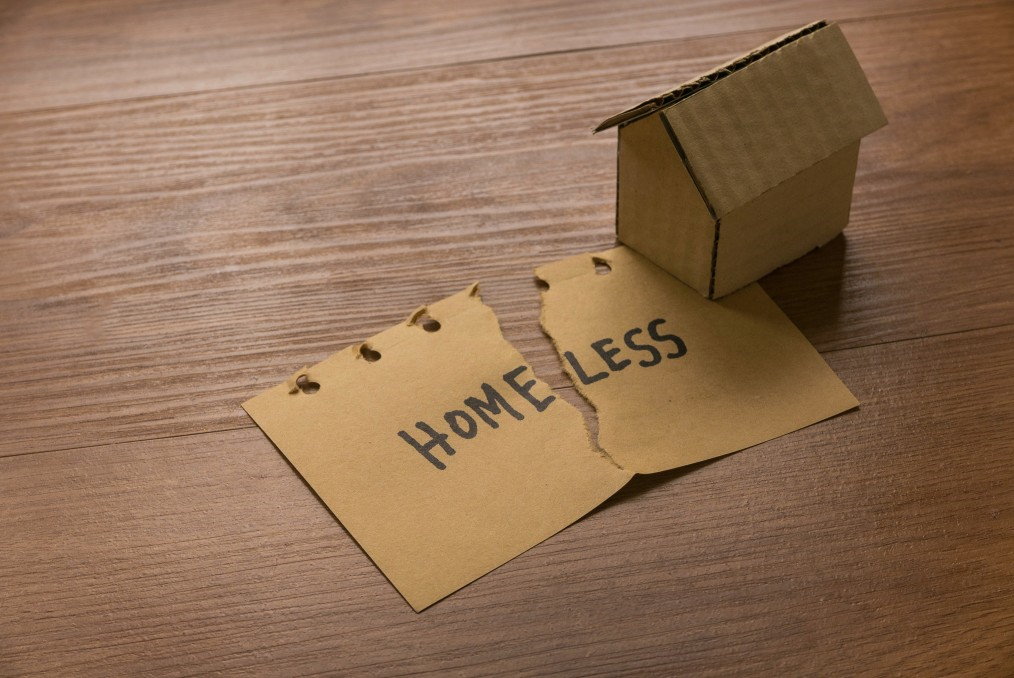


If you're finding it challenging to pay for food or clothing, the HUD Find Shelter tool can be of assistance. Many assume this government resource solely helps in locating emergency shelters, but it also links you to food pantries, soup…
Overview of the Home Affordable Refinance Program

The Home Affordable Refinance Program (HARP) emerged in the aftermath of the 2008 housing crisis. Its primary aim was to support homeowners in refinancing mortgages that were underwater—situations where the loan amount surpasses the value of the home.
The Home Affordable Refinancing Program was established to aid homeowners in managing their mortgage obligations and to prevent loss of homes.
While the HARP program officially concluded in December 2018, new initiatives have been introduced to assist homeowners who find themselves owing more than their property is worth when refinancing their loans.
In Nigeria, several replacement initiatives are focused on utilizing technology to enhance financial inclusion. These programs provide loan services that can help settle mortgages and fulfill other financial needs.
Essential Information About the Home Affordable Refinance Program
In the wake of the 2008 financial collapse, numerous American homeowners discovered they were underwater on their home loans, primarily due to a significant decline in real estate values nationwide.
A borrower is deemed underwater or upside-down when their loan balance exceeds the current value of the property securing it.
The Home Affordable Refinance Program (HARP) was made available through collaboration with Freddie Mac and Fannie Mae, specifically for mortgages acquired by either entity.
Homeowners were required to have mortgages sold to Freddie Mac or Fannie Mae prior to May 31, 2009, to be eligible for HARP.
To curb the escalating rate of foreclosures and to assist those victimized by subprime lending practices post-crisis, the federal government initiated the Home Affordable Refinance Program (HARP) in 2009.
Participation was restricted to borrowers who met specific qualifications, including being current on mortgage payments and ensuring the property was in satisfactory condition.
Those who had defaulted or vacated the property were not eligible for participation in the program. Any lender could assist a borrower with a HARP refinance. The program concluded on December 31, 2018.
The Distinction Between the Home Affordable Refinance Program (HARP) and the Home Affordable Modification Program
Another initiative created to mitigate foreclosures after the market crash was the Home Affordable Modification Program (HAMP), which ended in 2016, prior to HARP’s conclusion.
These programs catered to borrowers who had already defaulted on their loans or were at risk of doing so.
Unlike HARP refinances, these options were tailored for borrowers who had already defaulted. To modify a mortgage, borrowers needed to secure approval from the lender, which could impose various qualification requirements.
A modification alters the terms of the mortgage note differently compared to a traditional refinance.
While a borrower’s credit report may reflect changes to the mortgage terms due to a modification, this is distinct from a refinance. Modifications may impact future creditworthiness and potentially incur additional tax obligations for borrowers due to any discharged debt.
Advantages of HARP Replacement Programs
If you are in an area with significant negative equity, HARP replacement programs offer several noteworthy benefits.
1. They Are Reusable
Unlike the original HARP program, which provided borrowers a single opportunity for a lower interest rate throughout the loan’s lifecycle, the new HARP replacement initiatives allow qualified individuals to refinance as frequently as it makes financial sense.
2. Mortgage Insurance Transfers to New Loans
If a borrower made a down payment of less than 20% on their mortgage, their mortgage insurance can transfer to a new loan. Therefore, even if the home value has declined, there’s no need for new mortgage insurance as the existing Private Mortgage Insurance (PMI) will carry over to the new loan.
3. Requires Less Financial Documentation
The documentation needed for a HARP replacement mortgage is less demanding compared to that for a standard refinance. Borrowers may secure a HARP replacement mortgage even after facing significant financial or credit challenges. Lenders do not have to document income or assets to the same extent as in a conventional refinance.
4. Potential for an Appraisal Waiver
In many circumstances, lenders do not assess an individual’s debt-to-income ratio (which compares monthly debt to monthly income). Depending on the home’s location or its current value, an appraisal might be unnecessary.
5. Eligibility Despite Recent Credit Issues
Individuals may still qualify for a HARP replacement mortgage even after experiencing bankruptcy or foreclosure proceedings, as the usual waiting period may be waived.
Frequently Asked Questions
Can I refinance my loan under HARP if I am current on my payments?
Yes, you can. Homeowners who are current on their payments but have been unable to refinance due to a drop in their home value may find HARP beneficial.
Fannie Mae and Freddie Mac will allow refinancing on mortgages they own or insure, regardless of payment status.
How can I find out if my loan is owned or guaranteed by Fannie Mae or Freddie Mac?
If you are uncertain whether Fannie Mae or Freddie Mac owns or guarantees your mortgage loan, it’s best to inquire with your mortgage lender or servicer.
Locating Free Food and Clothing Assistance Through HUD

Discovering No-Cost Sober Living Options

Finding a supportive sober living environment is essential for anyone in recovery. It's about more than just having a place to stay; it’s about establishing a setting where you can heal, develop, and continue along the path to lasting sobriety.…
Examining Barriers to HUD Housing Access Due to Discrimination

If you've ever applied for HUD housing or know someone who has, you've likely heard how challenging it can be to secure approval. However, the process involves more than just enduring lengthy wait times. Discrimination poses a significant barrier in…