



Your Affordable Housing Heroes have consistently aimed to foster a positive impact in our nation, offering valuable resources to assist those in need to navigate government initiatives and secure the housing they rightfully deserve. Now, we have a unique chance…
Unseen Expenses of Homeownership

If you’re considering purchasing a new home this year, the low mortgage interest rates and a vibrant real estate market might have caught your attention.
You’ve likely set up a budget to determine your potential monthly payments. After contemplating various options, you’ve arrived at your financial limit. However, before you declare, “I can afford that,” while house hunting, have you accounted for some additional costs?
The often-overlooked expenses beyond just the mortgage payment can surprise many aspiring homeowners. To help you budget effectively, here are some hidden costs associated with home ownership.
These expenses can take many prospective homeowners by surprise.
Real Estate Taxes
Property taxes are pivotal costs to consider when buying a home. Typically, these taxes are paid monthly alongside your mortgage. They go to your local county or municipal taxing authority.
Property taxes will vary based on the assessed value of your home, and these rates differ from one state to another.
Your payments help fund local public services such as schools, infrastructure projects, and the salaries of state and municipal employees.
Additionally, these taxes may cover essential community services like water and sewer improvements, libraries, law enforcement, fire prevention, and road maintenance.
It’s important to note that if property taxes go unpaid, the taxing authority can place a lien on your property. Always conduct a thorough check for existing liens before purchasing any property.
Moving Charges
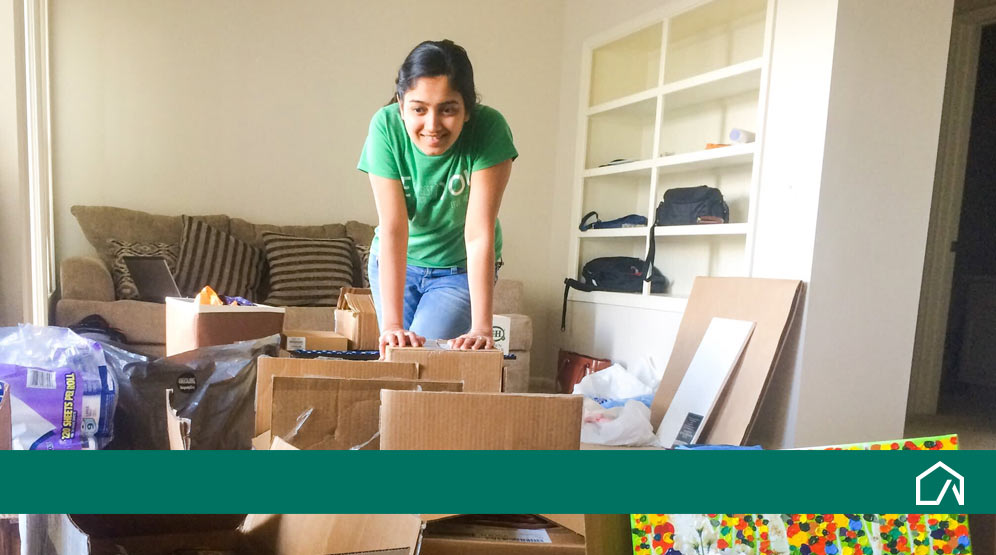
Relocating your belongings to your new abode comes with a price tag.
Many individuals overlook this expense. Whether you opt for a rented truck or hire professional movers, costs can vary depending on the distance of your move.
Professional moving services typically run around less than $1,500, but this can fluctuate based on truck size, the volume of items moved, distance, and seasonal demand.
Closing Expenses
It’s vital to differentiate between closing expenses and down payments. While a down payment represents the buyer’s initial payment, closing costs generally amount to 3% to 6% of the home’s purchase price.
Closing costs encompass a variety of charges, such as insurance, inspection fees, commissions, and interest. Early budgeting can help you avoid draining your emergency fund to cover these costs. The actual amount you’ll pay will depend on several factors, including the mortgage type and your property’s location.
Engaging a real estate professional can be quite beneficial, as different regulations apply based on your city or state. By comparing quotes or negotiating, you might be able to lower these costs.
While buyers typically cover most closing expenses, sellers also have some fees. For sellers, the largest expenditure is usually the commission paid to real estate brokers, which typically ranges from 5% to 6% of the sale price.
Condo Fees and HOA Dues
If you purchase a home in a homeowners’ association (HOA) or condominium, you can expect to pay a monthly or quarterly fee. Not all homeowners participate in an HOA, but these organizations typically operate within specific communities or condominiums.
This fee usually covers shared services such as trash collection and snow removal. The association might also allocate funds for building maintenance, community amenities, and yard upkeep.
Be sure to factor this expense into your affordability calculations, as it is separate from your mortgage and property taxes.
Your HOA may also impose special assessments for significant projects, like repaving parking lots or enhancing security systems.
Homeowner’s Insurance (HOI)
Your mortgage lender is likely to require homeowners insurance, which protects your property and belongings in the event of disasters like fires.
Even those who buy their homes outright should consider obtaining home insurance.
Furthermore, it’s essential to understand what your policy excludes. Typically, standard homeowners insurance doesn’t cover damage from floods, earthquakes, or theft.
Once you comprehend your policy’s coverage limits, you can decide whether to acquire additional policies to safeguard your property. Keep in mind, however, that these supplementary insurances, such as flood coverage, could become costly, especially if you live in a flood-prone area; average flood insurance premiums were around $708 annually as of 2021, though costs can vary greatly based on location.
Mortgage Insurance (PMI or MIP)
Mortgage Insurance (PMI or MIP) is required for traditional loans where the borrower has made a down payment of less than 20%.
For loans backed by the Federal Housing Authority (FHA), a Mortgage Insurance Premium (MIP) is mandatory.
Both PMI and MIP provide protection to the lender in case of default. For properties valued at around $250,000, PMI or MIP could add $100 to $200 to your monthly mortgage payment.
The HVAC System (Heating, Ventilation, and Air Conditioning)
As your existing HVAC system ages, replacement may become necessary. Routine filter changes are essential for maintaining optimal performance in both heating and cooling systems. Homeowners should inspect their HVAC systems at least once a year.
Several companies offer service plans, which can help reduce the cost of annual inspections, provide semi-annual checks, and include perks like discounted parts and emergency service rates.
Plumbing
No matter where you live, you may occasionally encounter minor plumbing problems, like clogged drains, which are relatively easy to fix with some basic plumbing knowledge.
However, older homes might present more significant plumbing challenges. These properties often contain zinc-coated iron pipes that lose pressure due to mineral buildup over time, necessitating replacements.
Additionally, be vigilant about potential lead contamination in your water, stemming from older pipes. Sometimes, plumbing issues originate within the home, while in other cases, the problem lies with the pipes connected to the public supply.
Gardening and Lawn Maintenance
Keeping your garden tidy will require either a personal commitment or hiring a specialist. If you have a substantial property, you might also need…
Items such as a leaf blower or lawn mower are essential.
Some homeowner associations (HOAs) include lawn maintenance as part of their monthly fees. However, this often means an increase in HOA dues.
Utilities
Most people are familiar with paying for utilities like cable, internet, water, and sewage prior to becoming homeowners.
While you may have some bills covered during your rental period, once the home is yours, it’s wise to be ready for higher utility costs.
Engaging with your neighbors can be an excellent way to gather information about utility rates in your area, helping you to create a budget for these additional expenses.
Decoration
The expense of decorating and furnishing your new home is a common oversight. When you move in, you might find your new space lacking essential furniture.
It’s important to factor in costs for new furnishings, paint, curtains, and other decor, as these can add up quickly.
Pool, Patio, or a Deck
Whether you’re adding a new pool or patio or maintaining one that already exists, there are various costs involved, including installation, upkeep, and management.
Even if the deck is in good shape upon purchase, maintenance expenses—particularly for wooden structures—should be considered to keep your outdoor spaces in prime condition.
Security Services
Feeling secure in your new home is paramount. If your residence is equipped with a hardwired security system and you opt to utilize it, be prepared for the ongoing monitoring fees.
The Roof
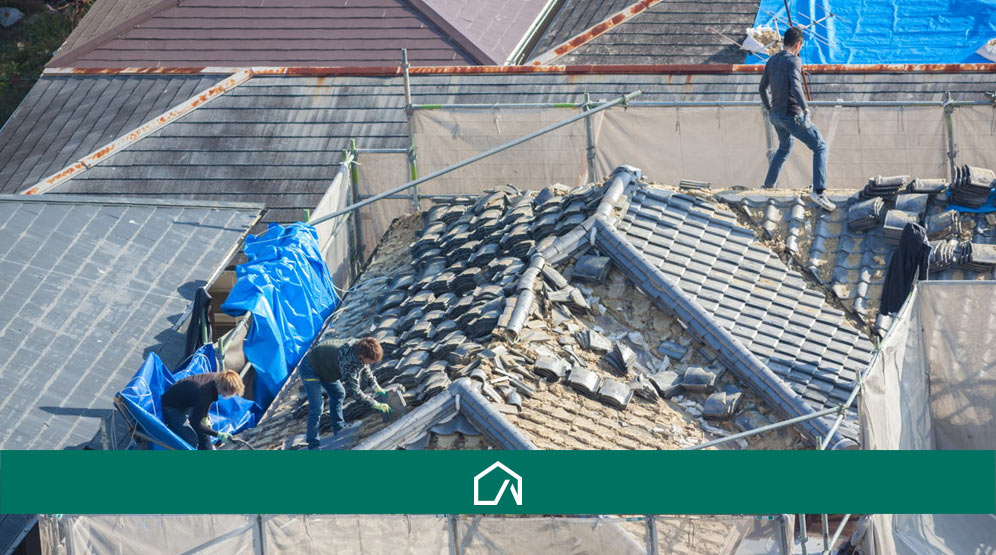
New homeowners should prioritize addressing any visual issues with their roof, such as missing shingles or signs of wear. A leaking roof can detrimentally impact both the exterior and interior of your home as well as your finances.
What Are the Advantages of Home Ownership?
There are numerous benefits to owning a home, with one of the most significant being the potential to build equity.
The value of your home contributes to your equity. As you pay down your mortgage or as the market value of your home appreciates, your equity increases naturally.
Making extra payments on your mortgage can further enhance this growth. Additionally, homeownership can lead to tax advantages while helping you build credit.
Conclusion
Before you receive your keys, it’s essential to be aware of the financial responsibilities that come with purchasing and owning a new home. Many people tend to focus solely on their monthly mortgage payments when calculating the costs associated with homeownership. However, it’s also important to consider property taxes, insurance, and ongoing maintenance and repair costs.
Don't MissConsequences of Housing Shortage for Low-Income FamiliesUp NextOverview of the Home Affordable Refinance Program
Join Us in Expanding Affordable Housing Opportunities

VASH Program for HUD HCV Rental Assistance and VA Support

How does the HUD’s Housing Choice Voucher (HCV) rental assistance operate within the VASH program? HUD-VASH is the result of a robust collaboration between the Department of Housing and Urban Development (HUD) and the Department of Veterans Affairs (VA), aiming…
How to Preserve Your Section 8 Status Amid Recent Losses for 17000 Families

Maria Santos had been on the waiting list for nine years. Nine years on Houston’s Housing Choice Voucher list, checking her mailbox daily, hoping for positive news. Then it finally came in May 2025: a letter stating she had 60…