
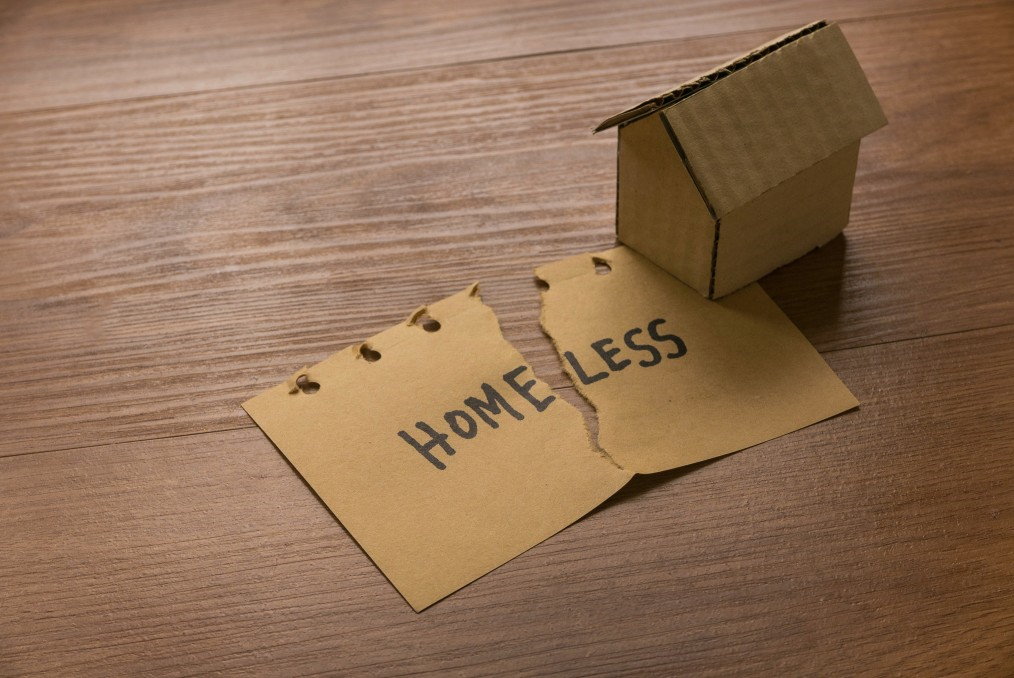


The recent initiative launched by HUD, the United States Department of Housing and Urban Development, aims to address the escalating issue of homelessness by equipping at-risk individuals with the necessary resources to prevent them from ending up on the streets.…
VASH Program for HUD HCV Rental Assistance and VA Support
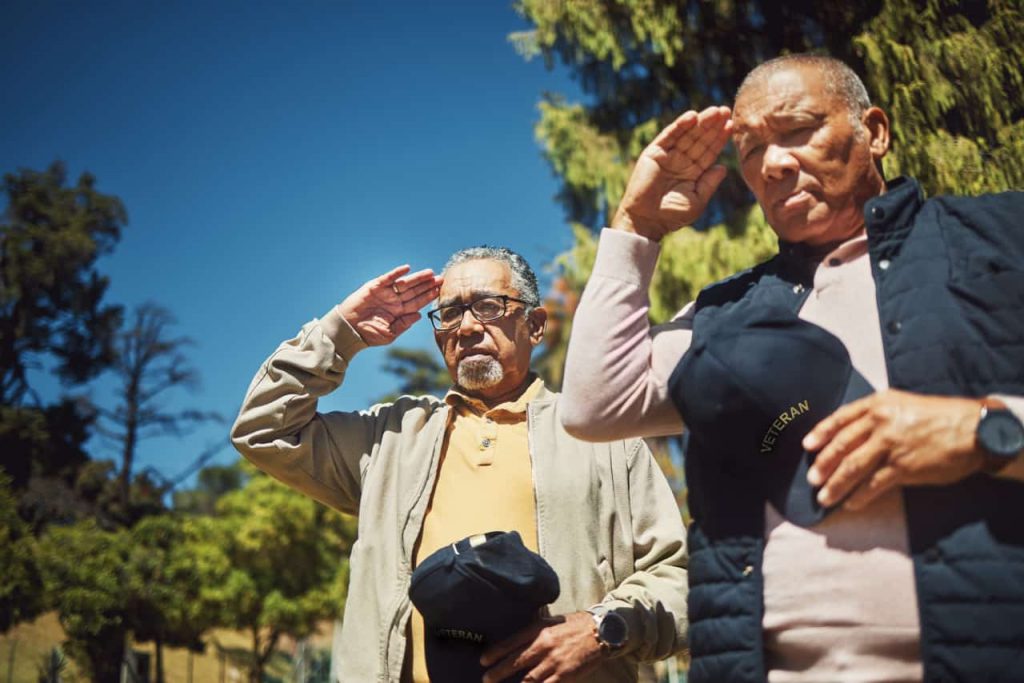
How does the HUD’s Housing Choice Voucher (HCV) rental assistance operate within the VASH program?
HUD-VASH is the result of a robust collaboration between the Department of Housing and Urban Development (HUD) and the Department of Veterans Affairs (VA), aiming to provide essential support for our homeless veterans.
This initiative blends HUD’s Housing Choice Voucher (HCV) rental assistance with the comprehensive case management and resources offered by the VA. This combination aids veterans on their journey toward secure housing, complete recovery, and ultimate independence. HUD-VASH stands as a significant beacon of hope for those navigating the challenges of homelessness.
Moreover, this collaboration effectively addresses two critical objectives: enhancing services for veterans and combatting chronic homelessness. The HUD-VASH program places a strong emphasis on supporting homeless veterans with immediate needs, sending a clear message: We honor your sacrifices, and we are here to support you.
National Call Center for Homeless Veterans
The National Call Center for Homeless Veterans serves as a 24/7 lifeline, providing assistance to those veterans facing imminent homelessness. Working in partnership with local VA medical centers, it guarantees a safety net for vulnerable veterans during difficult times. Remember, help is just a call away at 1-877-4AID-VET (1-877-424-3838).
U.S. Department of Housing and Urban Development-VA Supportive Housing Program
The teamwork between HUD and the Veterans Affairs Supportive Housing Program (VASH) presents a united front, delivering rental assistance from HUD complemented by compassionate case management and support from VASH. This joint effort ensures that when challenges arise—such as limited housing options—there’s a powerful team advocating for your housing needs.
Program Implementation
Let’s take a closer look at the intricacies of the HUD-VASH program to see how it functions. While it may seem daunting, breaking it down reveals a straightforward approach. Initially, housing agencies and Veterans Affairs representatives come together to assess the local situation. They evaluate the extent of homelessness, available resources, and viable strategies for implementation, all aimed at fostering stable housing while promoting independence among veterans.
One of the standout features of this program is the Project-Based Vouchers (PBV). Here’s how they function: these vouchers enable families to occupy specific housing units linked to HUD contracts. These units often come with on-site supportive services—offering the amenities that make life easier and more enjoyable.
Here’s an interesting point: Public Housing Agencies (PHAs), responsible for managing voucher distribution, can convert existing HUD-VASH vouchers into Project-Based Voucher assistance. If you’re wondering about the benefits, envision your neighborhood transforming into affordable housing for fellow veterans, creating a community-focused and supportive atmosphere. In theory, your local PHA could turn an entire building into accessible veteran housing, enhancing community spirit!
These Project-Based HUD-VASH vouchers can be particularly beneficial in urban areas where finding affordable housing is challenging. They provide a pathway for veterans, who often face homelessness, to secure safe living spaces. Allocation of these vouchers is based on several essential factors to ensure fair and effective distribution.
However, PBVs do have limitations. While they provide desirable housing options, the project-based nature means the voucher is tied to the unit and isn’t ‘portable.’ Should you consider relocating or seize a job opportunity out of state, a regular voucher would follow you, but a PBV will remain with the unit.
On a positive note, the dedicated individuals managing these programs are exploring ideas to enhance the ‘mobility’ and ‘portability’ of HUD-VASH vouchers. This means that, in the near future, you may be able to take your PBV along with you! Discussions are underway between our housing commission and the VA, and if successful, it could significantly benefit thousands of veterans. Keep your fingers crossed!
A Peek into the HUD-VASH Resource Guide
Are you ready for an in-depth exploration of the HUD-VASH collaboration? Grab your gear and dive into the HUD-VASH Resource Guide.
This guide serves as a comprehensive roadmap to assist homeless veterans. Packed with case studies, practical exercises, and numerous helpful links, it’s an invaluable tool for program managers, case managers, social workers, and treatment specialists working to combat veteran homelessness. It contains worksheets that will save you time and effort!
Examining VHA Directive 1162.05
VHA Directive 1162.05 acts as the comprehensive framework governing the VA under the HUD-VASH program. It stands as the national directive, outlining the program’s operations, including how the VA will streamline, assess, and evaluate HUD-VASH services and the distribution of funds to VA medical facilities. In short, it’s the VA’s strategic plan for the HUD-VASH program.
A Visit to HUD’s Veteran Information Page
If you’re on the lookout for reliable information, check out the HUD’s Veteran Information Page. This resource offers comprehensive updates, tools, and information tailored for veterans, making it your go-to destination for anything related to the VASH program.
HUD-VASH Voluntary Reallocation and Recapture
What happens when circumstances shift? For instance, if there’s an increased demand for these valuable services in Austin, Texas, compared to sunny Florida, do our veterans in Texas get left behind? Not a chance! Enter the HUD-VASH Voluntary Reallocation and Recapture process.
In simple terms, this process allows HUD and the VA to reallocate resources based on veterans’ needs. Think of it as a draft trade in the NFL, but instead of exchanging players, we’re redistributing HUD-VASH vouchers where they’re needed most.
Recapturing is just the process of gathering unused HUD-VASH vouchers and reallocating them to areas where they can have a greater impact. If a veteran chooses to move away, their HUD-VASH voucher can be recaptured, ensuring it doesn’t go unutilized. These methods guarantee every dollar allocated to the HUD-VASH program is put to beneficial use, ensuring no veteran is neglected. Talk about a touchdown for our heroes!
Tools and Resources
If you’re a video learner, there’s a series…
on webinars available on the website covering a range of subjects, from an in-depth understanding of the HUD-VASH program and housing choice voucher to effective collaboration with your local Public Housing Agency (PHA). Consider these webinars as your personal Masterclass on all things HUD-VASH. They offer insights that are as illuminating as a TED talk and, best of all, they come at no cost.
The HUD-VASH Leasing Schedule Templates are particularly valuable, providing a well-organized timeline for veterans as they maneuver through rental assistance processes while ensuring they make the most of their housing benefits. These templates are vital for structured planning.
Support for Veterans
Veterans’ National Resource Directory
Have you ever felt like you were navigating a complex maze? That’s often the experience for veterans looking for assistance programs. Think of the Veterans’ National Resource Directory (NRD) as your GPS for veteran services. This comprehensive resource offers a plethora of information ranging from job training to crisis intervention, perfectly complementing the Veterans Affairs Supportive Housing (VASH) program.
Interestingly, non-veteran homeless service providers are taking cues from the VA’s innovative approaches — a testament to the outstanding work being done by the VA. Additionally, Native American veterans can also access support through tribal HUD-VASH programs.
U.S. Interagency Council on Homelessness (USICH) Veterans Page
The U.S. Interagency Council on Homelessness (USICH) aims “to coordinate the federal response to homelessness and to foster a nationwide partnership at all levels of government and in the private sector to reduce and ultimately end homelessness in the country while enhancing the effectiveness of the federal government in addressing this issue.”
Eligibility and Requirements
To qualify for the Veterans Affairs Supportive Housing (VASH) program, a veteran must satisfy specific eligibility criteria. First and foremost, the individual must be a veteran. While this may seem obvious, it’s crucial to underscore that the program is tailored for those who have served in the U.S. Military.
Eligibility for VA health care services is another key requirement. This means that the veteran must have served in active military, naval, or air service and separated under conditions other than dishonorable. It’s akin to being part of an exclusive club, one that ensures those who have served the country have access to necessary health care.
Moreover, the veteran must be homeless or at imminent risk of homelessness. This is a vital consideration, as the VASH program focuses on providing stable housing for veterans in critical need. It acts as a safety net for those on the verge of losing their homes.
Finally, the veteran must be willing to engage in case management services to receive rental assistance. This is much like having a personal coach, helping guide the veteran through various challenges. It’s not solely about providing shelter but also about delivering the support necessary to maintain it.
What is OTH?
In military language, OTH stands for ‘Other Than Honorable’ discharge. This category represents one of the potential discharges a service member can receive upon finishing their military tenure. It’s essential to recognize that this is the most serious form of administrative discharge, stemming from a pattern of behavior or specific acts that deviate significantly from expected military conduct.
An OTH discharge can have profound implications for a veteran’s life after service. It may restrict access to various services and benefits, including housing assistance programs such as the Veterans Affairs Supportive Housing (VASH) program. Certain benefits, like the HUD’s Housing Choice Voucher (HCV) rental assistance, generally require an honorable discharge or a discharge under honorable conditions.
However, it’s important to realize that an OTH discharge does not preclude all VA services. Some benefits, such as healthcare, may still be accessible depending on individual factors. Veterans holding an OTH discharge are encouraged to connect with their local VA office or a VA case manager to clarify which services and benefits they may still qualify for.
Common Issues and Questions
A frequently asked question is about how long a veteran can participate in the HUD-VASH program. The good news is that no fixed time limit exists for a veteran’s involvement in the program. As long as the veteran continues to meet eligibility standards and benefits from supportive services, they can remain a participant. It’s like a safety net that’s always there in times of need.
Regarding financial matters, another common query concerns the amount of rent covered by HUD-VASH. The answer isn’t a straightforward figure; the rental assistance is determined by Fair Market Rent (FMR) and the veteran’s income. Typically, a veteran in the HUD-VASH program contributes around 30% of their adjusted income towards rent and utilities, with the voucher covering the remainder. It’s a flexible approach to ensure veterans remain housed.
It’s essential to note that HUD-VASH goes beyond mere financial aid for housing. It represents a holistic strategy that integrates rental assistance with case management and various supportive services from the VA, including healthcare and counseling for mental health and substance use. It’s like having an entire team on your side, helping to navigate the complexities of life after service.
Finally, while the HUD-VASH program serves as a critical support system for many veterans, it does face challenges. Some veterans encounter landlords unwilling to accept HUD-VASH vouchers, while others may struggle to find suitable housing within FMR limits in their area. These challenges highlight the importance of the VA’s case management services, which help veterans overcome these obstacles. While not perfect, it remains a pivotal step toward ensuring that every veteran has a place to call home.
Success Stories
Imagine a courageous veteran, once a protector of the nation’s freedom, now battling the trials of homelessness. Weathered by circumstances, this brave individual found themselves ensnared in an unrelenting storm.
That is, until the HUD-VASH program intervened. In a remarkable transformation story from a blog we discovered here, this veteran transitioned from sleeping outdoors to having a warm and secure home. Thanks to the essential rental assistance from HUD-VASH and invaluable case management services from the VA, this formerly homeless veteran is now well on the road to self-sufficiency and a more stable future. This journey illustrates not only the resilience of our veterans but also the power of collaboration between government entities in addressing homelessness among those who have served our country.
Expansion to New Communities
HUD-VASH Expands
to Native American Communities
In a significant stride towards addressing veteran homelessness, the FY2021 fiscal budget highlights promising advancements for the HUD-VASH program. A notable development is its extension to Native American communities! Native American veterans facing homelessness can now directly access rental assistance and support services through the Tribal HUD-VASH program. This move reflects a more inclusive strategy by HUD-VASH, ensuring that every community has an equitable opportunity in the fight against veteran homelessness.
Recent News and Updates
HUD and VA Award $14 Million to Help Homeless Veterans Find Permanent Housing
In a groundbreaking initiative, the Department of Housing and Urban Development (HUD) and the Department of Veterans Affairs (VA) have allocated an impressive $14 million to aid homeless veterans in obtaining permanent housing. This significant financial support is part of the collaborative Veterans Affairs Supportive Housing (VASH) program, which merges rental assistance from HUD’s Housing Choice Voucher (HCV) program with VA’s case management and supportive services. This funding is poised to serve as a crucial lifeline for many veterans facing homelessness, helping them navigate their path to secure and stable housing. It exemplifies the ongoing commitment of both agencies to prioritize the needs of veterans, confirming that every effort is made to ensure that no veteran goes without a safe place to call home.
Key Considerations and Challenges
Establishing a straightforward route to housing for veterans through the Veterans Affairs Supportive Housing (VASH) program presents several challenges. For example, issues can emerge regarding eligibility criteria, accurately assessing fair market rent, and navigating the HUD-VASH referral process. Additionally, there’s an aging veteran population that faces unique homelessness-related challenges requiring specialized solutions, making the task even more complex. Coordinating effectively between VA’s HOMES and HUD’s HMIS, the digital frameworks supporting homeless veteran programs, poses another significant challenge. Other obstacles include identifying eligible veterans, securing rental properties while managing staff turnover, and addressing resource shortages for additional housing needs.
The funding process compounds these challenges—navigating various agencies and resource management can feel like untangling a ball of yarn. All these hurdles necessitate that HUD and VA work collaboratively, build strong partnerships, and potentially secure additional funding to amplify the program’s effectiveness.
While these obstacles are substantial, there’s a determined effort to overcome them for those who have served our country. As the saying goes, it’s the rough seas that cultivate skilled sailors, and progress is being made each day. The journey toward a brighter future for our veterans is undoubtedly underway, one step at a time.
Don't MissJoin Us in Expanding Affordable Housing OpportunitiesUp NextOvercoming Homelessness: Strategies for Success
Overcoming Homelessness: Strategies for Success

How to Preserve Your Section 8 Status Amid Recent Losses for 17000 Families

Maria Santos had been on the waiting list for nine years. Nine years on Houston’s Housing Choice Voucher list, checking her mailbox daily, hoping for positive news. Then it finally came in May 2025: a letter stating she had 60…
Understanding Home Equity and Its Functionality

Owning a home offers the distinct advantage of building equity over time. This accumulated equity can be leveraged for substantial kitchen renovations, home improvements, paying off high-interest credit card debt, or even funding your children's college expenses. Furthermore, you can…