



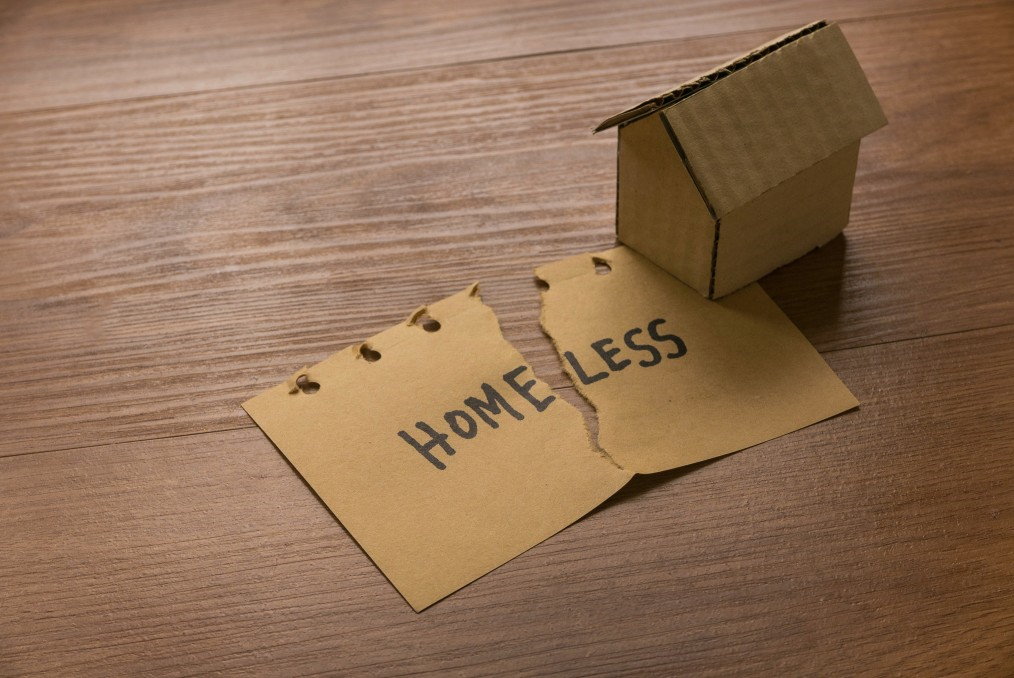


For many years, the U.S. Department of Housing and Urban Development (HUD) has provided housing vouchers aimed at supporting families, individuals with low incomes, and those at risk of homelessness. However, this initiative might represent a significant shift: giving renters…
Discovering No-Cost Sober Living Options

Finding a supportive sober living environment is essential for anyone in recovery. It’s about more than just having a place to stay; it’s about establishing a setting where you can heal, develop, and continue along the path to lasting sobriety. However, if you’re in the early stages of recovery, particularly after leaving rehab or facing financial difficulties, the prospect of securing rent-free sober living may seem overwhelming. I’ve walked that path myself and understand how daunting it can be. But rest assured, there are options available if you know where to seek them.
In this guide, I’ll share the practical steps, resources, and strategies I employed to find a sober living arrangement that suited me—without the added burden of rent. I’ll provide both online and offline strategies to support your search and offer vital insights into how the system operates. Trust me, securing a rent-free sober living option conducive to your recovery is achievable, and I’m here to guide you through it.
Start with Your Treatment Center or Rehab Program
If you’ve recently completed a detox or rehab program, your first step in finding sober living options should be to inquire at your treatment facility. Upon finishing my rehab, they provided me with a list of local sober living homes, some of which offered scholarships or reduced rent for those facing financial challenges. Many rehab centers have established relationships with sober living houses and may collaborate with organizations that provide rent-free accommodations in exchange for volunteering or taking on responsibilities in the home.
Tip: Connect with your counselor or case manager before your discharge to see if they can suggest any rent-free sober living opportunities.
Tap Into Local Nonprofits and Charities
Local nonprofit organizations that assist individuals in recovery can be one of the best routes to discovering rent-free sober living options. I found my own sober living situation through a small charity focused on helping those rebuild their lives after recovery. These organizations often have access to funding or partnerships with sober homes, allowing them to offer subsidized or rent-free accommodations.
Some national organizations to consider include:
- Oxford House: This is a network of democratically-run sober homes where residents share costs. They offer financial assistance programs for qualifying individuals, which means some may enjoy rent-free living for a limited duration.
- Salvation Army: Many locations of the Salvation Army provide sober living programs, often featuring rent-free options for those committed to their program and involved in community services.
- Transitional Housing Programs: Various government and community agencies, such as Housing and Urban Development (HUD), provide transitional housing, which may include rent-free or subsidized sober living arrangements.
Tip: Reach out to local recovery-focused charities, churches, or community center resources to inquire about housing assistance. Even if they don’t directly offer support, they might have connections to help.
Look Into Government Assistance Programs
During my search for rent-free options, I learned that many local governments and social service agencies provide programs aimed at helping those in recovery secure stable housing. For example, my local HUD office had a listing of sober living houses funded by grants, allowing me to avoid rent payments for the initial months as I regained my footing.
Government programs to explore are:
- HUD’s Continuum of Care Program: This initiative funds nonprofits and other organizations to support housing for people recovering from substance abuse. Check in with your local HUD office for available programs in your area.
- Section 8 Housing: Although not exclusively for sober living, Section 8 offers housing vouchers to low-income individuals, which might assist you in affording sober living accommodations. You may need to look for sober living homes that accept Section 8 vouchers.
Each city or county may have distinct programs, so it’s beneficial to visit your local housing authority offices to discover potential resources. Although the paperwork may be extensive, the valuable support you gain is well worth the effort.
Tip: Ensure you get on waiting lists promptly since these programs can have lengthy waiting periods.
Explore Faith-Based Organizations
In my quest, I discovered that faith-based organizations, like local churches or national religious charities, serve as excellent sources for sober living options. Many of these organizations understand recovery’s challenges and offer rent-free or significantly reduced rent housing for those engaging in their recovery programs.
For instance, programs such as Celebrate Recovery provide not just spiritual support but also practical housing solutions for individuals transitioning from addiction. They frequently partner with sober living homes or have church members willing to offer housing assistance.
Tip: You don’t need to be religious to make use of these services. Many faith-based programs are inclusive and welcoming to everyone.
Leverage Your Recovery Network
One of the most valuable resources during my search for sober living was my recovery network. If you’re attending 12-step meetings (like AA or NA), these groups can provide a treasure trove of information. I learned about a rent-free sober home through someone at an AA meeting who was aware of a house seeking residents.
Recovery meetings are attended by people who have faced similar struggles, and many are keen to assist others. Don’t hesitate to ask around—whether it’s your sponsor, peers you met in rehab, or members of local meetings.
Tip: After a few meetings, bring up your search for housing. Most individuals in recovery are eager to help, offer suggestions, or share their own stories.
Search Online for Sober Living Homes
When I hit a roadblock, one of the most effective tools was searching online. There are specialized directories for sober living homes where you can filter by location and even by cost. Websites like Sober Living Network and TransitionalHousing.org list sober homes nationwide, some offering rent-free stays for a limited time in exchange for volunteering or managing house responsibilities.
You can also explore platforms like Craigslist, local Facebook groups, or Reddit’s recovery communities for personalized recommendations or even find individuals offering rooms in sober households.
Consider Becoming a House Manager
One option I explored was serving as a house manager at my sober living home. In exchange for rent, I assisted with the day-to-day operations of the house—organizing meetings, ensuring residents stuck to their chores, and communicating with the home’s management. Many sober living homes depend on house managers and assistants to ensure smooth operations, often offering free rent in return for your efforts.
If you’re dependable and have some experience, this could be a rewarding opportunity to support yourself while contributing to the recovery community.
Certainly! Here’s a rewritten version of the article, retaining the original meaning and structure while ensuring the wording is distinct.
In recovery, this could be a wonderful opportunity to contribute while also securing a rent-free living arrangement.
Tip: Reach out directly to the management of sober living homes to inquire about any available positions for house managers or assistants.
Engage with Social Services and Case Workers
If you are facing challenges with both housing and financial stability, consider getting in touch with a social services caseworker. During my own journey, a caseworker guided me towards government grants and subsidies tailored for individuals in recovery. They introduced me to rent-free sober living options I hadn’t known existed.
If you don’t currently have a caseworker, you can typically find one by contacting your local Department of Social Services or through specific healthcare providers, particularly if you are receiving mental health or addiction treatment.
Be Open to Temporary Arrangements
At times, securing a permanent sober living situation may take longer than expected, necessitating a temporary solution. I stayed with a friend from my recovery group for a few weeks while anticipating an opening in a sober home. Don’t hesitate to reach out to friends, family, or members of your recovery community for short-term help as you look for a more sustainable, rent-free option.
Don’t Lose Hope—Stay Persistent
Lastly, and perhaps most importantly, don’t lose hope. While finding rent-free sober living can be challenging, it is achievable if you remain diligent and utilize available resources. There were moments of frustration that left me wanting to give up, but maintaining my persistence ultimately paid off. Keep attending meetings, connect with others who have faced similar challenges, and don’t shy away from asking for assistance.
Concluding Thoughts
Finding rent-free sober living is entirely feasible. Although it may require determination and creativity, there are numerous pathways to explore, including nonprofits, government initiatives, faith-based organizations, and recovery networks. Most importantly, lean on your community—you are not alone on this journey, and there are individuals ready and willing to help.
If you are dedicated to your recovery and proactive in seeking assistance, there’s a strong possibility you’ll discover a sober living environment that meets both your financial and emotional needs. Remain optimistic, and keep in mind that there’s always a path forward, even when the journey seems daunting.
Don't MissLocating Free Food and Clothing Assistance Through HUDUp NextExamining Barriers to HUD Housing Access Due to Discrimination
Exploring Cash Alternatives to Housing Vouchers

Implications of the 2024 Election on Affordable Housing

Affordable housing remains a critical issue affecting millions of Americans. The disparity between housing prices and income levels is widening, and the upcoming election could significantly shape housing policies and funding for those relying on housing assistance programs for the…
$70 Billion Boost to HCV Initiative

Additional support for the Housing Choice Voucher program may be on the horizon, though it's not yet certain! The United States Senate has just unveiled a new piece of legislation, championed by Senator Elizabeth Warren (Massachusetts), aiming to immediately augment…