



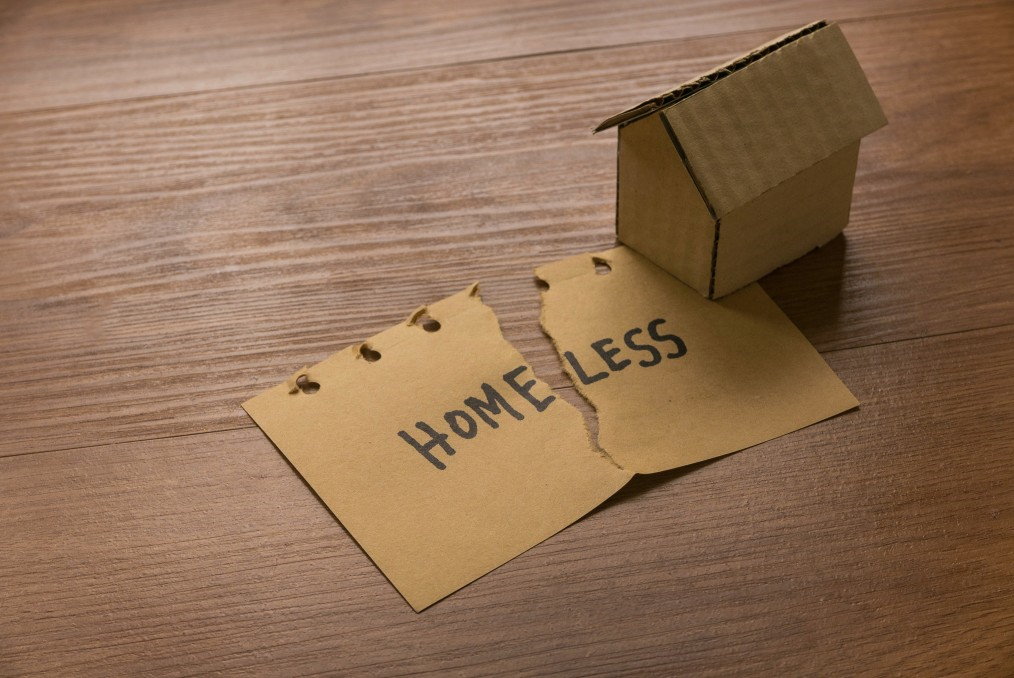


Affordable housing remains a critical issue affecting millions of Americans. The disparity between housing prices and income levels is widening, and the upcoming election could significantly shape housing policies and funding for those relying on housing assistance programs for the…
2025 Housing Income Limits: Check Your Qualifications Now

Exciting developments for those receiving housing assistance or aiming to qualify! The U.S. Department of Housing and Urban Development (HUD) has just rolled out their new income limits for 2025, and the adjustments are noteworthy. With substantial increases in many regions across the country, your eligibility for affordable housing programs could look very different this year!
What Just Happened? HUD’s Major 2025 Update Explained
As of April 1, 2025, HUD officially unveiled their revised income limits that dictate who qualifies for affordable housing programs across the nation. These aren’t minor adjustments – we’re witnessing an average increase of 6.2% throughout the country, with certain areas experiencing rises as high as 9.2%!
These new thresholds influence nearly every significant housing assistance program in the U.S., including:
- Section 8 Housing Choice Vouchers
- Public Housing
- Low-Income Housing Tax Credit (LIHTC) properties
- Section 202 housing for the elderly
- Section 811 housing for persons with disabilities
If you’re currently enrolled in one of these programs or have been waiting to qualify, these updates could have a direct effect on your future housing prospects!
The Numbers That Matter: Income Categories Explained
HUD categorizes income limits into three primary categories that determine eligibility:
1. Extremely Low-Income
- Households earning 30% or less of the Area Median Income (AMI)
- These families qualify for the highest level of assistance
- Consider this the most urgent need category
2. Very Low-Income
- Households earning up to 50% of AMI
- This group is eligible for many assistance programs
- A substantial portion of housing vouchers are aimed at this demographic
3. Low-Income
- Households earning up to 80% of AMI
- These families qualify for moderate assistance programs
- This is often the cutoff for many popular housing programs
A key highlight of this year’s update is the new national median family income: $104,200. This is a considerable jump from previous years, elevating all qualifying income thresholds.
Why Such Big Changes? The Surprising Reason Behind the 2025 Increases
If you’ve been monitoring HUD limits over the years, the extent of this year’s increases may come as a surprise. Housing analysts at Novogradac had anticipated merely a 3% rise – so what accounts for the more than double increment?
The reason lies in a significant methodological shift that HUD quietly instituted:
“Beginning with 2025, HUD will discontinue the use of the Consumer Price Index (CPI) to trend income limits and begin using the change in the per capita wage and salary.”
This technical change carries significant real-world consequences. For example, in Milwaukee, the new method led to an 8.42% increase in income limits, contrasting with only a 5% rise under the previous system. That’s thousands of dollars of difference in qualifying income!
The Cap Factor: Why Some Areas Got Exactly 9.2% Increases
HUD enforces a cap on the rate at which income limits can rise each year. For 2025, this ceiling was established at 9.2% (based on a 4.6% rise in national median income from 2022 to 2023).
This cap had significant implications:
- 27% of areas nationwide hit this 9.2% ceiling
- Absent the cap, some regions could have seen increases of 14% or more
- Many major metropolitan areas fall within this capped group
Does Your Area Have Higher Limits? The State-by-State Breakdown
While the national average increase stood at 6.2%, the adjustments vary widely based on your location:
- 41% of areas experienced increases exceeding 8%
- 71% of areas witnessed increases greater than 5%
- Only 5% of areas actually observed decreases
If you’re situated in a high-cost region that has been enjoying wage growth, your local limits likely increased significantly. This is particularly true in tech hubs and places with tight housing markets.
For tailored information about the new limits in your region, check the official HUD website.
What These Changes Mean For You: Winners and Losers
Potential Winners
- “On the Bubble” Households: If your income was slightly above the prior limits, you may now qualify for assistance
- Current Program Participants: If your income has recently risen, these increased limits may help you retain eligibility
- Landlords in LIHTC Properties: Higher income limits generally mean a larger pool of potential tenants
- Housing Voucher Recipients: In certain areas, voucher amounts could adjust to align with higher market rents
Potential Challenges
- Waitlist Applicants: Taller limits could lead to increased competition for limited housing resources
- Areas with Decreased Limits: The 5% of regions that experienced declines could see households losing eligibility
- Program Administrators: Significant changes in limits necessitate system updates and resident recertifications
Beyond Federal Programs: How These Limits Affect Other Housing Options
The ramifications of these new income limits extend beyond federal housing programs. Numerous state and local housing initiatives also utilize HUD’s income limits as their benchmark.
For instance, those searching for alternatives to Section 8 may find that many state housing trust funds and local inclusionary zoning programs directly tie their eligibility to these HUD criteria.
Even certain private housing options like rent-free sober living facilities often rely on these income guidelines when determining sliding-scale fees or scholarship offerings.
Connecticut’s Massive Shakeup: 42 New Areas!
Connecticut residents are facing a particularly intricate scenario with this update as HUD completely overhauled how areas in the state are defined, establishing 42 newly designated zones.
This reshaping signifies:
- Some towns that were previously grouped together now possess their own distinct income limits
- Households in similar scenarios may face different eligibility based on their town of residence
- The changes fluctuate significantly from town to town (10 areas increased by over 9%, while 17 areas decreased by varying percentages)
- by 5%)
- One-time payments, such as stimulus checks, usually do not count towards your annual income for housing criteria.
- Ongoing benefits like unemployment or Social Security are factored into your qualifying income.
- Temporary emergency assistance generally does not affect long-term housing eligibility.
- Data Source Change: HUD now utilizes per capita wage and salary data instead of the Consumer Price Index.
- Inflation Factor Change: The new inflation factor has been adjusted to 1.0804 from the previous 1.04617.
- Area Definition Updates: HUD incorporated new metropolitan statistical area definitions as specified in OMB Bulletin No. 23-01.
- Check Your Area’s Specific Limits: Navigate to the HUD User website to determine the exact limits applicable to your location.
- Recalculate Your Eligibility: Assess your current household income and family size to see if you now meet the qualifications.
- Contact Local Housing Authorities: If you find yourself newly eligible, connect with your local housing authority for guidance on application procedures.
- Update Current Applications: Ensure any pending applications reflect these new limits.
- Consider Housing Alternatives: If eligibility remains an issue, explore additional options such as state-specific housing programs.
If you’re residing in Connecticut, it’s essential to verify the new specific limits for your particular town—don’t just assume they align with nearby areas!
What About Stimulus Money and Housing Benefits?
Many households are curious about how the new income limits intersect with other financial assistance programs. If you’ve received the $5,000 stimulus payment or other government benefits, it’s crucial to understand how they influence your housing eligibility.
In general:
The Technical Details: For Those Who Want To Know More
Housing policy experts may be intrigued by the methodological shifts behind these significant increases:
These technical modifications have led to notably higher income limits than would have been established under the earlier methodology, significantly impacting millions of households across the country.
What To Do Next: Immediate Steps to Take
With these substantial updates now in effect, here are the essential actions to consider:
The sooner you take action, the better prepared you’ll be to take advantage of these changes!
Conclusion: A Year of Opportunity in Affordable Housing
The 2025 HUD income limit increases present a valuable opportunity for many families grappling with housing expenses. With the national median family income now set at $104,200 and an average increase of 6.2% across the nation, a greater number of families may now qualify for assistance.
However, these changes also introduce complexity. The updated methodology, area redefinitions, and varied increases make eligibility increasingly location-specific.
For those looking for affordable housing solutions, it is vital to stay informed about these changes and comprehend how they impact your individual situation. Whether you are currently receiving assistance or aiming to qualify, these new limits could significantly affect your housing prospects.
Remember to check the official HUD website for the most precise and timely information regarding income limits in your area. Your journey toward affordable housing in 2025 begins with a clear understanding of these important updates!
Don't MissPrepare for Potential 44% Reduction in Rent Assistance and How to Navigate ItUp NextAlternative Housing Solutions by State for Those in Need
Implications of the 2024 Election on Affordable Housing

$70 Billion Boost to HCV Initiative

Additional support for the Housing Choice Voucher program may be on the horizon, though it's not yet certain! The United States Senate has just unveiled a new piece of legislation, championed by Senator Elizabeth Warren (Massachusetts), aiming to immediately augment…
Join Us in Expanding Affordable Housing Opportunities

Your Affordable Housing Heroes have consistently aimed to foster a positive impact in our nation, offering valuable resources to assist those in need to navigate government initiatives and secure the housing they rightfully deserve. Now, we have a unique chance…