
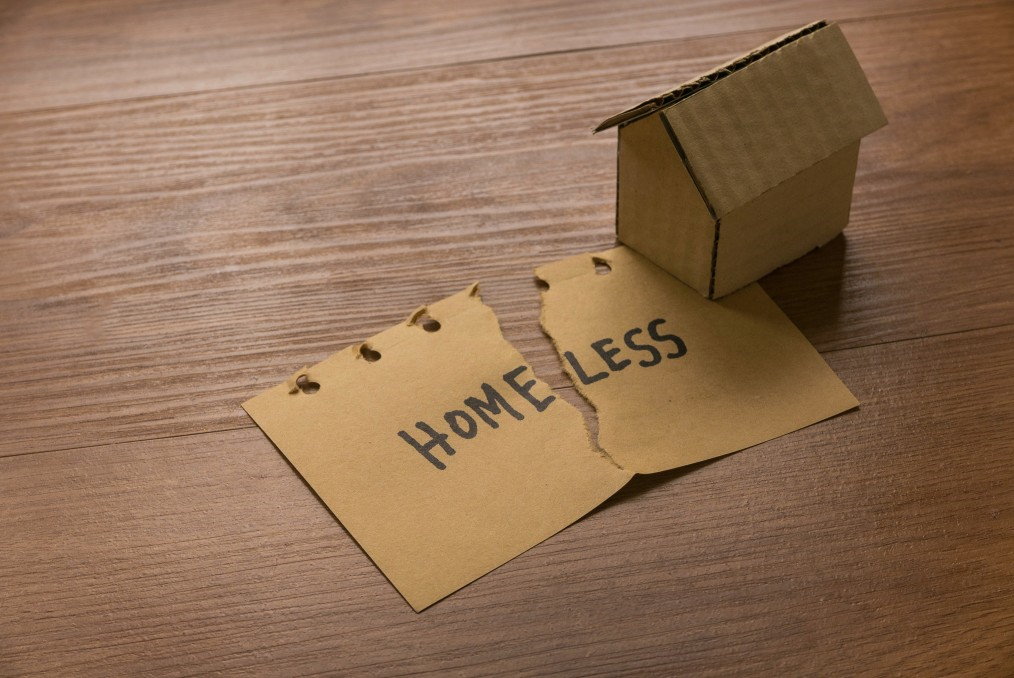

The recent initiative launched by HUD, the United States Department of Housing and Urban Development, aims to address the escalating issue of homelessness by equipping at-risk individuals with the necessary resources to prevent them from ending up on the streets.…
Unlocking Affordable Housing Through Community Development Block Grants

If you’re having difficulty securing affordable housing, you’re certainly not in this alone. Millions of Americans confront this issue continually. While initiatives such as Section 8 garner much of the focus, there exists another significant resource that may already be at work in your community: Community Development Block Grants, abbreviated as CDBG.
Envision CDBG as a versatile tool for affordable housing. It has been operating discreetly since 1974, assisting communities in building, restoring, and maintaining affordable housing options. Unlike other, more rigid programs, CDBG provides local governments the leeway to tackle their unique housing challenges.
What Exactly is CDBG?
The Community Development Block Grant program is administered by the U.S. Department of Housing and Urban Development (HUD). Each year, HUD allocates federal funds directly to municipalities and counties according to their specific needs, taking into account factors such as poverty rates, the age of housing stock, and neighborhood overcrowding.
The program aims to achieve three fundamental objectives:
- Foster decent, affordable housing
- Enhance living environments
- Broaden economic opportunities for low- and moderate-income households
A vital stipulation is that at least 70% of CDBG funds must be directed towards benefiting individuals with low or moderate incomes. This principle is not mere advice; it is mandated by law.
How CDBG Helps with Affordable Housing
CDBG functions differently from typical housing programs. Rather than solely distributing rental vouchers or constructing new apartments, it emphasizes smart, adaptable solutions:
Fixing Up Existing Homes
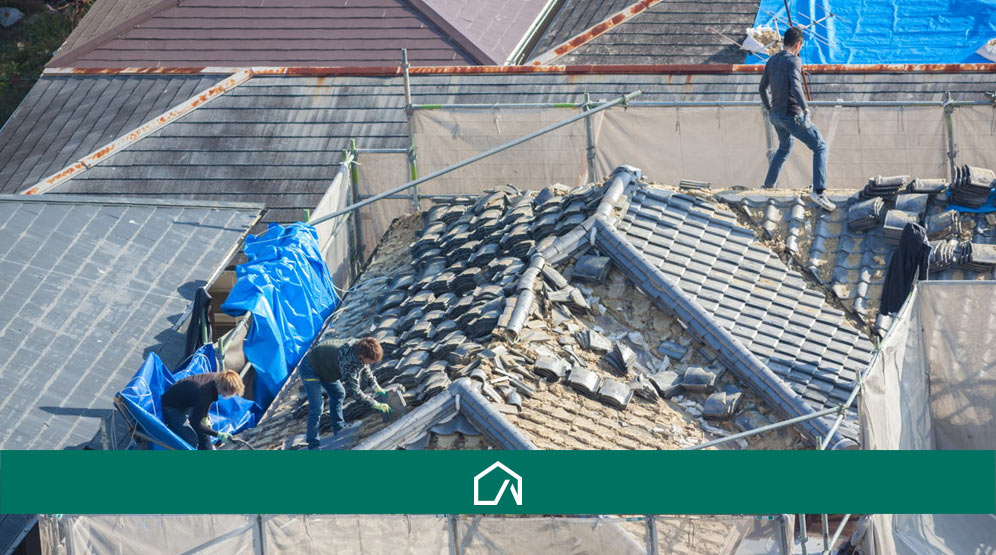
The majority of CDBG housing funds are used for the rehabilitation of existing homes. Areas of focus include:
- Repairing roofs, plumbing, and electrical systems
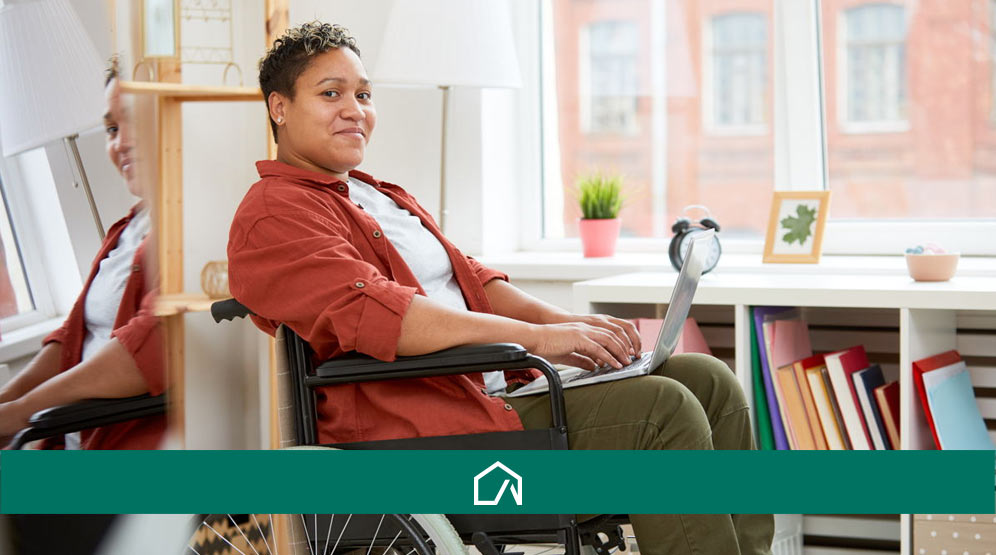
- Improving accessibility for seniors and individuals with disabilities
- Eliminating hazardous lead paint
- Installing insulation and energy-efficient windows to lower utility expenses
This strategy is sensible, as it is often less expensive to renovate a house than to build a new one. Additionally, it helps sustain affordable housing that might otherwise disappear.
Converting Buildings into Homes
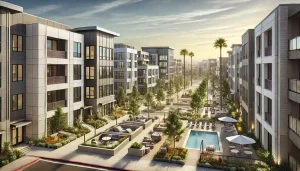
CDBG can also facilitate the transformation of vacant structures into affordable housing. Old hotels, offices, or warehouses can be converted into apartment complexes or condominiums. This is particularly advantageous in costly urban areas where land is scarce.
Limited New Construction
While CDBG rarely funds new construction projects, exceptions exist. Community development organizations meeting set criteria can access CDBG funds to create new affordable homes, but it must be part of a comprehensive neighborhood improvement initiative.
Real Examples of CDBG in Action
Let’s explore how real communities have leveraged CDBG to address their housing difficulties:
San Francisco has utilized CDBG funds to construct affordable rental units in one of the nation’s priciest housing markets. Each unit developed aids working families in continuing to reside in the city.
Detroit has employed CDBG for housing rehabilitation and neighborhood rejuvenation. By enhancing homes and upgrading infrastructure simultaneously, they are revitalizing entire communities.
Cleveland recently deployed CDBG funds for an innovative project that merges a new library branch with 51 affordable housing units for seniors. This demonstrates the creativity that communities can exhibit with CDBG funding.
Hotel Isabel in San Francisco stands as an exemplary case of adaptive reuse. CDBG support assisted in repurposing this historic hotel into 49 affordable units, successfully balancing historical preservation with affordability.
How Does Your Community Get CDBG Funds?
CDBG funds are distributed through two primary channels:
Entitlement Grants
Municipalities with over 50,000 residents and counties with over 200,000 receive funds directly from HUD. The funding amount is based on local conditions, such as poverty levels and housing costs.
State Grants
Smaller towns and rural areas obtain CDBG funding via their state government’s “Small Cities” initiative. States allocate this money according to local applications and demands.
Every community receiving CDBG funds must formulate an Annual Action Plan by May of each year. This plan identifies how the funds will be utilized, allowing residents the opportunity to provide feedback. Communities are also required to develop a five-year Consolidated Plan and submit annual reports detailing their achievements.
Recent Local Success Stories
Laredo, Texas allocated over $5 million in federal funding, including CDBG resources, for housing rehabilitation, rental assistance, and services addressing homelessness. This exemplifies how CDBG can complement other programs for greater impact.
Midland, Texas is assessing $1.22 million in CDBG funding for housing, infrastructure, and services as part of their 2025-2030 strategy. This proactive approach ensures sustained advancement.
These instances illustrate that CDBG isn’t solely beneficial in larger cities; smaller communities can also achieve significant improvements.
How CDBG Fits with Other Housing Programs
CDBG functions optimally when integrated with other housing initiatives. If you’re considering your options, you might also want to explore state-specific housing programs since waitlists for Section 8 can be extraordinarily lengthy.
Income restrictions play a critical role in determining eligibility for CDBG-funded housing. The new 2025 housing income guidelines will outline who qualifies for these programs. Typically, individuals must earn less than 80% of their area’s median income to be eligible for most CDBG-funded housing.
For seniors, Social Security payments often constitute the primary income source for assessing eligibility. Given that Social Security benefits are generally modest, a significant number of seniors qualify for assistance through CDBG-funded housing options.
If navigating these varied programs feels overwhelming, the interactive affordable housing guide can assist you in exploring your alternatives and identifying programs suited to your circumstances.
Best Practices: Making CDBG Work
Communities that effectively leverage CDBG adhere to several essential strategies:
Assess Local Needs: They begin by engaging with residents to understand the most pressing housing needs. Some areas may require extensive rehabilitation, while others may require conversions or emergency repairs.
Coordinate with Other Programs: Forward-thinking communities utilize CDBG alongside HOME funds, Low-Income Housing Tax Credits, Section 8, and Emergency Solutions Grants. This synergy helps close financing gaps and aid more individuals.
Partner with Local Organizations: Collaborating with community development corporations, nonprofits, and neighborhood coalitions extends the reach of CDBG funds and guarantees that projects align with genuine community needs.
Track and Report Results: CDBG mandates meticulous reporting on results, including the number of housing units created or improved and the number of households served.
Focus on Preservation: Especially in regions experiencing rapid housing cost increases, employing CDBG to maintain existing affordable housing can be a more economically viable option than constructing new units.
Challenges and Limitations
Like any program, CDBG has its constraints:
Flexibility Can…
Be a Double-Edged Sword
: The versatility of the Community Development Block Grant (CDBG) program means that funding can sometimes be stretched too thin, leading communities to miss the opportunity to concentrate on housing solutions.
New Construction Restrictions: CDBG imposes stringent guidelines on the construction of new housing. This presents challenges in cultivating new affordable housing opportunities.
Funding Hasn’t Kept Up with Inflation: Over the years, the funding allocated to CDBG has not seen significant increases, despite the considerable rise in housing costs.
What This Means for You
If you’re in search of affordable housing, CDBG may be making a positive impact in your community, even if you’re not fully aware of its presence. The program primarily functions behind the scenes, financing initiatives aimed at preserving and enhancing affordable housing options.
To discover whether CDBG is operational in your locality, reach out to your city or county government and inquire about their Annual Action Plan or Consolidated Plan. These publicly accessible documents will outline planned or ongoing housing projects.
CDBG accounts for one component of the broader affordable housing landscape. While it alone may not resolve the housing crisis, it serves as an essential resource that empowers communities to tackle their unique challenges with adaptability and local oversight.
The success of CDBG hinges on community engagement. When residents actively participate in the planning process and local authorities collaborate with partners, CDBG can significantly contribute to the creation and maintenance of affordable housing for those who need it most.
Whether it entails renovating an older residence, repurposing an unused building, or backing a creative new initiative, CDBG remains a vital yet understated force in fostering affordable housing across communities in the United States.
Don't MissEligibility Criteria for Section 8 Housing AssistanceUp NextChampions of Affordable Housing Trust Fund Solutions
Overcoming Homelessness: Strategies for Success

How to Preserve Your Section 8 Status Amid Recent Losses for 17000 Families
Maria Santos had been on the waiting list for nine years. Nine years on Houston’s Housing Choice Voucher list, checking her mailbox daily, hoping for positive news. Then it finally came in May 2025: a letter stating she had 60…
Understanding Home Equity and Its Functionality
Owning a home offers the distinct advantage of building equity over time. This accumulated equity can be leveraged for substantial kitchen renovations, home improvements, paying off high-interest credit card debt, or even funding your children's college expenses. Furthermore, you can…