



The Uncertain Future of Social Benefits As Donald Trump advocates for a return to the White House, Americans may encounter shifts in their social benefits. Programs such as SNAP, welfare assistance, and child tax credits could undergo modifications. A potential…
Champions of Sustainable Affordable Housing
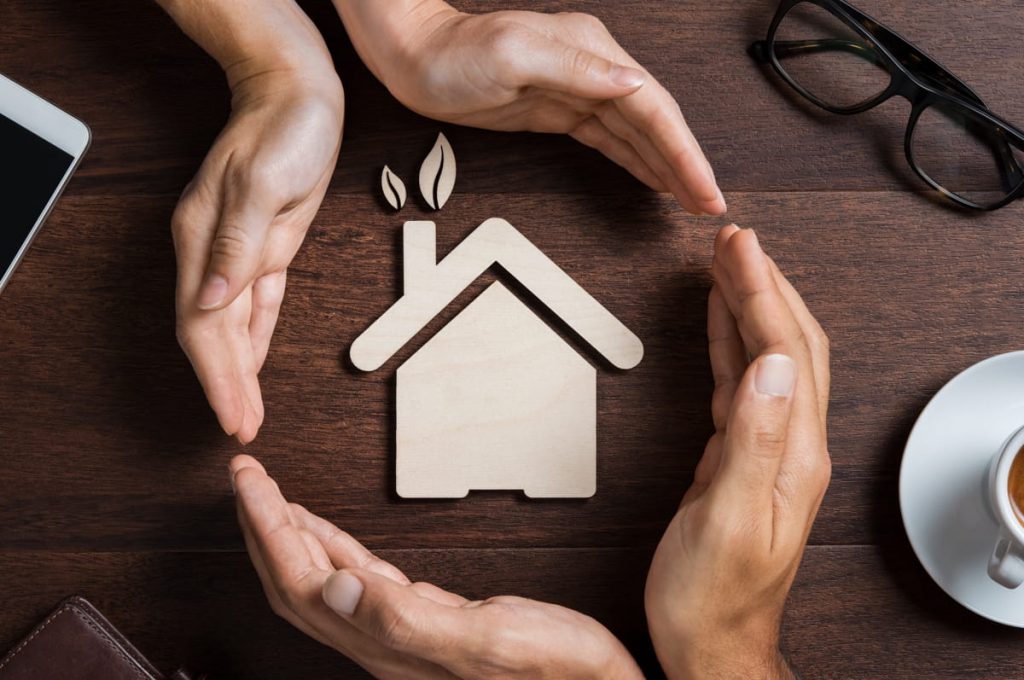
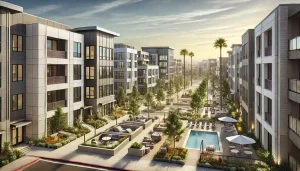
The severe shortage of affordable housing is particularly affecting many low-income families across the nation.
The challenge is that this situation perpetuates a cycle, exacerbated by inadequately designed and poorly insulated homes equipped with outdated plumbing systems.
It has been widely recognized that one’s living environment influences health and well-being. This highlights the need for comfortable, healthy, and affordable housing, which is increasingly becoming unattainable for average citizens.
Among the hardest hit are low-income renters, who find their earnings lagging behind the relentless surge in housing prices.
Reports indicate that more than half of low-income renters in the United States allocate a significant portion of their income to rent.
Yet, rent isn’t the sole financial burden these individuals face; they also contend with elevated energy bills. Between rent and energy costs, these low-income residents often struggle just to cover their bills and essential needs.
The current scenario underscores the urgency for developers to prioritize the construction of affordable housing designed to minimize energy expenses.
A notable approach to enhance housing affordability, comfort, and energy efficiency is sustainability. By incorporating sustainable features, there is substantial potential to address both housing and climate challenges.
Sustainability Creates Affordable Homes
Affordable housing yields multiple advantages. It can strengthen communities, create job opportunities, and reduce carbon emissions.
However, to render homes affordable, they must be constructed with sustainable elements. Sustainable residences are characterized by their energy efficiency and high performance. This makes them less energy-intensive, leading to reduced expenditures.
Many doubt the compatibility of affordability and sustainability. Yet homeowners in sustainable properties genuinely face lower utility and operational expenses.
This enables them to allocate a greater portion of their income to other essential expenses. Additionally, the savings accrued can be invested back into enhancing the homes’ durability and longevity.
The advantages of a sustainable home are long-lasting, supported by comprehensive evidence. It’s true that the initial construction costs can be higher.
Building sustainable homes often involves utilizing superior equipment and materials, as well as professional architects and engineers, which contributes to the elevated costs.
Nevertheless, the long-term cost savings of green homes are well worth the investment. Sustainable houses require less energy, thereby facilitating better expense management.
Moreover, when constructed by skilled professionals, a high-performance home can incur lower ongoing costs. This reduction in utilities and repetitive expenses can significantly aid low-income households in affording rent.
Affordable living spaces represent the most significant advantage of sustainable housing. Green homes not only contribute to lowering construction costs but also promote environmental protection.
The focus on sustainability in design and construction transcends mere energy cost reductions. By minimizing electricity usage, emissions and carbon footprints are also diminished.
In addition to lowering energy consumption, green housing also conserves water. This can significantly reduce energy costs and be particularly beneficial in drought-stricken areas.
As climate change continues to escalate, energy efficiency and water conservation will be crucial in a future where resources may be limited.
Sustainable Homes Foster Affordable and Clean Energy
Given the established link between sustainability and affordability, a key advantage of sustainable design is access to clean energy. Green homes are built to harness renewable energy sources like solar power, which often cost less than fossil fuels.
Solar energy is significantly more economical than kerosene or diesel. Aside from the initial investment in the solar system and installation, it remains clean and virtually cost-free thereafter.
Additionally, sustainable homes benefit from zero carbon emissions when utilizing renewable energy sources. With a sustainable design, residents can enjoy low-cost housing while contributing to environmental conservation.
Sustainable Houses Enhance Comfort and Health
The perks of sustainable homes extend to comfort and health. For many, buildings are just lifeless structures.
However, a building itself can address some of the world’s most urgent issues. One of these is promoting health and well-being, allowing individuals of all ages to lead healthier lives.
There is substantial evidence indicating that building design significantly influences health. For instance, poor indoor air quality can lead to lung and respiratory conditions.
This is where sustainability plays a crucial role, enhancing ventilation, lighting, and the surrounding environment, ultimately benefiting residents’ well-being.
Sustainability can establish structures that not only allow low-income renters to save money and manage their finances better. It also contributes to improvements in overall quality of life.
More importantly, constructing a sustainable home can result in a happier, healthier, and more productive existence, thanks to the superior design and energy efficiencies of these homes.
Sustainable Design Will Ultimately Become Cost-Effective
A primary concern for many regarding the implementation of sustainability in home construction is the initial investment. Here’s the situation—construction costs for green structures are continually changing.
This isn’t the case with energy-efficient properties as various factors impact pricing. Two such elements involve the materials used and the expertise of contractors.
Unlike conventional buildings, there is a scarcity of high-performance building materials used in sustainable design. Additionally, competition for these products is limited.
These factors often inflate the prices of the available options. Hence, building a sustainable home usually incurs higher costs.
Another cost-influencing factor is the premium rates charged by contractors. Sustainable design requires specialized skills that few possess. This leads many contractors to struggle with accurately estimating costs.
Consequently, they must factor in their own efforts to carry out work outside their proficiency.
Ultimately, the only way to bring down the costs associated with building sustainable homes is through increased production. As awareness grows around the benefits of green buildings, their construction is on the rise.
As a result, the more sustainable homes are built, the more accessible they will become.
There’s a rising demand for sustainable products, creating a competitive landscape for contractors to expand their expertise.
Ways to Build Sustainably
The notion of sustainability has evolved significantly since its inception. In the past, design oversights often overlooked the essential needs of homeowners.
Homeowners can enjoy a better quality of life when situated in environments that offer convenient transportation and a variety of commercial options.
As a result, contemporary affordable housing designs now prioritize energy efficiency and health-conscious environments.
When constructing an affordable home that effectively minimizes living and operational expenses, its location plays a crucial role. Ideally, it should be in proximity to schools, shopping centers, public transit, and more.
To maximize the advantages of a sustainable home, consider building it within a town or city that already has established infrastructure. Additionally, including outdoor spaces and implementing passive design principles can further reduce energy consumption naturally.
Sustainable construction can also be achieved by utilizing durable hardware, fixtures, and equipment. Utilizing resilient paints and finishes is equally important. Furthermore, it’s wise to select products that are easy to repair. Incorporating Energy Star and LEED checklists can contribute to a significant reduction in energy usage.
All the strategies mentioned above, particularly the use of long-lasting materials, aid in meeting environmental goals. They offer the benefits of a sustainable home while ensuring that maintenance is manageable. When effectively combined, these elements can turn the vision of a vibrant and cohesive community into a tangible reality.
The Rise of Sustainability
Today, the movement toward sustainable housing has gained national traction, and rightly so. The integration of sustainability into home construction aligns with several objectives set by various U.S. governments.
It is evidently one of the solutions available to address the growing housing crisis.
This approach enables more individuals facing high rent to secure housing without compromising their other necessities. Naturally, sustainable homes lead to cleaner energy, resulting in reduced energy bills and decreased operational costs.
Moreover, improved designs enhance ventilation, contributing to healthier, happier, and more comfortable living conditions for those in sustainable homes.
Additional indirect benefits from sustainability encompass increased job opportunities, economic growth, robust infrastructure, innovation, and the development of inclusive, resilient, and secure cities.
Most importantly, sustainable or affordable housing is advantageous for more than just low-income residents. It serves anyone looking to lower their energy expenses while making a positive impact on the environment.
Various demographics can reap the benefits of sustainability. Thus, it would be wise for nations around the globe to intensify efforts in creating green buildings.
Indeed, a future filled with homes and communities that sustain themselves while enhancing the environment promises a more beautiful and joyful existence for generations to come.
Sources:
https://www.multihousingnews.com/why-sustainability-is-pivotal-to-affordable-housing/
Sustainability and Energy Efficiency – Key to Affordable Housing | EcoMENA
The Case for Sustainability in Affordable Housing – SCHFH (schabitat.org)
Don't MissWill 2023 Solve the Housing Supply Crisis?Up NextThe Reasons Behind Millennials' Reluctance to Purchase Homes
Potential Consequences of Trump’s 2024 Election on Social Benefits

Understanding the Rising Costs of Housing in the Affordable Housing Crisis

It’s widely accepted that access to housing is a fundamental human right, yet securing affordable housing is increasingly challenging for many, especially in the United States. Affordable housing is classified as such when it costs 30% or less of a…
Will 2023 Solve the Housing Supply Crisis?
It's widely recognized that there is a shortage of housing supply in various regions across the United States. This situation has been deteriorating for several years and shows little sign of improvement. Even with skyrocketing demand, the supply simply isn’t…